
Can Knock Knees Be Corrected?
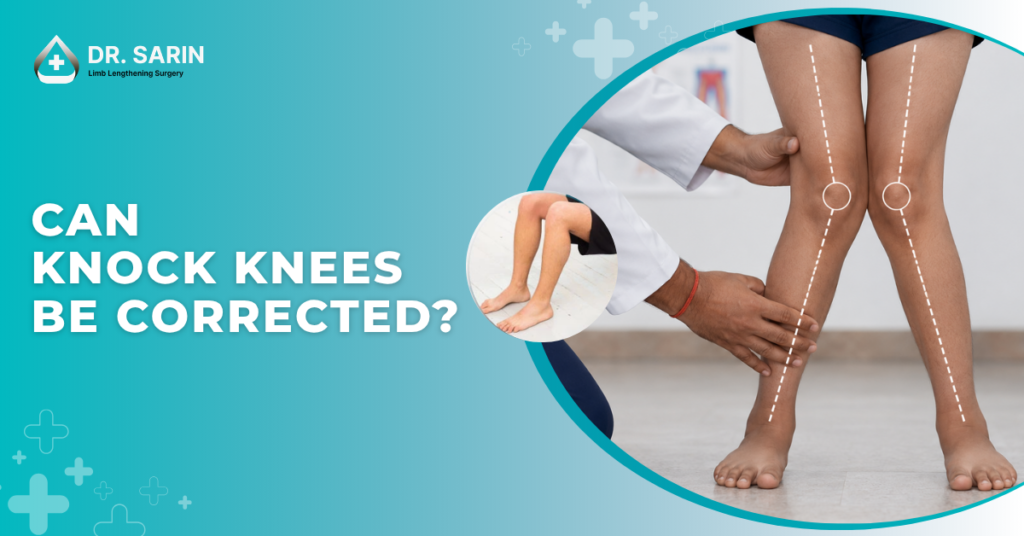
Many people who notice their knees turning inward often ask the same question: Can knock knees be corrected? Whether the condition has been present since childhood or has become more noticeable over time, it is natural to wonder if the alignment of the legs can be improved. The simple answer is yes, knock knees can often be corrected. However, the approach depends on several factors, including a person’s age, the severity of the alignment, and the underlying reason for the condition. Because every case is different, understanding how knock knees develop and how correction is possible can help individuals make informed decisions about their orthopedic health. Understanding Knock Knees Knock knees, medically known as genu valgum, is a condition in which the knees angle inward while the ankles remain apart when standing. The inward positioning of the knees changes the alignment of the lower limbs and creates the characteristic appearance associated with the condition. The degree of knock knees can vary significantly. Some individuals have a mild alignment difference that causes little concern, while others may have a more noticeable change in the positioning of their legs. Because the condition exists on a spectrum, the possibility of correction can also vary from one person to another. Can Knock Knees Correct Themselves? In some situations, knock knees may improve without specific intervention. This is particularly true during certain stages of childhood growth and development. As children grow, their leg alignment naturally changes. In many cases, the knees gradually move toward a more balanced alignment as skeletal development continues. This is why mild knock knees seen during normal childhood growth may improve over time. However, not all cases resolve on their own. When knock knees persist beyond the expected stages of development or become more pronounced, further evaluation may be beneficial. Can Knock Knees Be Corrected in Adults? A common misconception is that knock knees can only be corrected during childhood. In reality, adults can also seek correction for genu valgum. Unlike children, adults have completed their skeletal growth. This means the bones no longer change naturally through growth and development. However, the alignment of the legs can still be addressed through appropriate orthopedic management when necessary. The extent of correction depends on the individual’s alignment, overall bone structure, and specific circumstances. Many adults seek professional advice after noticing that the appearance of their legs has remained unchanged for years or has become more noticeable over time. Can Mild Knock Knees Be Improved? Mild knock knees may require a different approach than more significant alignment changes. In some individuals, the condition is largely cosmetic and causes little functional concern. Others may notice only a slight inward angle when standing. The degree of improvement that can be achieved often depends on the severity of the alignment difference. Because every person’s anatomy is unique, there is no single answer that applies to everyone. This is one reason why individualized assessment is important when discussing whether knock knees can be corrected. Can Severe Knock Knees Be Corrected? People with more noticeable genu valgum often wonder whether significant alignment changes can be improved. The answer is generally yes, although the correction process may differ depending on the extent of the deformity. Modern orthopedic techniques have made it possible to address a wide range of lower limb alignment conditions. The specific strategy used depends on factors such as age, bone structure, and the degree of angular deformity. Even when knock knees are severe, understanding the available options can help individuals better evaluate their situation and determine the most appropriate path forward. Can Knock Knees Be Fixed Permanently? Another frequently asked question is whether knock knees can be fixed permanently. The answer depends on the underlying cause of the condition and the method used to address it. In cases where the alignment of the bones is corrected, the improvement is typically intended to provide long-term alignment changes. However, every individual is different. Long-term outcomes can be influenced by factors such as bone health, joint condition, overall body mechanics, and lifestyle considerations. This is why personalized evaluation remains an important part of understanding what level of correction may be possible. Can Knock Knees Be Reversed Naturally? Many people search online for natural ways to reverse knock knees. While maintaining good overall health, strength, and mobility is important, the possibility of naturally changing bone alignment depends on several factors. In growing children, natural developmental changes may influence alignment over time. In adults, however, the bones have already matured, which limits the body’s ability to naturally alter skeletal alignment. Because the causes and severity of knock knees vary widely, there is no universal natural solution that works for everyone. Understanding the specific nature of the condition is essential before considering any approach. Why Professional Evaluation Matters The question “Can knock knees be corrected?” cannot always be answered with a simple yes or no. The most accurate answer depends on the individual’s age, alignment pattern, medical history, and overall orthopedic condition. A professional evaluation helps determine the degree of genu valgum and whether the alignment falls within expected limits or requires further attention. It also provides a clearer understanding of what type of correction may be possible and what outcomes can realistically be expected. Because no two cases are identical, personalized assessment plays a key role in understanding available options. Expert Insight from Dr. Amar Sarin The possibility of correcting knock knees depends on several factors, including the severity of the deformity and the individual’s stage of skeletal development. According to Dr. Amar Sarin, an orthopedic surgeon with extensive experience in Knock Knees Correction Surgery, many cases of genu valgum can be evaluated and managed based on the patient’s specific alignment and orthopedic needs. A detailed assessment helps determine the nature of the condition and provides valuable insight into the options that may be available for improving lower limb alignment. Conclusion: Can Knock Knees Be Corrected? So, can knock knees be corrected? In many cases, yes. The potential for correction depends
What Causes Knock Knees?
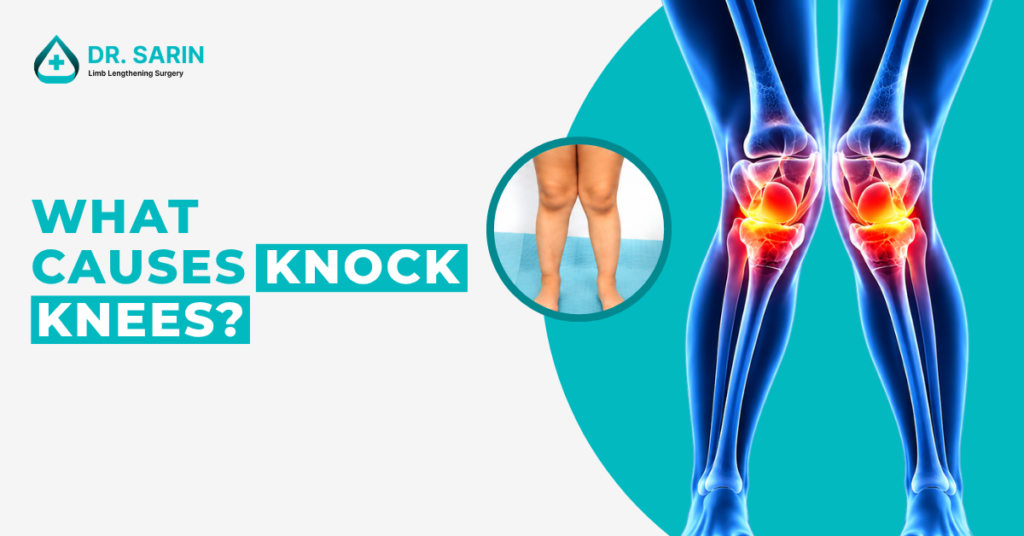
What Causes Knock Knees?: Knock knees, medically known as genu valgum, is a condition in which the knees angle inward while the ankles remain apart when standing. While many people are familiar with the appearance of knock knees, fewer understand why this alignment develops in the first place. The causes of knock knees can vary depending on a person’s age, overall health, and bone development. In some cases, knock knees are a normal part of growth, while in others they may be associated with underlying conditions that affect bone alignment. Understanding the possible causes of knock knees can help individuals better understand the condition and its development. Normal Growth and Development One of the most common causes of knock knees is normal childhood growth and development. As children grow, their leg alignment naturally changes through different stages. Many young children experience a period during which their knees angle inward. This is often considered a normal part of skeletal development. As growth continues, the alignment of the legs usually changes and becomes more balanced over time. Because leg alignment evolves throughout childhood, the appearance of knock knees at certain ages does not always indicate a problem. Growth-related genu valgum is often a natural developmental phase. Genetic Factors Genetics can also play a role in the development of knock knees. Just as height, body structure, and facial features can be inherited, certain characteristics of bone alignment may run in families. Some individuals may naturally have a greater tendency toward inward knee alignment due to inherited skeletal traits. In these cases, the overall shape and positioning of the lower limbs may be influenced by genetic factors that affect bone growth and alignment. A family history of lower limb alignment variations may sometimes be observed in people with knock knees. Nutritional Deficiencies Healthy bone development depends on proper nutrition. Nutrients such as vitamin D and calcium play important roles in maintaining strong bones and supporting normal skeletal growth. When the body does not receive sufficient nutrients during critical growth periods, bone development may be affected. This can influence the way bones grow and align, potentially contributing to changes in leg positioning. Conditions associated with nutritional deficiencies have historically been linked to abnormalities in bone structure and lower limb alignment, including genu valgum. Bone and Growth Disorders Certain bone and growth-related disorders can affect the way the lower limbs develop. These conditions may influence the growth plates, bone structure, or overall skeletal alignment. When normal bone growth is disrupted, the legs may gradually develop an inward angulation at the knees. Depending on the underlying condition, the degree of alignment change can vary significantly. Various developmental disorders that affect the skeleton may be associated with knock knees as one of their physical characteristics. Injuries Affecting Bone Growth In some cases, knock knees may develop following injuries that affect the bones around the knee or growth plates. Growth plates are areas of developing tissue located near the ends of children’s bones. These structures play a crucial role in determining how bones grow. If a growth plate is damaged, the affected bone may not develop in the usual way. Changes in bone growth following an injury can sometimes alter leg alignment, leading to differences in the positioning of the knees and lower limbs. Obesity and Increased Pressure on the Legs Excess body weight may influence lower limb alignment, particularly during childhood. The legs support the body’s weight during standing, walking, and other daily activities. When additional pressure is placed on developing bones and joints, it may affect the way the lower limbs align over time. Researchers have observed an association between obesity and an increased likelihood of genu valgum in some individuals. While body weight alone does not necessarily cause knock knees, it may contribute to alignment changes in certain situations. Joint and Bone Conditions in Adults Although knock knees are often associated with childhood development, they can also occur in adults. In some cases, changes within the joints or bones may gradually alter leg alignment over time. Conditions that affect joint structure, bone quality, or lower limb stability may contribute to the development of genu valgum in adulthood. These changes can occur slowly and may become more noticeable as alignment shifts over the years. Adult-onset knock knees are often linked to factors that influence the health and structure of the knee joint and surrounding bones. Can More Than One Factor Cause Knock Knees? Yes. In many cases, knock knees may not result from a single cause. Multiple factors can influence leg alignment at the same time. For example, genetics may affect the basic structure of the lower limbs, while growth patterns, nutrition, and overall health contribute to how the bones develop over time. Similarly, a person may have a natural tendency toward genu valgum that becomes more noticeable due to other contributing factors. Because every individual is different, the underlying causes of knock knees can vary from person to person. Why Understanding the Cause of Knock Knees Matters? Understanding the cause of knock knees is important because it provides insight into how the condition develops. The reasons behind genu valgum can differ significantly depending on age, medical history, growth patterns, and overall skeletal health. Recognizing that knock knees may result from developmental, genetic, nutritional, or structural factors helps individuals better understand the condition and its potential origins. This knowledge can also be valuable when discussing concerns about leg alignment with a healthcare professional. Expert Perspective on Knock Knees Knock knees can develop for a variety of reasons, and identifying the underlying cause is often an important part of understanding the condition. According to Dr. Amar Sarin, an experienced orthopedic surgeon specializing in knock knees correction surgery, genu valgum may be associated with normal growth patterns, inherited skeletal traits, nutritional factors, injuries, or other conditions that affect bone alignment. Because every patient is unique, understanding the factors contributing to knock knees can help provide greater clarity regarding lower limb alignment and overall orthopedic health. Conclusion: What Causes
What is Knock Knees? Causes, Signs & Leg Alignment
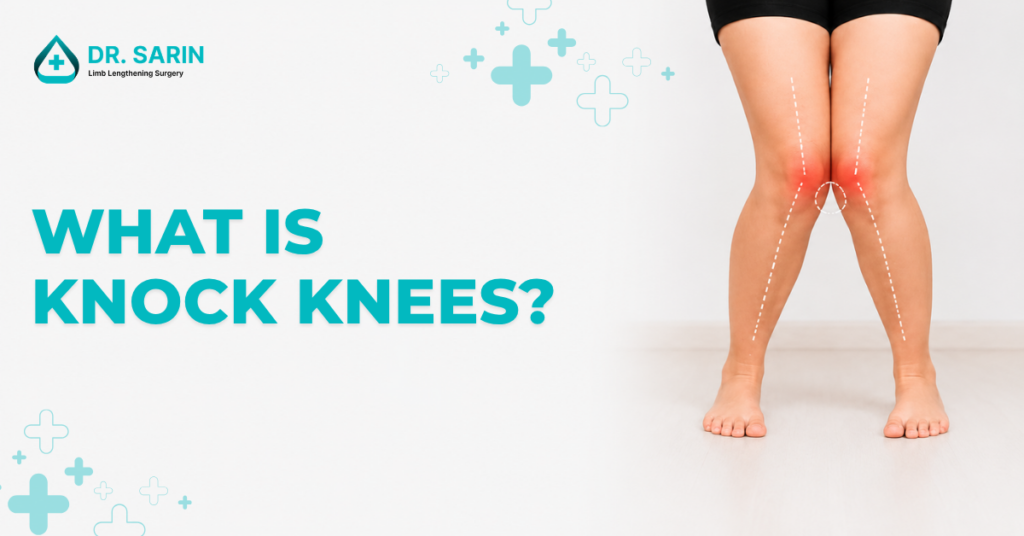
What is Knock Knees? Knock knees is a condition in which a person’s knees angle inward and touch or come close to touching each other when standing straight, while the ankles remain apart. The medical term for this condition is genu valgum. It affects the alignment of the legs and changes the way the lower limbs appear when viewed from the front. Many people notice the appearance of knock knees when looking in a mirror or comparing their leg alignment with others. In some cases, the inward positioning of the knees may be mild and barely noticeable, while in others it may be more obvious. Understanding what knock knees are is the first step toward recognizing this common leg alignment condition. What Does Knock Knees Mean? The term “knock knees” comes from the way the knees appear to move toward each other. When a person with knock knees stands with their legs straight, the knees may touch or nearly touch, but the ankles remain separated. This creates an inward angle in the legs that is different from normal lower limb alignment. Knock knees are considered a type of alignment variation involving the lower limbs. The condition can affect one leg more than the other, although it is commonly seen on both sides. The degree of inward angulation can vary from person to person, making each case unique. The medical name, genu valgum, is often used by orthopedic specialists to describe this alignment pattern. While the term may sound complex, it simply refers to the inward positioning of the knees relative to the rest of the leg. How Do Knock Knees Look? The appearance of knock knees is usually easy to recognize. When a person stands upright with their knees together, a noticeable gap may remain between the ankles. This differs from normal leg alignment, where the knees and ankles are generally positioned in a more balanced manner. From the front, the legs may appear to form an inward angle at the knees. The thighs angle slightly toward each other, causing the knees to come closer together than usual. The lower part of the legs then angles outward toward the ankles. The appearance can vary depending on the degree of alignment change. Some individuals have only a slight inward angle, while others may have a more pronounced difference in leg positioning. Understanding Leg Alignment in Knock Knees To understand knock knees, it helps to first understand normal leg alignment. In a normally aligned lower limb, the hips, knees, and ankles work together to create a relatively straight line that supports balanced movement and weight distribution. With knock knees, this alignment shifts inward at the knee joint. Instead of following a straight path from the hip to the ankle, the leg forms a slight inward angle at the knee. This altered alignment is what gives the condition its characteristic appearance. Leg alignment plays an important role in the overall structure of the body. The position of the knees influences how the lower limbs are arranged and how they appear during standing and walking. Knock knees represent one variation of this alignment pattern. Knock Knees vs Normal Leg Alignment One of the easiest ways to understand knock knees is to compare them with normal leg alignment. In a person with typical leg alignment, the knees and ankles are positioned in a way that creates a relatively straight appearance when standing. The legs appear balanced, with no significant inward or outward angulation. In a person with knock knees, the knees move inward toward each other. As a result, the ankles remain farther apart even when the knees touch. This difference in positioning creates the distinctive appearance associated with genu valgum. Recognizing this visual difference can help individuals better understand whether their leg alignment resembles knock knees. Can Knock Knees Affect One or Both Legs? Knock knees are commonly seen in both legs. In these situations, the inward angulation appears on both sides, creating a symmetrical appearance. However, the condition does not always affect both legs equally. Some individuals may notice that one knee angles inward more than the other. This can create a slightly uneven appearance in the lower limbs. The degree of alignment change can differ from person to person. Some people have only a mild variation, while others have a more noticeable inward positioning of the knees. Why Is It Important to Understand Knock Knees? Understanding knock knees is important because it helps people recognize changes in their leg alignment and body structure. Many individuals become aware of the condition after noticing differences in the appearance of their legs, posture, or stance. Being familiar with the characteristics of genu valgum can help individuals better understand what they are seeing and discuss their concerns more confidently with a healthcare professional if needed. It also helps parents recognize leg alignment variations in growing children and seek appropriate guidance when necessary. Knowledge is often the first step toward making informed decisions about orthopedic health. By understanding what knock knees are, individuals can gain a clearer picture of their lower limb alignment and overall leg structure. Understanding Knock Knees with Expert Guidance While learning about knock knees provides valuable insight into leg alignment, every individual is different. The appearance and degree of genu valgum can vary significantly from one person to another. Dr. Amar Sarin, an experienced orthopedic surgeon specializing in limb deformity correction, has evaluated and treated patients with a wide range of lower limb alignment conditions. Understanding the nature of knock knees is an important part of recognizing alignment differences and determining whether further orthopedic evaluation may be beneficial. Professional guidance can help individuals better understand their specific condition and the options available to them. Contact Us for: Knock Knees Treatment Conclusion Knock knees, medically known as genu valgum, is a condition in which the knees angle inward while the ankles remain apart. It is a variation in lower limb alignment that changes the appearance of the legs and can affect one or
How to Correct Bow Legs in Babies? A Parent’s Guide to Understanding and Managing Bowed Legs
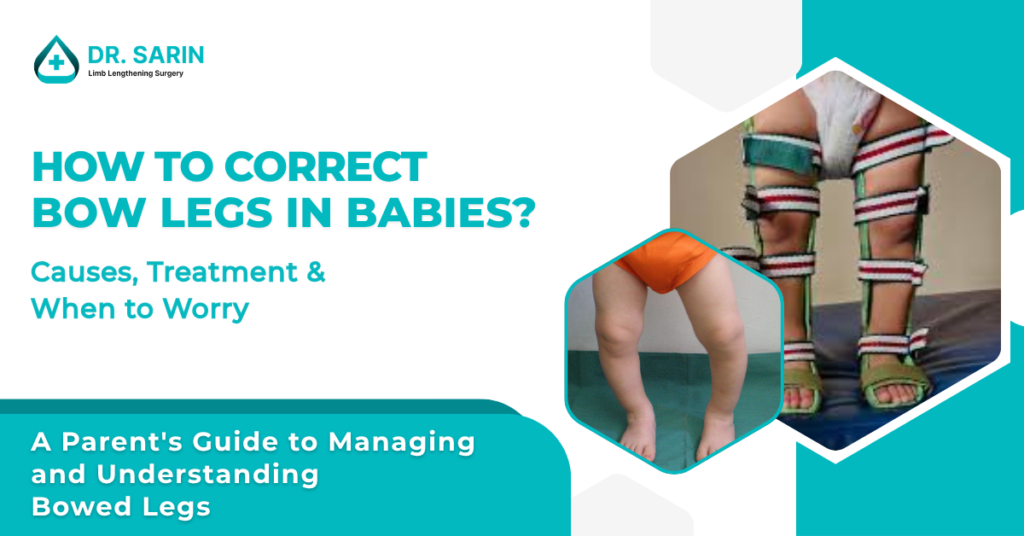
How to Correct Bow Legs in Babies?: Many parents notice something unusual when their baby begins standing or taking their first steps. The legs appear curved outward. The knees stay apart. And naturally, questions start racing through their minds. “Is this normal?” “Will my baby’s legs straighten on their own?” “Do bow legs need treatment?” The reassuring news is that bow legs in babies are extremely common. In most cases, they are simply a normal part of growth and development. However, there are situations where persistent bowing may indicate an underlying condition that requires medical attention. Understanding the difference can help parents make informed decisions and avoid unnecessary worry. In this guide, we’ll explain how to correct bow legs in babies, when treatment is needed, and when it’s perfectly normal to simply watch and wait. What Are Bow Legs in Babies? Bow legs, medically known as Genu Varum, occur when a child’s legs curve outward while the ankles remain together. When the baby stands: The feet and ankles may touch The knees stay apart The legs create a bow-like appearance For infants and toddlers, this is often considered a normal stage of development. Most babies are born with some degree of bowing because of their position inside the womb. As they grow and begin walking, the legs usually straighten naturally. Are Bow Legs Normal in Babies? In most cases, yes. Physiological bowing is a normal developmental condition that affects many infants and toddlers. Typically: Bowing is visible during infancy It gradually improves as the child grows Most children show significant correction by age 2 The legs continue aligning naturally through early childhood For many children, no treatment is necessary. The condition simply resolves with growth. Why Do Babies Have Bow Legs? Several factors can contribute to bowing during infancy. Natural Fetal Positioning Before birth, babies spend months in a curled position inside the womb. This natural positioning can temporarily influence leg alignment. After birth, as bones continue developing, the legs gradually straighten. Early Walking Development As toddlers learn to stand and walk, the lower limbs undergo constant changes. Temporary bowing is often part of this normal developmental process. Growth Variations Every child develops at a different pace. Some children may appear more bow-legged than others while still remaining completely healthy. When Should Parents Be Concerned? Although most cases are harmless, certain signs may indicate a condition that requires evaluation. Parents should consider consulting a pediatric orthopedic specialist if: Bowing becomes worse over time Only one leg appears affected The child experiences pain Walking becomes difficult Bowing remains significant after age 2-3 years The child is unusually short for their age The legs appear severely curved These signs may suggest an underlying medical condition rather than normal developmental bowing. Conditions That Can Cause Persistent Bow Legs Sometimes bow legs do not improve naturally. Common causes include: Blount’s Disease Blount’s disease affects the growth plate of the shin bone and causes progressive bowing. Unlike normal developmental bowing, this condition often worsens over time. Rickets Rickets occurs when bones become soft due to deficiencies in: Vitamin D Calcium Phosphorus Weak bones may bend under the child’s weight, resulting in bow legs. Skeletal Disorders Certain rare bone growth disorders can affect alignment and require specialist management. How Are Bow Legs Evaluated in Babies? When parents seek medical advice, the evaluation usually begins with a physical examination. The doctor may assess: Leg alignment Walking pattern Overall growth Symmetry of both legs If needed, additional investigations may include: X-Rays: These help identify: Growth plate abnormalities Bone deformities Severity of bowing Blood Tests: Blood tests may be recommended when nutritional deficiencies or metabolic bone disorders are suspected. How to Correct Bow Legs in Babies? The treatment approach depends entirely on the cause. In many cases, correction happens naturally without intervention. Observation and Monitoring This is the most common approach. If the bowing is part of normal growth, the doctor may simply monitor the child during routine visits. Parents are often advised to: Observe changes over time Attend follow-up appointments Monitor walking development Many children improve naturally without any treatment. Nutritional Support If nutritional deficiencies contribute to bone weakness, treatment may involve correcting those deficiencies. A healthcare provider may recommend: Vitamin D supplementation Calcium-rich nutrition Appropriate dietary adjustments Healthy bone development is essential for proper leg alignment. Bracing In selected cases, particularly early Blount’s disease, bracing may help guide growth and improve alignment. Bracing is not typically required for normal developmental bowing. Surgical Treatment Surgery is rarely needed for typical bow legs in babies. However, it may be considered when: Significant deformity persists Growth abnormalities are present Blount’s disease progresses Other corrective measures are ineffective The decision is always based on the child’s age, severity of the condition, and underlying diagnosis. If your child’s bow legs are severe, continue to worsen, or are caused by an underlying condition that requires medical intervention, Contact Dr. Amar Sarin for Bow Legs Treatment and Corection surgery to receive a comprehensive evaluation and discuss the most appropriate treatment options. What Parents Should Avoid? Parents often encounter advice online suggesting home remedies for bow legs. It’s important to understand that: Special shoes do not correct normal bow legs Walking aids do not straighten bones Unverified treatments may delay proper care The safest approach is professional evaluation when concerns arise. Will My Baby’s Legs Straighten Naturally? For most children, the answer is yes. Normal developmental bowing typically improves with growth. As the bones mature and weight-bearing patterns change, the legs gradually move toward proper alignment. This process often occurs over several years and varies from child to child. Patience is often the most important part of treatment. Long-Term Outlook Children with physiological bowing generally grow into healthy, active adults without complications. When underlying conditions are identified early, modern treatment options can effectively manage the problem and support normal development. Regular monitoring helps ensure that any concerns are addressed promptly. Final Thoughts: How to Correct Bow Legs in Babies? Parents are often understandably concerned
How to Correct Bow Legs in Adults? Treatment Options, Exercises & Surgery
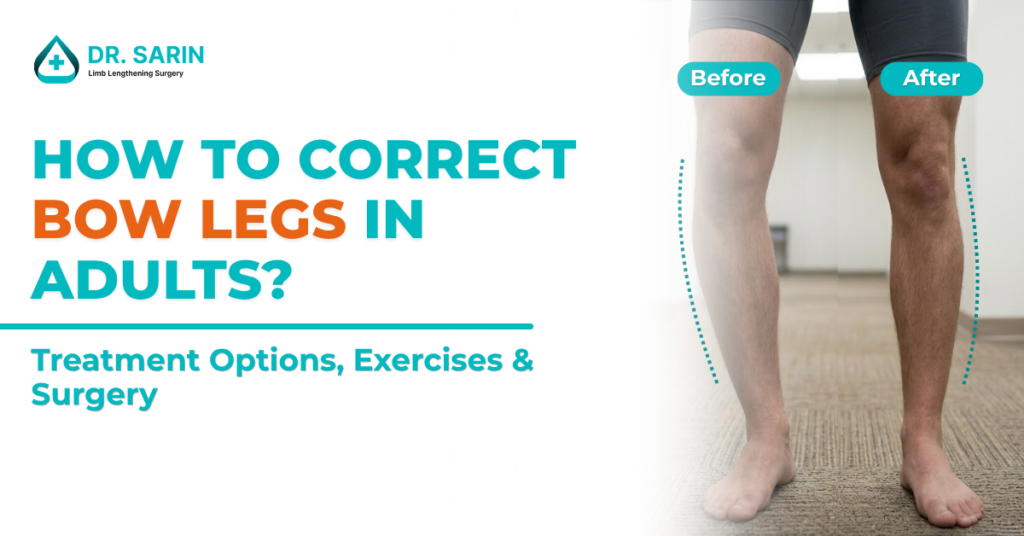
Many adults live with bow legs for years without realizing that treatment options are available. Some have had the condition since childhood. Others develop it gradually due to arthritis, bone disorders, or previous injuries. At first, the issue may seem purely cosmetic. However, as time passes, many people begin noticing symptoms such as knee pain, difficulty walking, uneven posture, and reduced mobility. This naturally leads to an important question: How to correct bow legs in adults? The answer depends on the severity of the deformity, its underlying cause, and the overall health of the knee joint. In this guide, we’ll explain what can and cannot correct bow legs in adults and when professional treatment may be necessary. Can Bow Legs Be Corrected in Adults? Yes. Bow legs can be corrected in adults. However, it’s important to understand that adult bones have finished growing. Unlike children, adults cannot rely on natural growth to straighten the legs. The treatment approach therefore focuses on improving alignment, reducing symptoms, and correcting the underlying deformity. The best solution depends on: The severity of bowing Presence of arthritis Bone structure Age Activity level Overall joint health What Causes Bow Legs in Adults? Before discussing treatment, it’s important to identify the cause. Adult bow legs may develop due to: Untreated childhood bow legs Osteoarthritis Blount’s disease Vitamin D deficiency Rickets Previous fractures Bone deformities Genetic conditions Understanding the root cause helps determine the most effective treatment plan. Can Exercise Correct Bow Legs? This is one of the most common questions patients ask. The honest answer is: Exercise cannot straighten bones that are already misaligned. Many websites claim that stretching or strengthening exercises can completely correct bow legs. Unfortunately, this is not true for adults. Once bone growth is complete, exercises cannot reshape the bones. However, exercise can still provide important benefits. It may help: Improve muscle strength Increase flexibility Support knee stability Reduce discomfort Improve walking mechanics Think of exercise as a supportive treatment rather than a permanent correction. Exercises That May Help Manage Symptoms Although they won’t straighten the legs, certain exercises may improve overall function. These include: Quadriceps Strengthening: Strong thigh muscles provide better support to the knee joint. Hamstring Stretching: Improved flexibility can reduce strain on surrounding structures. Hip Strengthening Exercises: Strong hip muscles help improve overall lower limb mechanics. Low-Impact Activities: Activities such as: Swimming Cycling Walking on flat surfaces can help maintain mobility while reducing stress on the knees. Always consult a specialist before starting any exercise program if significant deformity exists. Can Braces Correct Bow Legs in Adults? Braces are sometimes recommended to improve comfort and stability. However, adults should understand an important limitation: Braces generally do not permanently correct bow leg deformities after skeletal maturity. They may provide: Temporary support Improved walking comfort Better knee alignment during activity But they cannot change the shape of the bones. When Is Treatment Necessary? Not everyone with bow legs requires treatment. However, medical evaluation is recommended if you experience: Knee pain Progressive deformity Walking difficulties Joint stiffness Reduced physical activity Uneven leg alignment Early signs of arthritis The earlier the condition is assessed, the easier it may be to prevent further joint damage. How Are Bow Legs Evaluated? An orthopedic specialist typically performs: Physical Examination This helps assess: Leg alignment Walking pattern Knee stability Joint movement Standing X-Rays These images reveal: Severity of bowing Joint wear Bone structure Alignment abnormalities Accurate imaging is essential before deciding on treatment. Non-Surgical Treatment Options Mild bow leg deformities may be managed conservatively. Weight Management: Excess body weight increases pressure on already stressed knee joints. Maintaining a healthy weight may help reduce symptoms. Physical Therapy: A structured rehabilitation program may improve: Strength, Flexibility, Balance, and Walking mechanics. Pain Management: Depending on symptoms, treatment may include: Anti-inflammatory medications, Lifestyle modifications, and Activity adjustments. While these approaches help manage discomfort, they do not correct the underlying bone alignment. When Is Surgery Recommended? Surgery may be considered when: Bowing is severe Knee pain becomes significant Walking is affected Arthritis is developing Conservative treatments fail The goal is not simply cosmetic improvement. The primary objective is restoring proper alignment and protecting the knee joint from further damage. Surgical Correction for Bow Legs Modern orthopedic correction procedures can effectively straighten the legs and restore mechanical alignment. Bow legs correction surgery may help: Improve leg alignment Reduce knee stress Relieve pain Improve posture Enhance mobility Slow joint degeneration For many adults with moderate to severe deformities, surgery offers the most predictable long-term solution. What Is Recovery Like After Bow Leg Correction? Recovery varies depending on: Type of procedure Severity of deformity Patient health Rehabilitation progress Most treatment plans include: Guided physiotherapy Progressive weight-bearing Strengthening exercises Regular follow-up evaluations The goal is to safely restore function while achieving optimal alignment. What Happens If Bow Legs Are Left Untreated? Ignoring significant bow legs can lead to ongoing stress on the knee joint. Potential complications include: Progressive arthritis Chronic knee pain Joint degeneration Reduced mobility Difficulty walking Poor posture Early intervention often helps prevent these long-term issues. Can Adults Achieve Normal-Looking Legs After Treatment? In many cases, yes. Modern orthopedic correction techniques are designed to improve both function and appearance. Many patients experience: Straighter leg alignment Better walking mechanics Reduced discomfort Improved confidence Enhanced quality of life The exact outcome depends on the severity of the deformity and the chosen treatment approach. Final Thoughts: How to Correct Bow Legs in Adults? If you’re wondering how to correct bow legs in adults, the most important step is identifying the underlying cause and severity of the condition. While exercises and therapy can help manage symptoms, they cannot permanently straighten adult bones. For individuals with significant deformity, persistent pain, or worsening alignment, professional orthopedic evaluation is essential. With modern treatment options, many adults can achieve improved alignment, better mobility, and long-term joint health. The sooner the condition is assessed, the better the opportunity to protect your knees and maintain an active lifestyle. FAQs About Bow Legs Correcton in Adults?
What Causes Bow Legs in Adults? Understanding the Real Reasons Behind Leg Misalignment
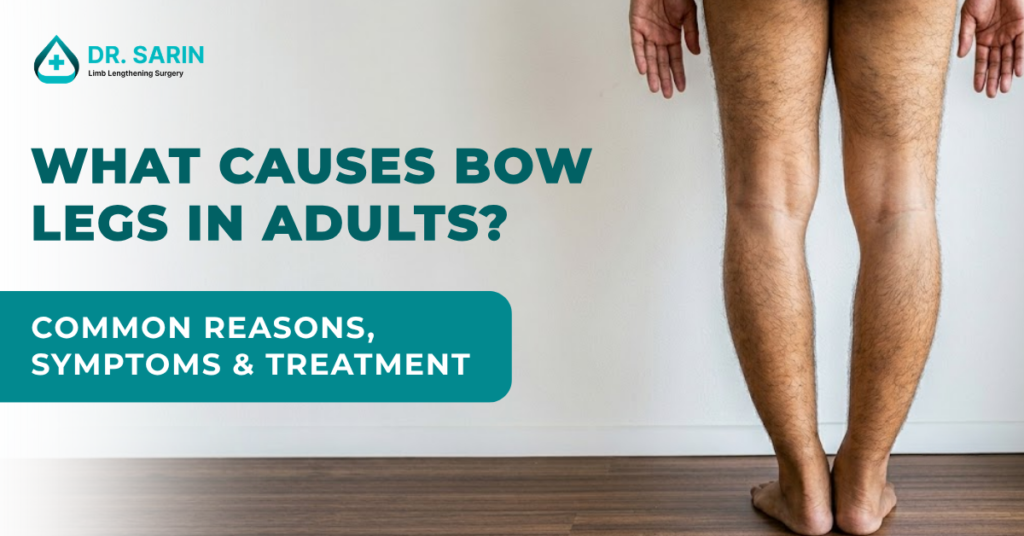
Many people believe bow legs are only a childhood condition. However, that’s not always true. Some adults continue to have bow legs from childhood, while others develop the condition later in life due to joint problems, injuries, or bone disorders. If you’ve noticed your knees staying apart when your feet are together, or you’ve started experiencing knee pain along with a curved leg appearance, you may be wondering: What causes bow legs in adults? Understanding the underlying cause is important because bow legs can affect much more than appearance. Left untreated, the condition may lead to pain, mobility issues, and even early arthritis. In this guide, we’ll explore the common causes of bow legs in adults, associated symptoms, and available treatment options. What Are Bow Legs? Bow legs, medically known as Genu Varum, occur when the legs curve outward, creating a noticeable gap between the knees while the ankles remain close together. This abnormal alignment changes how body weight is distributed through the knee joints. Instead of being evenly balanced, excessive pressure is placed on the inner side of the knees. Over time, this imbalance can affect walking, posture, and joint health. Know More: What is Bow Legs? Can Adults Develop Bow Legs? Yes, While some adults have had bow legs since childhood, others develop the condition later in life. Adult bow legs often result from: Joint degeneration Previous injuries Bone diseases Growth abnormalities Arthritis-related changes In many cases, the deformity gradually worsens if the underlying cause remains untreated. What Causes Bow Legs in Adults? Several medical conditions can contribute to bow leg deformity in adulthood. Let’s look at the most common causes. 1. Untreated Childhood Bow Legs One of the most common causes is a bow leg condition that never fully corrected during childhood. Some individuals had: Physiologic bowing Blount’s disease Rickets Growth plate abnormalities Although symptoms may have been mild earlier in life, the deformity often becomes more noticeable with age. As body weight increases and joints experience more wear and tear, knee pain and mobility issues can develop. 2. Knee Osteoarthritis Osteoarthritis is among the leading causes of bow legs in adults. Over time, the cartilage inside the knee gradually wears away. When the inner portion of the knee deteriorates more rapidly than the outer side, the leg begins shifting outward. This creates a bow-legged appearance. Common signs include: Knee pain Stiffness Swelling Difficulty walking Reduced mobility Many adults seeking treatment for bow legs are actually experiencing advanced osteoarthritis-related deformity. 3. Blount’s Disease Blount’s disease affects the growth plate near the upper part of the shin bone (tibia). Although commonly diagnosed in childhood, untreated cases can persist into adulthood. As growth continues abnormally, the lower legs gradually curve outward. Adults with untreated Blount’s disease often experience: Progressive bowing Knee pain Walking difficulties Joint instability 4. Rickets and Vitamin D Deficiency Healthy bones require adequate amounts of: Vitamin D Calcium Phosphorus When these nutrients are deficient, bones can become soft and weak. In severe cases, the bones may bend under the body’s weight, leading to bow leg deformities. Although rickets is more common in children, adults with long-standing bone weakness can continue experiencing alignment problems. 5. Bone Fractures That Heal Improperly A previous fracture involving the thigh bone (femur) or shin bone (tibia) may cause bow legs if the bone heals in an incorrect position. This is known as a malunion. Even a small alignment error can alter weight distribution across the knee joint. Over time, this may lead to: Visible bowing Uneven walking Joint pain Increased risk of arthritis 6. Paget’s Disease of Bone Paget’s disease is a chronic bone disorder that affects the normal process of bone remodeling. The bones become enlarged, weaker, and structurally abnormal. When the disease affects the leg bones, bowing may occur. Symptoms often include: Bone pain Joint discomfort Leg deformity Reduced mobility Although less common, Paget’s disease remains an important cause of bow legs in older adults. 7. Genetic Bone Disorders Certain inherited conditions can affect bone growth and alignment. These disorders may alter: Bone shape Growth patterns Joint structure As a result, bow leg deformities can persist into adulthood. A detailed orthopedic evaluation is usually required to identify these underlying conditions. How Do Bow Legs Affect Adults? Many adults initially view bow legs as a cosmetic issue. However, the condition can have significant functional consequences. Because the knees are not properly aligned, excessive pressure develops inside the joint. This can lead to: Chronic knee pain Walking difficulties Reduced stamina Joint degeneration Postural imbalance Hip discomfort Lower back pain The longer the misalignment persists, the greater the stress placed on surrounding joints. Symptoms That Should Not Be Ignored You should consider medical evaluation if you experience: Progressive leg bowing Knee pain while walking Difficulty climbing stairs Joint stiffness Uneven walking pattern Reduced physical activity due to discomfort Early diagnosis often helps prevent further joint damage. How Are Bow Legs Diagnosed in Adults? Diagnosis typically involves a combination of: Physical Examination An orthopedic specialist evaluates: Leg alignment Walking pattern Joint movement Overall posture X-Rays Standing X-rays help determine: Severity of deformity Knee alignment Joint damage Bone abnormalities These images are essential for treatment planning. Can Bow Legs in Adults Be Corrected? Yes, Modern orthopedic techniques can effectively correct bow leg deformities in adults. The most appropriate treatment depends on: Cause of the deformity Severity of misalignment Age Joint health Presence of arthritis Treatment Options for Adult Bow Legs Non-Surgical Treatment Mild cases may benefit from: Physical therapy Weight management Activity modification Pain management strategies However, these treatments generally do not correct the actual bone alignment. Surgical Correction When significant deformity exists, Bow legs correction surgery may be recommended. The goals of surgery include: Restoring proper leg alignment Improving walking mechanics Reducing knee stress Preventing further joint damage Improving quality of life Advanced corrective procedures can provide long-term functional and cosmetic improvements. What Happens If Adult Bow Legs Are Left Untreated? Without proper treatment, severe bow leg deformities may continue worsening. Potential
What Is Bow Legged? Understanding the Condition, Causes, and Treatment Options
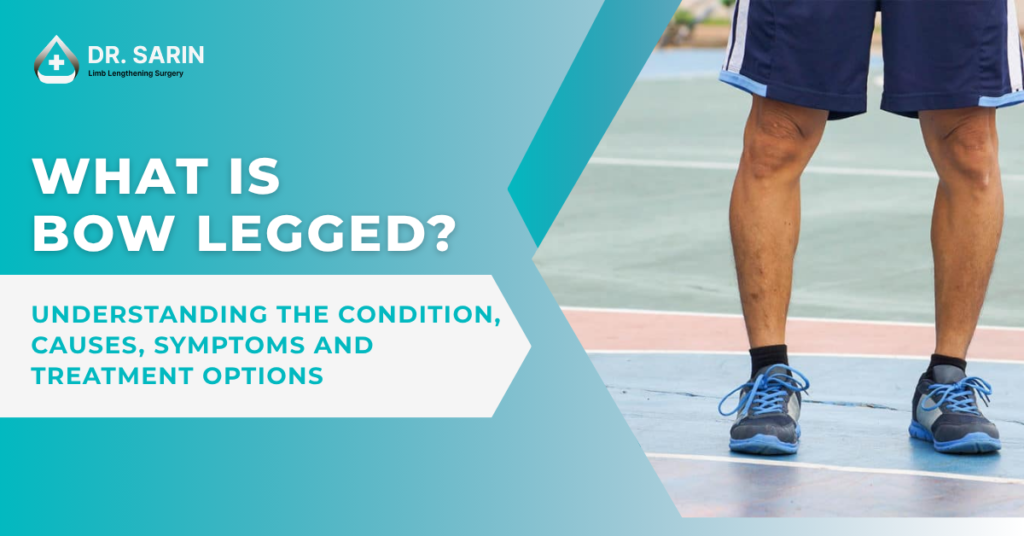
Have you ever noticed someone’s legs curve outward while standing with their feet together? This condition is commonly known as bow legged, medically referred to as Genu Varum. Many people assume bow legs are only seen in babies and young children. While this is often true, bow legs can also persist into adulthood or develop later in life due to underlying medical conditions. The good news is that modern orthopedic treatments can successfully correct bow leg deformities and improve both appearance and function. In this guide, we’ll explain what bow legged means, why it happens, and when treatment may be necessary. What Does Bow Legged Mean? A person is considered bow legged when the legs curve outward at the knees while the ankles remain close together. When standing with both feet together: The ankles touch The knees remain apart The legs create a noticeable bow-like shape This condition is known medically as Genu Varum. In mild cases, the curvature may be barely noticeable. In more severe cases, it can affect walking, posture, balance, and knee function. Is Bow Legged Normal? The answer depends on age. In infants and toddlers, bow legs are often a normal part of development. Most babies are born with a slight outward curvature of the legs because of their position inside the womb. As children grow and begin walking, the legs gradually straighten. For many children: Bow legs improve naturally by age 2-3 years No treatment is required Regular observation is usually sufficient However, if the condition persists beyond early childhood or becomes progressively worse, further evaluation may be necessary. What Causes Bow Legs? Several factors can lead to bow leg deformity. Natural Growth and Development: This is the most common reason in young children. As the child’s bones develop, the legs often straighten naturally without intervention. Rickets: Rickets occurs when bones become soft due to a deficiency of Vitamin D, calcium, or phosphate. This can cause: Weak bones, Growth abnormalities, and Bowing of the legs. Blount’s Disease: Blount’s disease affects the growth plate near the knee and can cause progressive bowing. Without treatment, the deformity may worsen over time. Bone Injuries: Fractures that heal improperly can lead to uneven bone alignment and bow leg formation. Arthritis. In adults, knee arthritis can gradually change joint alignment and result in bow-legged appearance. Genetic Conditions: Certain inherited bone disorders can affect bone growth and alignment, leading to genu varum. Common Symptoms of Bow Legs Some individuals experience only cosmetic concerns, while others develop functional problems. Common symptoms include: Outward curvature of the legs Knees that remain apart when standing Altered walking pattern Knee pain Hip discomfort Reduced balance Difficulty walking long distances As the condition progresses, abnormal pressure on the knee joint can increase the risk of arthritis. How Is Bow Legged Diagnosed? Diagnosis usually begins with a physical examination. An orthopedic specialist may evaluate: Leg alignment Walking pattern Knee positioning Joint movement Imaging studies such as X-rays help determine: Severity of the deformity Bone alignment Underlying causes Accurate diagnosis is essential because treatment depends on the root cause. When Should Bow Legs Be Treated? Treatment is not always necessary. Medical evaluation is recommended when: Bow legs worsen over time The child is older than 3 years and the condition persists One leg is more curved than the other Pain develops Walking becomes difficult The deformity affects daily activities Early intervention can help prevent future complications. Treatment Options for Bow Legs Bow Legs Treatment varies depending on age, severity, and underlying cause. Observation: Many young children simply require monitoring because the condition often improves naturally. Nutritional Management: If Vitamin D deficiency or rickets is responsible, correcting the deficiency may help improve bone health. Bracing: In selected pediatric cases, braces may help guide proper growth and alignment. Surgical Correction: Adults and patients with significant deformities often require surgical correction. Modern procedures can: Straighten the legs, Improve walking mechanics, Reduce knee stress, Improve posture, Enhance confidence Advanced corrective procedures are designed to restore proper alignment while preserving long-term knee function. What Happens If Bow Legs Are Left Untreated? Severe bow leg deformities may increase stress on the inner side of the knee joint. Over time, this can contribute to: Early arthritis Chronic knee pain Joint degeneration Walking difficulties Reduced mobility This is why persistent or worsening bow legs should not be ignored. Can Adults Correct Bow Legs? Yes. Contrary to popular belief, bow legs can be corrected in adults. Since adult bones have completed growth, treatment usually focuses on orthopedic correction procedures that realign the bones and restore proper leg mechanics. Modern techniques provide highly predictable outcomes for suitable candidates. Final Thoughts Understanding what is bow legged is the first step toward recognizing whether the condition requires treatment. While mild bowing in young children is often normal, persistent or severe bow legs can affect mobility, posture, knee health, and overall quality of life. If bow legs continue beyond childhood or begin causing discomfort, a consultation with an experienced orthopedic specialist can help determine the most appropriate treatment approach. Early evaluation and proper management can significantly improve both function and long-term joint health. Bow Legged FAQs 1. What is bow legged? Ans: Bow legged, or Genu Varum, is a condition where the legs curve outward, causing the knees to remain apart when the ankles are together. 2. Are bow legs normal in children? Ans: Yes. Mild bow legs are common in infants and toddlers and often correct naturally as the child grows. 3. What causes bow legs in adults? Ans: Common causes include arthritis, previous bone injuries, untreated childhood deformities, and certain bone disorders. 4. Can bow legs be corrected without surgery? Ans: Some childhood cases improve naturally or respond to bracing and nutritional treatment. Adults with significant deformities often require surgical correction. 5. Do bow legs cause knee pain? Ans: Yes. Severe bow legs can place extra stress on the knee joint, leading to pain, instability, and early arthritis over time.