
Non-Surgical Treatment for Knock Knees
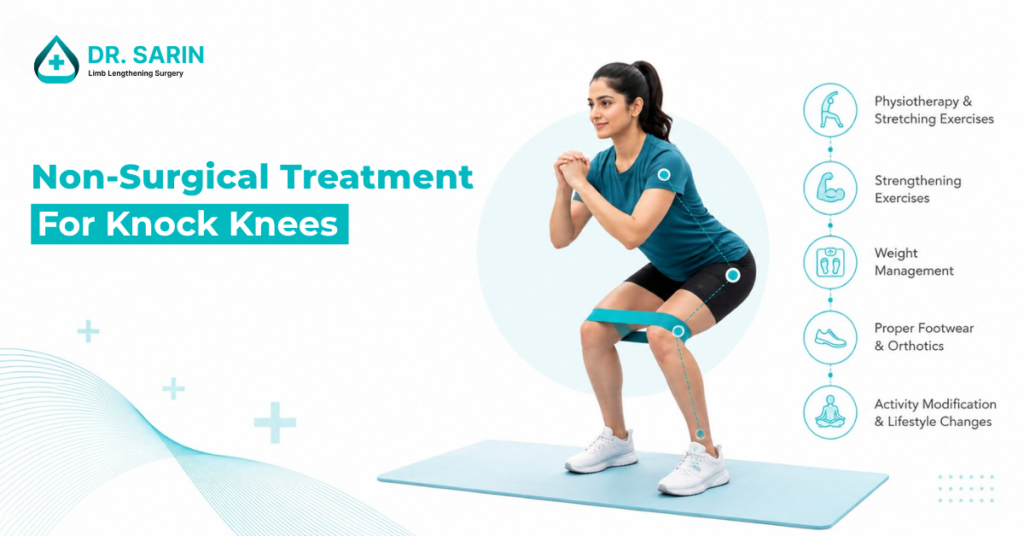
Many people diagnosed with knock knees immediately begin looking for non-surgical solutions. Questions such as “Can knock knees be treated without surgery?” and “Are there non-surgical treatment options for knock knees?” are commonly searched by both parents and adults. The answer is that non-surgical treatment may be appropriate in certain situations. However, the effectiveness of any non-surgical approach depends on factors such as age, the severity of the deformity, skeletal maturity, and the underlying cause of the condition. Because every case of knock knees is different, understanding the available options and their limitations is essential before deciding on any treatment plan. Understanding Knock Knees Knock knees, medically known as genu valgum, is a condition in which the knees angle inward while the ankles remain apart when standing. The condition can affect both children and adults and may range from mild alignment differences to more significant deformities. While some cases are largely cosmetic, others may involve substantial changes in lower limb alignment. The most important thing to understand is that knock knees are not a single condition with a single solution. The treatment approach depends entirely on the individual’s specific circumstances. Is Non-Surgical Treatment Always Possible? Many people assume that every case of knock knees can be corrected through exercises or lifestyle changes alone. Unfortunately, this is not always the case. The success of non-surgical treatment depends on factors such as: Age Growth potential Degree of deformity Bone alignment Underlying cause of genu valgum For example, a growing child and a fully grown adult may require very different approaches. What works in one situation may not be effective in another. This is why a proper orthopedic assessment is often the first and most important step. Observation and Monitoring In some children, knock knees may improve naturally as part of normal growth and development. In such situations, an orthopedic specialist may recommend observation rather than immediate intervention. Regular follow-up appointments allow the child’s alignment to be monitored over time. This approach helps determine whether the condition is improving naturally or whether further treatment may eventually be necessary. Monitoring may seem simple, but it requires expert evaluation to ensure that important changes are not overlooked. Physical Therapy Physical therapy is one of the most commonly recommended non-surgical treatment options. A physiotherapy program may focus on: Improving muscle strength Enhancing flexibility Supporting joint function Improving movement patterns Promoting better balance and coordination Strong muscles around the hips, knees, and ankles can help support the lower limbs during daily activities. However, it is important to understand that physical therapy primarily targets muscles and movement patterns. The extent to which it can influence bone alignment depends on the individual’s condition. Exercise Programs Many online resources promote exercises as a way to correct knock knees. Exercise can play a valuable role in maintaining musculoskeletal health and improving lower limb function. Activities that strengthen the hips, thighs, and core muscles may contribute to improved stability and posture. However, not every exercise program is appropriate for every patient. Without understanding the degree of deformity and the underlying alignment issue, individuals may spend months performing exercises without achieving meaningful improvement. This is one reason why professional guidance is often recommended before starting a treatment program. Weight Management Maintaining a healthy body weight can be beneficial for people with knock knees. The knees support body weight throughout the day, and excess weight may increase stress on the joints. Reducing unnecessary pressure can help support overall lower limb health and mobility. While weight management may improve comfort and function, it does not necessarily correct the underlying alignment of the bones. The impact varies significantly from person to person. Bracing and Orthotic Support In certain situations, orthopedic specialists may recommend supportive devices as part of a management plan. Braces or orthotic devices may be used to support alignment and improve lower limb mechanics in selected cases. However, the suitability of these options depends on the patient’s age, growth stage, and the nature of the deformity. Because inappropriate use may provide limited benefit, these interventions are generally most effective when guided by an experienced orthopedic specialist. The Limitations of Non-Surgical Treatment One of the biggest misconceptions surrounding knock knees is that all cases can be corrected without surgery. The reality is that non-surgical approaches have limitations. When genu valgum is primarily related to bone alignment, exercises, stretching, and lifestyle modifications may not be sufficient to fully correct the deformity. These measures may improve strength, flexibility, and function, but they cannot always change the structural alignment of the bones. This is particularly important for adults who have already reached skeletal maturity. Understanding these limitations helps individuals develop realistic expectations about treatment outcomes. Why Professional Evaluation Is Essential? Many patients spend considerable time searching for exercises, braces, or home remedies without first determining the severity of their condition. The challenge is that two people with similar-looking knock knees may require completely different treatment strategies. A detailed orthopedic evaluation helps answer important questions: How severe is the deformity? Is the condition likely to improve with conservative treatment? Is the alignment related to growth, muscle imbalance, or bone structure? What treatment approach is most appropriate? Without these answers, choosing the right treatment becomes largely a matter of guesswork. Expert Insight from Dr. Amar Sarin Non-surgical treatment can play an important role in managing knock knees, but its effectiveness depends on the specific characteristics of the deformity. According to Dr. Amar Sarin, an orthopedic surgeon specializing in limb deformity correction, the first step is always a detailed evaluation of the patient’s alignment and skeletal structure. While some individuals may benefit from observation, physiotherapy, or other conservative measures, others may require a different approach. Understanding the exact nature of the deformity helps ensure that treatment recommendations are appropriate and realistic. Conclusion: Non-Surgical Treatment for Knock Knees Non-surgical treatment for knock knees may include observation, physical therapy, exercise programs, weight management, and supportive orthopedic devices. These approaches can help improve strength, mobility, and overall lower limb function in selected cases.
Treatment Options for Knock Knees
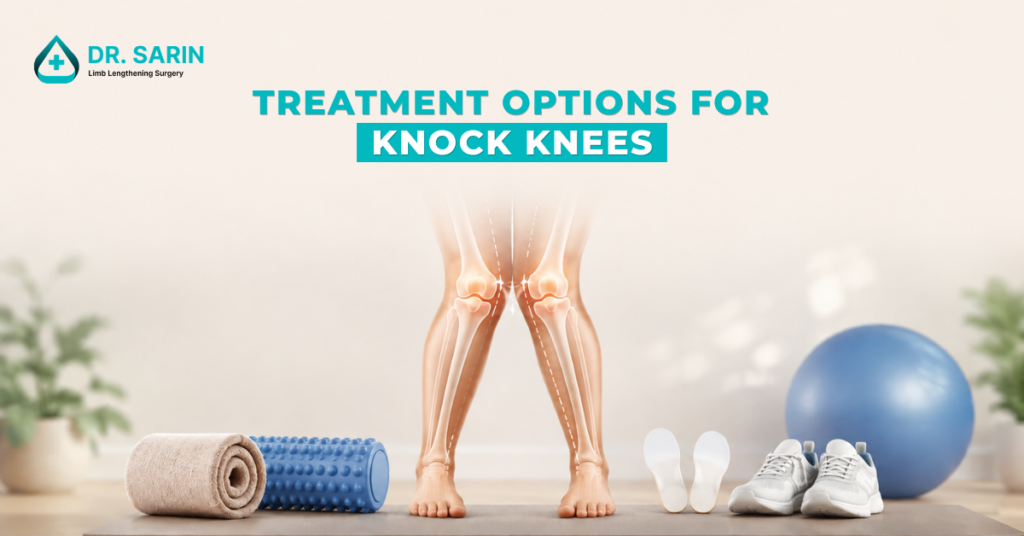
Knock knees, medically known as genu valgum, is a condition in which the knees angle inward while the ankles remain apart when standing. The condition can affect both children and adults and may vary from a mild alignment difference to a more noticeable deformity. Once individuals understand what knock knees are and whether the condition applies to them, the next common question is about treatment. Many people want to know whether knock knees can be improved and what options are available to address the alignment. The treatment approach depends on several factors, including age, the severity of the condition, the underlying cause, and the degree of lower limb alignment. Because every case is unique, treatment is often individualized to meet the specific needs of the patient. Is Treatment Always Necessary? Not every case of knock knees requires treatment. In some children, genu valgum may be part of normal growth and development. As the bones continue to mature, the alignment of the legs may naturally improve over time. Similarly, some adults have mild knock knees that do not significantly affect their appearance, mobility, or daily activities. In such situations, treatment may not always be necessary. The decision to pursue treatment depends on the individual’s alignment, concerns, and overall orthopedic evaluation. Understanding Treatment Goals The primary goal of treatment is to improve lower limb alignment and support healthy function. Treatment may aim to: Improve the alignment of the legs Promote balanced weight distribution Support comfortable movement Address concerns related to appearance Improve overall lower limb mechanics The specific objectives vary depending on the patient’s age and the nature of the deformity. Treatment Options for Children with Knock Knees Children have a unique advantage because their bones are still growing. When genu valgum occurs during growth, orthopedic specialists evaluate the child’s age, growth potential, and degree of alignment. Because the skeleton continues to develop, some treatment approaches can take advantage of remaining growth. The management strategy for children is often different from that used in adults because growing bones respond differently to orthopedic interventions. A thorough assessment helps determine the most appropriate course of action based on the child’s stage of development. Treatment Options for Adults with Knock Knees Adults who have completed skeletal growth require a different treatment approach. Because the bones have reached maturity, the alignment generally does not change naturally. As a result, treatment decisions are based on the existing structure of the lower limbs and the degree of genu valgum present. Adults may seek treatment for various reasons, including concerns about appearance, posture, lower limb alignment, or overall orthopedic health. The most suitable approach depends on the individual’s specific condition and treatment goals. Observation and Monitoring In some situations, observation may be recommended. Monitoring allows orthopedic specialists to evaluate how leg alignment changes over time. This approach is particularly relevant in growing children whose skeletal development is still ongoing. Regular follow-up assessments help determine whether the condition is improving, remaining stable, or becoming more pronounced. Observation is often an important component of managing lower limb alignment during growth. Physical Therapy and Rehabilitation Physical therapy may be included as part of a broader management plan. Therapy often focuses on improving strength, flexibility, balance, and movement patterns. Supporting the muscles around the hips, knees, and ankles may contribute to improved lower limb function. Although physical therapy can play an important role in musculoskeletal health, its role varies depending on the nature and severity of the genu valgum. An individualized rehabilitation program is typically designed according to the patient’s needs. Orthopedic Interventions When knock knees are more significant, additional orthopedic interventions may be considered. The specific approach depends on factors such as age, skeletal maturity, degree of deformity, and overall lower limb alignment. Orthopedic specialists carefully evaluate these factors before recommending any treatment strategy. Advances in deformity correction have made it possible to address a wide range of alignment conditions using modern orthopedic techniques. Because every patient presents differently, treatment recommendations are highly individualized. Surgical Treatment for Knock Knees In certain situations, surgical correction may be considered as part of the treatment plan. Surgical approaches are typically evaluated based on the patient’s age, severity of the deformity, and overall alignment. Modern orthopedic procedures are designed to address the underlying structural causes of genu valgum and improve lower limb mechanics. The decision to consider surgery is made only after a detailed assessment of the patient’s condition and treatment goals. Understanding all available options is an important part of the decision-making process. Why Personalized Treatment Matters? No two cases of knock knees are exactly alike. Some individuals have mild alignment differences that require little or no intervention, while others have more significant deformities that may benefit from specialized orthopedic management. A personalized treatment plan takes into account the patient’s age, growth stage, alignment measurements, bone structure, and overall health. This individualized approach helps ensure that treatment decisions are based on the specific characteristics of the condition rather than a one-size-fits-all solution. Expert Insight from Dr. Amar Sarin The most appropriate treatment for knock knees depends on a careful assessment of the individual’s alignment and orthopedic health. According to Dr. Amar Sarin, an orthopedic surgeon specializing in limb deformity correction, treatment planning begins with understanding the nature and severity of genu valgum. Factors such as age, skeletal maturity, and the degree of deformity play a key role in determining the most suitable approach. A detailed evaluation helps patients understand their condition and explore the options available for knock knees treatment. Conclusion: Treatment Options for Knock Knees There are several treatment options for knock knees, ranging from observation and monitoring to physical therapy and specialized orthopedic interventions. The most appropriate approach depends on the individual’s age, skeletal development, and the severity of the condition. Because genu valgum can affect people differently, treatment should always be tailored to the specific needs of the patient. Understanding the available options is the first step toward making informed decisions about lower limb alignment and overall orthopedic health.
When Should You Worry About Knock Knees?
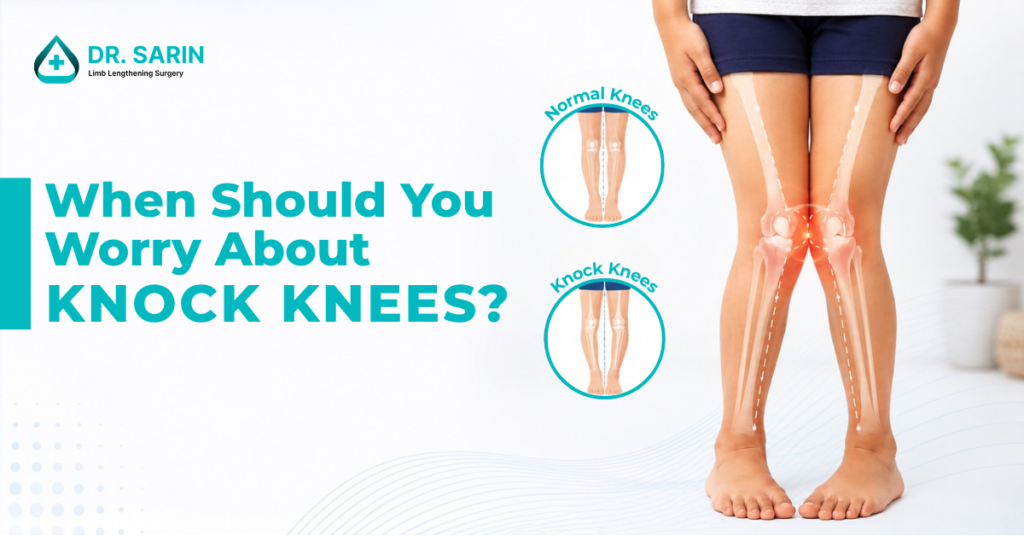
Knock knees, medically known as genu valgum, is a condition in which the knees angle inward while the ankles remain apart when standing. Many people notice this alignment difference in themselves or their children and immediately wonder whether it is something to be concerned about. The truth is that not all cases of knock knees require concern. In some situations, genu valgum may be part of normal growth and development or represent a mild variation in leg alignment. However, there are circumstances in which knock knees may deserve closer attention. Understanding when to worry about knock knees can help individuals and parents make informed decisions about their orthopedic health. Are Knock Knees Always a Problem? No. Knock knees are not always a sign of an orthopedic problem. During childhood, changes in leg alignment are a normal part of growth. Many children go through stages in which the knees appear to angle inward before the legs gradually develop a more mature alignment pattern. Even in adults, mild knock knees may simply represent a natural variation in skeletal structure. Not every person has perfectly straight legs, and small differences in alignment are common. Because of this, the presence of knock knees alone does not automatically mean that something is wrong. When Does the Appearance of Knock Knees Become a Concern? One factor that may raise concern is the degree of alignment. Mild genu valgum often attracts little attention, while more noticeable inward angulation may prompt questions about whether the alignment falls within an expected range. The greater the difference in alignment, the more important it becomes to understand the nature of the condition and whether further assessment may be beneficial. Every individual is different, which is why the appearance of the legs should be evaluated in the context of age, growth stage, and overall skeletal development. Should You Worry If Knock Knees Persist Over Time? Many parents expect leg alignment to change as their child grows. In some cases, knock knees become less noticeable as skeletal development progresses. However, when the alignment remains unchanged or becomes more pronounced over time, questions often arise about whether the condition should be evaluated more closely. Persistent genu valgum does not automatically indicate a serious issue, but understanding why the alignment continues can provide valuable insight into overall orthopedic health. Is Uneven Leg Alignment a Reason for Concern? Knock knees commonly affect both legs. However, some individuals notice that one side appears different from the other. When the alignment is significantly more noticeable in one leg, it may be helpful to understand why this difference exists. Symmetry often plays an important role in the way the lower limbs function and appear. A marked difference between the two sides may warrant a more detailed evaluation of leg alignment. Should Adults Be Concerned About Knock Knees? Adults often become aware of knock knees after paying closer attention to their posture, walking pattern, or leg appearance. In some cases, the condition has been present since childhood. In others, the alignment may appear to change gradually over time. Adults who notice a significant change in the appearance of their legs may benefit from understanding the factors contributing to the alignment difference. Identifying whether the condition is long-standing or newly noticed can be an important part of the evaluation process. Can Knock Knees Affect Daily Activities? The impact of knock knees varies widely. Some individuals live with genu valgum without experiencing any significant concerns, while others become more aware of the condition during walking, standing, or physical activities. The degree of alignment often influences how noticeable the condition becomes in everyday life. Understanding the relationship between leg alignment and daily function can help determine whether further assessment may be worthwhile. Why Professional Evaluation Can Be Helpful? Many people search online for answers about knock knees, but online information cannot replace an individualized assessment. A professional evaluation helps determine the degree of genu valgum and whether the alignment falls within an expected range. It also provides a clearer understanding of how the condition relates to age, growth patterns, and overall skeletal structure. Because every person is unique, a personalized assessment often provides the most accurate information. Questions That May Indicate It’s Time for an Evaluation You may consider seeking professional guidance if: The knock knees appear significantly more pronounced over time. One leg appears noticeably different from the other. The alignment causes concern about posture or leg appearance. You are unsure whether the condition falls within an expected range. You want a clearer understanding of your lower limb alignment. These questions do not necessarily indicate a serious problem, but they often justify a closer look at the condition. Expert Insight from Dr. Amar Sarin Many patients and parents are unsure whether knock knees are a normal variation or a condition that deserves further attention. According to Dr. Amar Sarin, an orthopedic surgeon specializing in limb deformity correction, the degree of alignment, the individual’s age, and the overall pattern of skeletal development are important factors when evaluating genu valgum. A detailed assessment can help determine whether the alignment falls within expected limits and provide clarity regarding the individual’s orthopedic needs. Conclusion: When Should You Worry About Knock Knees? So, when should you worry about knock knees? The answer depends on factors such as age, the degree of alignment, symmetry between the legs, and how the condition changes over time. While many cases of genu valgum are part of normal development or represent mild anatomical variations, some situations may benefit from professional evaluation. Understanding the condition and paying attention to changes in leg alignment can help individuals make informed decisions about their orthopedic health and determine when expert guidance may be appropriate.
Are Knock Knees Normal?
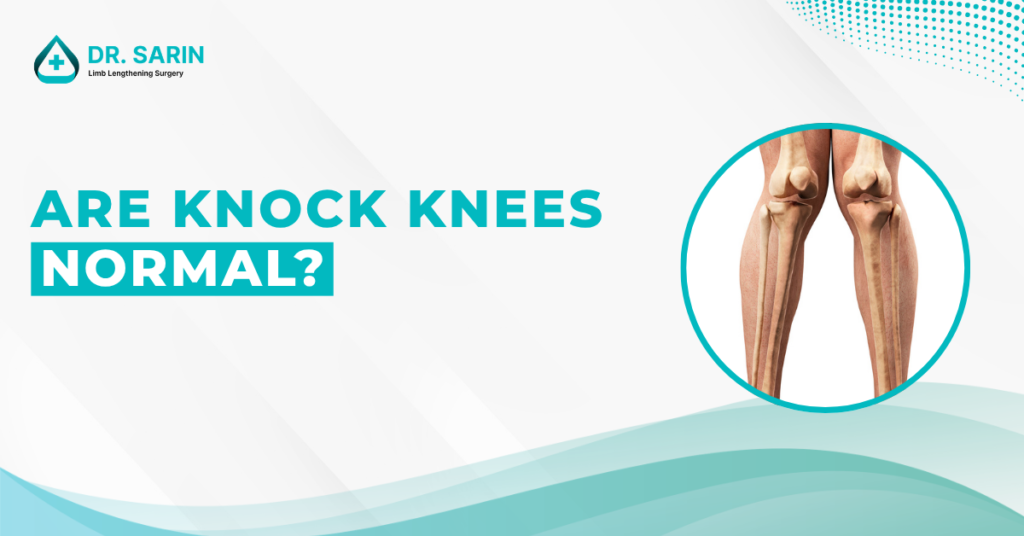
Many people who notice that their knees angle inward often wonder whether this is normal. Parents may become concerned when they see changes in their child’s leg alignment, while adults may question whether their knees have always looked this way or if something has changed over time. The good news is that knock knees can be normal in certain situations. However, whether genu valgum is considered normal depends on factors such as age, growth patterns, and the degree of knee alignment. Understanding when knock knees are part of normal development and when they may require further attention can help individuals make informed decisions about their orthopedic health. What Are Knock Knees? Knock knees, medically referred to as genu valgum, are characterized by an inward alignment of the knees, with the ankles staying apart when standing. When a person with knock knees stands upright, the knees may touch or come close together while a gap remains between the ankles. This inward positioning creates the characteristic appearance associated with genu valgum. The degree of inward angulation can vary from one person to another. Some individuals have only a slight alignment difference, while others have a more noticeable change in leg positioning. Know More: What are Knock Knees? Can Knock Knees Be Normal in Children? Yes, knock knees can be a normal part of childhood development. As children grow, their legs naturally pass through several stages of alignment. During certain years of development, it is common for the knees to angle inward. This is a natural part of the body’s growth process and often reflects normal skeletal development. Because children’s bones are still growing, changes in alignment can occur gradually over time. In many cases, the legs become more balanced as growth continues. This is why the appearance of knock knees in young children does not always indicate a problem. Why Do Children’s Leg Alignment Change? The human skeleton undergoes continuous development during childhood. As bones grow, the relationship between the hips, knees, and ankles changes. These changes help shape the alignment of the lower limbs and influence the way the legs appear during different stages of growth. Because growth occurs gradually, children may experience periods when knock knees are more noticeable before alignment naturally evolves toward a more mature pattern. Understanding this developmental process can help parents appreciate why knock knees are often considered normal during certain ages. Are Mild Knock Knees Normal? Mild knock knees can be considered a normal variation in leg alignment for some individuals. Not every person has perfectly straight legs. Just as height, body shape, and posture vary among individuals, leg alignment can also differ. A slight inward angulation of the knees may simply represent a natural anatomical variation. In many cases, mild genu valgum does not significantly affect appearance or function. Because alignment exists on a spectrum, small differences do not necessarily indicate an underlying problem. Are Knock Knees Normal in Adults? The answer depends on the degree of alignment and the individual’s circumstances. Some adults have had knock knees since childhood, and the alignment remains part of their natural skeletal structure. Others may have only a mild inward angulation that falls within a broad range of normal anatomical variation. However, more significant alignment differences may warrant a closer understanding of the condition and its underlying factors. The important point is that not all adult knock knees are the same. Each case should be viewed individually rather than assuming that every alignment difference is abnormal. When Are Knock Knees Considered Less Typical? Although knock knees can be normal in many situations, there are circumstances in which the alignment may be more noticeable than expected. For example, the degree of inward angulation may be greater than what is typically seen during normal development. In other cases, the alignment may persist beyond the years when natural changes are usually expected. Every individual’s skeletal development is unique, which is why understanding the specific nature of the alignment is important. The presence of knock knees alone does not automatically indicate a serious orthopedic issue, but significant alignment differences may deserve further evaluation. Why Do People Often Worry About Knock Knees? Many people become concerned because the appearance of knock knees is easy to notice. Parents may compare their child’s legs with those of other children. Adults may become more aware of their posture or leg alignment after seeing photographs or observing themselves in a mirror. Because the condition affects appearance, it often raises questions about whether the alignment is normal or whether something should be done about it. In many cases, education and a better understanding of genu valgum can help reduce unnecessary worry. How Can You Know If Your Knock Knees Are Normal? The most reliable way to understand whether knock knees fall within an expected range is through professional assessment. While general information can provide helpful guidance, every individual’s alignment is unique. Factors such as age, skeletal development, and the degree of genu valgum all influence whether the condition is considered part of normal variation. A proper orthopedic evaluation can provide greater clarity and help individuals better understand their specific alignment pattern. Expert Insight from Dr. Amar Sarin Questions about whether knock knees are normal are among the most common concerns raised by patients and parents. According to Dr. Amar Sarin, an orthopedic surgeon with extensive experience in Knock Knees correction, genu valgum may be a normal part of childhood development or represent a natural variation in alignment. However, the degree of knee angulation and the individual’s stage of growth are important factors when evaluating the condition. A detailed assessment can help determine whether the alignment falls within expected limits or requires further attention. Conclusion: Are Knock Knees Normal? So, are knock knees normal? In many cases, yes. Knock knees are often a normal part of childhood growth and may also represent a mild anatomical variation in some adults. However, the answer depends on factors such as age, growth stage, and the degree of alignment. Understanding how
Can Knock Knees Be Corrected Naturally?
Many people who discover they have knock knees immediately begin searching for natural ways to improve the condition. Questions such as “Can knock knees be corrected naturally?” or “Can I fix knock knees without surgery?” are common among both teenagers and adults. The desire for a natural solution is understandable. Most people prefer approaches that do not involve medical procedures and want to know whether exercises, lifestyle changes, or other non-invasive methods can improve leg alignment. The answer depends on several factors, including the individual’s age, the severity of the condition, and the underlying cause of the knock knees. Understanding these factors is essential when evaluating whether natural correction is possible. What Are Knock Knees? Knock knees, medically known as genu valgum, is a condition in which the knees angle inward while the ankles remain apart when standing. The condition affects the alignment of the lower limbs and can vary from mild to severe. Some individuals notice only a slight inward positioning of the knees, while others have a more pronounced alignment difference. Because genu valgum involves the relationship between the bones of the legs, the possibility of natural correction depends largely on how the condition developed and the degree of alignment involved. Know More: What are Knock Knees? Can Knock Knees Improve Naturally During Growth? In children, knock knees may sometimes improve naturally as part of normal skeletal development. During childhood, bones continue to grow and change shape. Leg alignment also goes through several stages before reaching its mature form. Because of this natural growth process, some children who appear knock-kneed at one age may develop more balanced alignment as they grow older. This natural improvement is one reason why age is an important factor when discussing the possibility of correction. Why Natural Correction Is More Difficult in Adults? Adults often ask whether their knock knees can be reversed naturally. The challenge is that adult bones have already completed their growth. Once skeletal maturity is reached, the alignment of the bones generally remains stable. Unlike growing children, adults do not experience the same developmental changes that can naturally alter leg alignment. For this reason, significant changes in bone alignment are less likely to occur naturally after growth has finished. Can Exercise Correct Knock Knees Naturally? Exercise is one of the most commonly discussed natural approaches for knock knees. Regular physical activity can strengthen the muscles surrounding the hips, knees, and legs. Improved muscle strength may contribute to better stability, posture, and movement patterns. However, it is important to understand the difference between muscle function and bone alignment. While exercises may support the muscles that control movement, they do not necessarily change the structure of the bones themselves. The extent to which exercise influences the appearance of knock knees depends on the individual’s specific condition and alignment. Can Weight Loss Help Improve Knock Knees? Maintaining a healthy body weight is beneficial for overall orthopedic health. Excess body weight places additional stress on the hips, knees, and ankles. Reducing unnecessary pressure on the lower limbs may improve comfort and support healthier joint function. While weight management can positively affect overall mobility and lower limb health, its impact on actual bone alignment varies from person to person. For some individuals, losing weight may make the legs appear more balanced, while for others the underlying alignment remains unchanged. Can Stretching Reverse Knock Knees? Stretching is another approach often recommended online. Flexibility exercises may improve muscle mobility and joint movement. Better flexibility can contribute to improved posture and more efficient movement patterns. However, stretching alone is generally not considered a method for changing established bone alignment. The primary benefit of stretching lies in supporting overall musculoskeletal health rather than directly altering the position of the bones. Are Online Remedies Effective? The internet contains countless videos and articles claiming to offer quick natural fixes for knock knees. Some promise dramatic improvements through simple exercises or short daily routines. While staying active and maintaining strong muscles is beneficial, individuals should approach such claims carefully. Every case of genu valgum is different, and there is rarely a single solution that works for everyone. Understanding the severity and underlying nature of the condition is important before relying on any online recommendation. What Factors Influence Natural Improvement? Several factors influence whether knock knees may improve without medical intervention: Age and stage of skeletal development Degree of knee alignment Bone structure Overall musculoskeletal health Underlying cause of genu valgum These factors help explain why some individuals experience improvement while others do not. Because every person is unique, the possibility of natural correction can vary significantly. When Should Professional Guidance Be Considered? People often spend months or even years attempting to correct knock knees naturally without first understanding the nature of their condition. A professional orthopedic evaluation can provide valuable information about the degree of genu valgum and whether the alignment is likely to respond to conservative measures. It also helps individuals develop realistic expectations regarding what natural approaches may or may not achieve. Understanding the condition accurately is often the first step toward making informed decisions. Expert Insight from Dr. Amar Sarin Many patients ask whether knock knees can be corrected naturally. According to Dr. Amar Sarin, an orthopedic surgeon specializing in Knock Knees correction surgery, the answer depends on factors such as age, skeletal maturity, and the severity of the alignment. While maintaining good muscle strength, flexibility, and overall orthopedic health is important, the potential for natural improvement varies from one individual to another. A proper assessment helps determine the nature of the condition and the options that may be most appropriate. Conclusion: Can Knock Knees Be Corrected Naturally? So, can knock knees be corrected naturally? In some growing children, natural changes during development may improve leg alignment over time. In adults, however, natural correction is generally more limited because the bones have already reached skeletal maturity. Although exercise, stretching, and healthy lifestyle habits can support overall orthopedic health, their ability to change established bone alignment varies depending
Knock Knees vs Bow Legs: Understanding the Difference
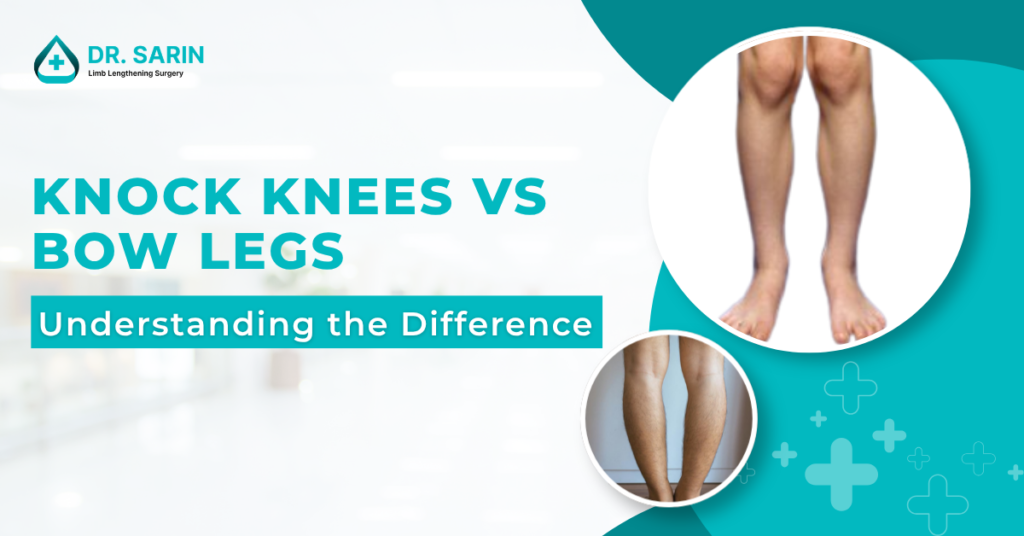
The alignment of the legs plays an important role in the overall appearance and function of the lower limbs. While most people are familiar with the terms “knock knees” and “bow legs,” many are unsure about the difference between these two conditions. At first glance, both conditions involve changes in leg alignment. However, they affect the legs in opposite ways. Understanding the difference between knock knees and bow legs can help individuals recognize their condition and better understand how lower limb alignment varies from person to person. What Are Knock Knees? Knock knees, medically known as genu valgum, is a condition in which the knees angle inward toward each other when standing. In a person with knock knees, the knees may touch or come close together while the ankles remain apart. This creates an inward alignment of the legs that is visible when standing upright. The degree of inward angulation can vary from mild to more noticeable. Some individuals have only a slight alignment difference, while others have a more pronounced appearance. What Are Bow Legs? Bow legs, medically known as genu varum, is the opposite of knock knees. In a person with bow legs, the knees remain apart when standing with the feet and ankles together. Instead of angling inward, the legs curve outward, creating a bow-like appearance. Like knock knees, bow legs can range from mild to severe. The condition affects the alignment of the lower limbs and changes the overall appearance of the legs. The Main Difference Between Knock Knees and Bow Legs The easiest way to understand the difference is to look at the position of the knees and ankles while standing. With knock knees, the knees move inward toward each other while the ankles remain separated. With bow legs, the ankles may come together while the knees remain apart. In simple terms: Knock knees create an inward angle at the knees. Bow legs create an outward curve of the legs. Because the alignment changes occur in opposite directions, the appearance of the two conditions is very different. How Do Knock Knees Look? When a person with knock knees stands naturally: The knees touch or nearly touch. A gap remains between the ankles. The lower legs angle outward below the knees. The legs appear to form an inward alignment. The condition is often easiest to notice when standing with the legs straight and facing forward. How Do Bow Legs Look? When a person with bow legs stands naturally: The ankles may be close together. A gap remains between the knees. The legs curve outward. The lower limbs form a bow-shaped appearance. This outward curvature is the feature that gives bow legs their common name. Are Both Conditions Related to Leg Alignment? Yes. Both knock knees and bow legs are considered lower limb alignment variations. The difference lies in the direction of the alignment change. In genu valgum, the knees move inward. In genu varum, the knees move outward. Because alignment influences the position of the hips, knees, and ankles, both conditions affect the overall structure of the lower limbs. Although the appearance differs, both conditions involve the way the bones are positioned relative to one another. Can Children Have Knock Knees and Bow Legs? Both conditions can be seen during childhood growth and development. Children experience several natural changes in leg alignment as they grow. During different stages of development, some degree of bowing or inward angulation may occur as part of normal skeletal growth. Because growth patterns vary among children, the appearance of the legs can change significantly during the early years of life. Understanding the difference between knock knees and bow legs helps parents recognize these alignment variations more easily. Can Adults Have Knock Knees and Bow Legs? Yes. Both conditions can be present in adults. Some adults have retained the alignment pattern they developed during childhood, while others may notice alignment changes later in life. The appearance and severity of both knock knees and bow legs can vary considerably. Some individuals have only a mild difference in alignment, while others have a more noticeable deformity. Adult cases often require a more detailed understanding of the underlying alignment and bone structure. Which Condition Is More Common? There is no simple answer because both knock knees and bow legs can occur at different stages of life. Certain alignment patterns are commonly seen during childhood development, while others may persist into adulthood. The frequency of each condition can vary depending on age, growth patterns, and individual skeletal characteristics. Rather than focusing on which condition is more common, it is more important to understand the specific alignment pattern affecting an individual. Why Is It Important to Know the Difference? Many people confuse knock knees and bow legs because both involve changes in the appearance of the legs. However, identifying the correct condition is important for understanding lower limb alignment. Knowing whether the knees angle inward or outward helps individuals describe their concerns more accurately and seek appropriate orthopedic guidance when necessary. A basic understanding of these conditions also makes it easier to discuss leg alignment, posture, and orthopedic health with a specialist. Expert Perspective from Dr. Amar Sarin Although knock knees and bow legs may appear similar to those unfamiliar with orthopedic conditions, they represent opposite types of lower limb alignment. According to Dr. Amar Sarin, an orthopedic surgeon with extensive experience in Bow Leg & Knock Knee Tretment, accurately identifying the nature of the alignment difference is an important step in understanding the condition. A detailed evaluation helps determine the degree of deformity and provides valuable insight into the most appropriate management approach for each individual. Conclusion: Knock Knees vs Bow Legs Knock knees and bow legs are two different conditions that affect lower limb alignment in opposite ways. In knock knees, the knees angle inward while the ankles remain apart. In bow legs, the knees remain apart while the legs curve outward. Understanding the difference between these conditions helps individuals recognize their alignment pattern
Knock Knees in Adults: Understanding Genu Valgum After Skeletal Maturity
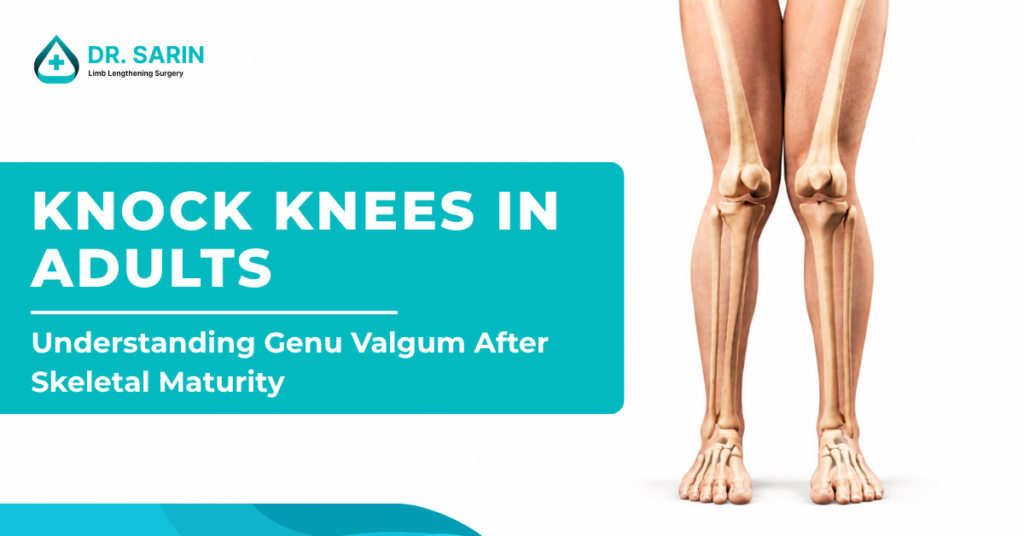
When most people think of knock knees, they often associate the condition with childhood. However, knock knees can also affect adults. In some individuals, the condition has been present since childhood and continues into adulthood, while others may notice changes in their leg alignment later in life. Knock knees, medically known as genu valgum, occurs when the knees angle inward while the ankles remain apart when standing. Although the condition is commonly discussed in relation to growing children, it is not limited to younger age groups. Adults can also experience genu valgum, and the condition may affect the appearance and alignment of the lower limbs. Understanding knock knees in adults can help individuals recognize the condition and better understand how leg alignment may change over time. Can Adults Have Knock Knees? Yes, adults can have knock knees. In fact, many adults live with genu valgum without realizing that their leg alignment differs from what is typically considered normal. Some individuals have had knock knees since childhood. As they grow older, the alignment remains relatively unchanged and becomes part of their natural skeletal structure. Others may become more aware of the condition as they pay closer attention to their posture, walking pattern, or leg appearance. The severity of knock knees in adults can vary widely. Some people have a mild inward angulation that is barely noticeable, while others have a more pronounced alignment difference. Why Do Some Adults Still Have Knock Knees? One reason adults may have knock knees is that the condition persisted beyond childhood growth and development. If the alignment does not naturally improve during the growing years, it may remain present after skeletal maturity. In other cases, changes in the bones or joints over time can influence leg alignment. The lower limbs are complex structures that support body weight and movement throughout life. Various factors can affect how these structures function and align. Because every individual has a unique skeletal framework, the reasons behind adult knock knees can differ from person to person. Can Knock Knees Develop in Adulthood? While some adults have had genu valgum since childhood, others may notice the condition becoming more apparent later in life. Changes affecting the bones, joints, or overall lower limb mechanics can sometimes contribute to the development of inward knee alignment after skeletal maturity. In these situations, the appearance of knock knees may gradually increase over time rather than being present from an early age. For this reason, adults who notice new changes in their leg alignment often seek professional guidance to better understand what may be contributing to the condition. What Do Knock Knees Look Like in Adults? The appearance of knock knees in adults is similar to that seen in younger individuals. When standing with the knees touching or close together, a gap remains between the ankles. From the front, the legs appear to angle inward at the knees. Depending on the degree of genu valgum, this alignment change may be subtle or more noticeable. Many adults first recognize knock knees after observing their posture in photographs, noticing differences in the way their legs appear when standing, or comparing their alignment with others. How Common Are Knock Knees in Adults? Knock knees are less commonly discussed in adults than in children, but they are not rare. Many adults have mild variations in leg alignment that fall within a broad spectrum of normal anatomical differences. The visibility of the condition often depends on its severity. Mild genu valgum may attract little attention, whereas more pronounced alignment differences may be easier to notice. Because leg alignment exists on a continuum, there is no single appearance that defines every case of adult knock knees. Do Knock Knees Become More Noticeable with Age? Some adults feel that their knock knees have become more noticeable over time. This perception may be related to changes in posture, body weight, muscle strength, or joint health. In other cases, the alignment itself may not have changed significantly, but the individual becomes more aware of it as they age. Greater attention to physical appearance, movement, or orthopedic health can make previously overlooked alignment differences more apparent. Understanding the condition can help individuals distinguish between long-standing alignment patterns and changes that may warrant further evaluation. Can Knock Knees Affect Daily Life? The impact of knock knees varies from person to person. Some adults live with genu valgum without experiencing any significant concerns, while others become more aware of the condition due to its appearance or the way it influences movement. The degree of alignment difference often plays a role in how noticeable the condition becomes during everyday activities. Because each case is unique, the experience of living with knock knees can differ considerably among individuals. Understanding the condition is an important first step toward determining whether further assessment may be beneficial. Why Understanding Adult Knock Knees Is Important? Many adults assume that knock knees are only a childhood condition. As a result, they may not realize that genu valgum can persist into adulthood or develop later in life. Learning about adult knock knees helps individuals better understand lower limb alignment and recognize variations in skeletal structure. It also encourages greater awareness of how the hips, knees, and ankles work together to support posture and movement. A better understanding of genu valgum can provide valuable insight into overall orthopedic health and leg alignment. Expert Perspective from Dr. Amar Sarin Knock knees in adults can present differently from one person to another. According to Dr. Amar Sarin, an orthopedic surgeon with extensive experience in Knock Knee Correction, adult genu valgum may range from mild alignment variations to more significant deformities. Understanding the nature of the condition and the factors contributing to the alignment difference is an important step in determining the most appropriate course of action. A detailed orthopedic evaluation can provide valuable insight into lower limb alignment and individual patient needs. Conclusion About Knock Knees in Adults Knock knees in adults is a condition in which the knees
How to Correct Knock Knees?
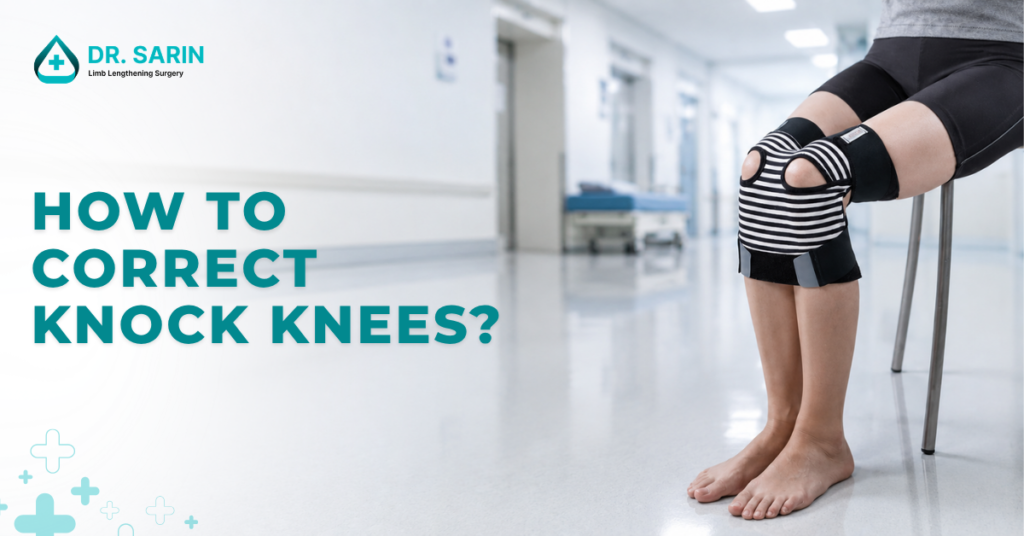
Many people who have knock knees often wonder whether the condition can be improved and, more importantly, how correction is achieved. The answer depends on several factors, including age, the severity of the alignment, and the underlying reason for the condition. There is no single approach that works for everyone. Understanding how knock knees are corrected can help individuals gain a clearer picture of the options that may be available. Understanding Knock Knee Correction Before discussing correction, it is important to understand that knock knees can vary significantly from person to person. Some individuals have only a mild inward angulation of the knees, while others may experience a more noticeable change in lower limb alignment. Because genu valgum exists on a spectrum, the method of correction is often tailored to the individual’s specific situation. Factors such as bone structure, growth stage, and overall orthopedic health all influence the approach that may be considered. Correction focuses on improving lower limb alignment and restoring a more balanced relationship between the hips, knees, and ankles. Correcting Knock Knees in Children Children are still growing, which means their bones and growth plates continue to develop. During certain stages of childhood, knock knees may be a normal part of growth and can improve as skeletal development progresses. When correction is considered in growing children, the approach often takes advantage of the body’s natural growth potential. Since the bones are still developing, alignment may change over time under appropriate orthopedic guidance. The specific strategy depends on the child’s age, growth potential, and the degree of genu valgum present. Correcting Knock Knees in Adults Adults have completed skeletal growth, which means their bones no longer change naturally through growth and development. As a result, correcting knock knees in adults requires a different approach than in children. Adult correction focuses on addressing the existing alignment of the lower limbs. The method chosen depends on the severity of the deformity, the condition of the joints, and the individual’s overall orthopedic health. Many adults seek correction because they are concerned about the appearance of their legs, while others want to better understand their alignment and available options. Can Exercises Correct Knock Knees? One of the most frequently asked questions is whether exercises can correct knock knees. Exercises can play an important role in supporting overall strength, flexibility, and joint function. Strong muscles help support the lower limbs and contribute to better movement patterns. However, the ability of exercise alone to change the actual alignment of the bones depends on the nature of the condition. Because genu valgum involves skeletal alignment, the degree of correction achievable through exercise varies from person to person. Understanding the underlying cause of knock knees is essential before determining the role that exercise may play. Can Lifestyle Changes Help? Healthy lifestyle habits can contribute to overall orthopedic health. Maintaining an appropriate body weight, staying physically active, and supporting bone health through proper nutrition can all benefit the musculoskeletal system. Lifestyle measures may help reduce stress on the joints and improve overall function. However, the extent to which these changes influence knock knee alignment depends on the individual circumstances. While healthy habits are valuable, they should be viewed as part of a broader understanding of lower limb health rather than a universal solution for correcting genu valgum. When Is Medical Correction Considered? Medical correction may be considered when the alignment difference is significant, persistent, or affecting an individual’s quality of life. The decision depends on several factors, including age, severity, bone structure, and overall orthopedic evaluation. A detailed assessment helps determine the nature of the deformity and whether correction may be beneficial. Because every case is unique, there is no standard answer that applies to all individuals with knock knees. Modern Approaches to Knock Knee Correction Advances in orthopedic surgery and deformity correction have significantly improved the ability to address lower limb alignment problems. Modern correction techniques focus on carefully evaluating the alignment of the bones and developing an individualized plan based on the patient’s specific needs. These approaches are designed to improve the mechanical alignment of the lower limbs and restore a more balanced leg structure. The choice of approach varies depending on the person’s age, skeletal maturity, and the characteristics of the deformity. Why Professional Evaluation Is Important? Many people search online for ways to correct knock knees, but determining the most appropriate approach requires an accurate understanding of the condition itself. A professional orthopedic assessment provides valuable information about the degree of genu valgum, the factors contributing to the alignment, and the options that may be available. It also helps establish realistic expectations regarding correction and outcomes. Since no two individuals have exactly the same alignment pattern, personalized evaluation remains one of the most important steps in the correction process. Expert Insight from Dr. Amar Sarin Correcting knock knees requires a thorough understanding of lower limb alignment and the factors contributing to the deformity. According to Dr. Amar Sarin, an orthopedic surgeon with extensive experience in Knock knee correction, the most appropriate correction strategy depends on the individual’s age, skeletal development, and degree of genu valgum. A detailed evaluation helps identify the nature of the alignment issue and provides a clearer understanding of the options available for improving leg alignment. Conclusion: How to Correct Knock Knees? Learning how to correct knock knees begins with understanding the condition itself. Because genu valgum can vary in severity and may affect both children and adults differently, there is no one-size-fits-all solution. Correction may involve different approaches depending on age, growth potential, bone structure, and overall orthopedic health. By understanding the factors involved and seeking expert guidance when necessary, individuals can gain a clearer understanding of their alignment and the possibilities for correction.
Can Knock Knees Be Corrected?
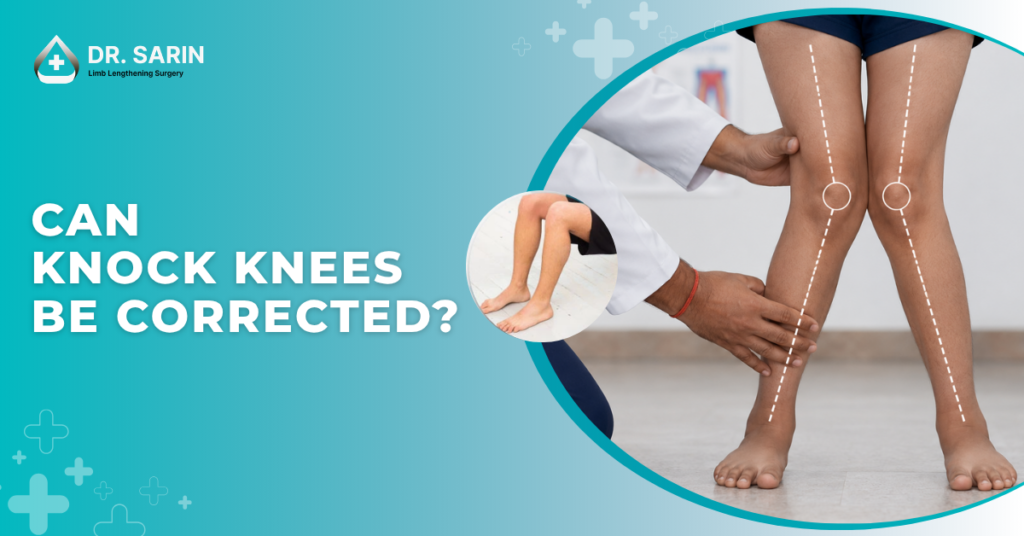
Many people who notice their knees turning inward often ask the same question: Can knock knees be corrected? Whether the condition has been present since childhood or has become more noticeable over time, it is natural to wonder if the alignment of the legs can be improved. The simple answer is yes, knock knees can often be corrected. However, the approach depends on several factors, including a person’s age, the severity of the alignment, and the underlying reason for the condition. Because every case is different, understanding how knock knees develop and how correction is possible can help individuals make informed decisions about their orthopedic health. Understanding Knock Knees Knock knees, medically known as genu valgum, is a condition in which the knees angle inward while the ankles remain apart when standing. The inward positioning of the knees changes the alignment of the lower limbs and creates the characteristic appearance associated with the condition. The degree of knock knees can vary significantly. Some individuals have a mild alignment difference that causes little concern, while others may have a more noticeable change in the positioning of their legs. Because the condition exists on a spectrum, the possibility of correction can also vary from one person to another. Can Knock Knees Correct Themselves? In some situations, knock knees may improve without specific intervention. This is particularly true during certain stages of childhood growth and development. As children grow, their leg alignment naturally changes. In many cases, the knees gradually move toward a more balanced alignment as skeletal development continues. This is why mild knock knees seen during normal childhood growth may improve over time. However, not all cases resolve on their own. When knock knees persist beyond the expected stages of development or become more pronounced, further evaluation may be beneficial. Can Knock Knees Be Corrected in Adults? A common misconception is that knock knees can only be corrected during childhood. In reality, adults can also seek correction for genu valgum. Unlike children, adults have completed their skeletal growth. This means the bones no longer change naturally through growth and development. However, the alignment of the legs can still be addressed through appropriate orthopedic management when necessary. The extent of correction depends on the individual’s alignment, overall bone structure, and specific circumstances. Many adults seek professional advice after noticing that the appearance of their legs has remained unchanged for years or has become more noticeable over time. Can Mild Knock Knees Be Improved? Mild knock knees may require a different approach than more significant alignment changes. In some individuals, the condition is largely cosmetic and causes little functional concern. Others may notice only a slight inward angle when standing. The degree of improvement that can be achieved often depends on the severity of the alignment difference. Because every person’s anatomy is unique, there is no single answer that applies to everyone. This is one reason why individualized assessment is important when discussing whether knock knees can be corrected. Can Severe Knock Knees Be Corrected? People with more noticeable genu valgum often wonder whether significant alignment changes can be improved. The answer is generally yes, although the correction process may differ depending on the extent of the deformity. Modern orthopedic techniques have made it possible to address a wide range of lower limb alignment conditions. The specific strategy used depends on factors such as age, bone structure, and the degree of angular deformity. Even when knock knees are severe, understanding the available options can help individuals better evaluate their situation and determine the most appropriate path forward. Can Knock Knees Be Fixed Permanently? Another frequently asked question is whether knock knees can be fixed permanently. The answer depends on the underlying cause of the condition and the method used to address it. In cases where the alignment of the bones is corrected, the improvement is typically intended to provide long-term alignment changes. However, every individual is different. Long-term outcomes can be influenced by factors such as bone health, joint condition, overall body mechanics, and lifestyle considerations. This is why personalized evaluation remains an important part of understanding what level of correction may be possible. Can Knock Knees Be Reversed Naturally? Many people search online for natural ways to reverse knock knees. While maintaining good overall health, strength, and mobility is important, the possibility of naturally changing bone alignment depends on several factors. In growing children, natural developmental changes may influence alignment over time. In adults, however, the bones have already matured, which limits the body’s ability to naturally alter skeletal alignment. Because the causes and severity of knock knees vary widely, there is no universal natural solution that works for everyone. Understanding the specific nature of the condition is essential before considering any approach. Why Professional Evaluation Matters The question “Can knock knees be corrected?” cannot always be answered with a simple yes or no. The most accurate answer depends on the individual’s age, alignment pattern, medical history, and overall orthopedic condition. A professional evaluation helps determine the degree of genu valgum and whether the alignment falls within expected limits or requires further attention. It also provides a clearer understanding of what type of correction may be possible and what outcomes can realistically be expected. Because no two cases are identical, personalized assessment plays a key role in understanding available options. Expert Insight from Dr. Amar Sarin The possibility of correcting knock knees depends on several factors, including the severity of the deformity and the individual’s stage of skeletal development. According to Dr. Amar Sarin, an orthopedic surgeon with extensive experience in Knock Knees Correction Surgery, many cases of genu valgum can be evaluated and managed based on the patient’s specific alignment and orthopedic needs. A detailed assessment helps determine the nature of the condition and provides valuable insight into the options that may be available for improving lower limb alignment. Conclusion: Can Knock Knees Be Corrected? So, can knock knees be corrected? In many cases, yes. The potential for correction depends
What Causes Knock Knees?
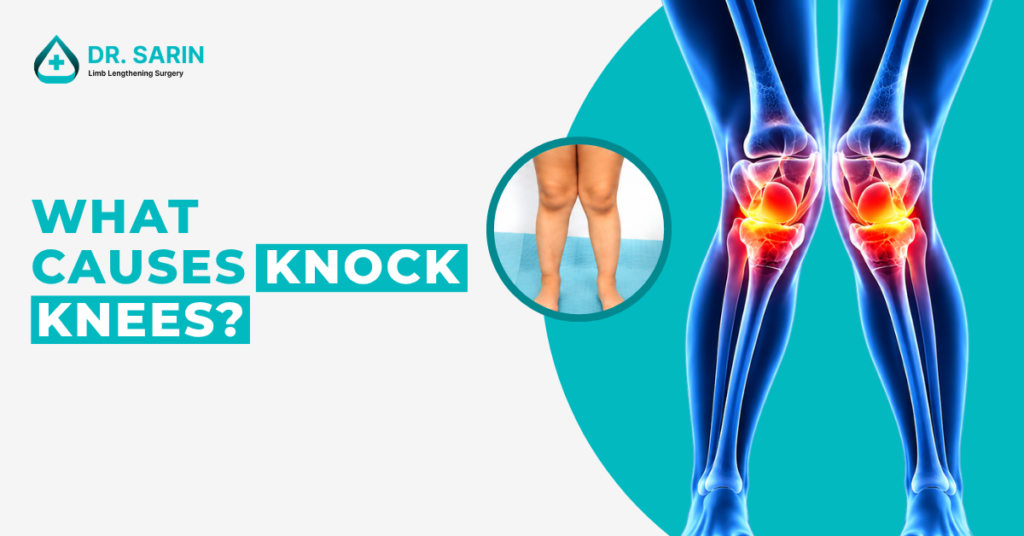
What Causes Knock Knees?: Knock knees, medically known as genu valgum, is a condition in which the knees angle inward while the ankles remain apart when standing. While many people are familiar with the appearance of knock knees, fewer understand why this alignment develops in the first place. The causes of knock knees can vary depending on a person’s age, overall health, and bone development. In some cases, knock knees are a normal part of growth, while in others they may be associated with underlying conditions that affect bone alignment. Understanding the possible causes of knock knees can help individuals better understand the condition and its development. Normal Growth and Development One of the most common causes of knock knees is normal childhood growth and development. As children grow, their leg alignment naturally changes through different stages. Many young children experience a period during which their knees angle inward. This is often considered a normal part of skeletal development. As growth continues, the alignment of the legs usually changes and becomes more balanced over time. Because leg alignment evolves throughout childhood, the appearance of knock knees at certain ages does not always indicate a problem. Growth-related genu valgum is often a natural developmental phase. Genetic Factors Genetics can also play a role in the development of knock knees. Just as height, body structure, and facial features can be inherited, certain characteristics of bone alignment may run in families. Some individuals may naturally have a greater tendency toward inward knee alignment due to inherited skeletal traits. In these cases, the overall shape and positioning of the lower limbs may be influenced by genetic factors that affect bone growth and alignment. A family history of lower limb alignment variations may sometimes be observed in people with knock knees. Nutritional Deficiencies Healthy bone development depends on proper nutrition. Nutrients such as vitamin D and calcium play important roles in maintaining strong bones and supporting normal skeletal growth. When the body does not receive sufficient nutrients during critical growth periods, bone development may be affected. This can influence the way bones grow and align, potentially contributing to changes in leg positioning. Conditions associated with nutritional deficiencies have historically been linked to abnormalities in bone structure and lower limb alignment, including genu valgum. Bone and Growth Disorders Certain bone and growth-related disorders can affect the way the lower limbs develop. These conditions may influence the growth plates, bone structure, or overall skeletal alignment. When normal bone growth is disrupted, the legs may gradually develop an inward angulation at the knees. Depending on the underlying condition, the degree of alignment change can vary significantly. Various developmental disorders that affect the skeleton may be associated with knock knees as one of their physical characteristics. Injuries Affecting Bone Growth In some cases, knock knees may develop following injuries that affect the bones around the knee or growth plates. Growth plates are areas of developing tissue located near the ends of children’s bones. These structures play a crucial role in determining how bones grow. If a growth plate is damaged, the affected bone may not develop in the usual way. Changes in bone growth following an injury can sometimes alter leg alignment, leading to differences in the positioning of the knees and lower limbs. Obesity and Increased Pressure on the Legs Excess body weight may influence lower limb alignment, particularly during childhood. The legs support the body’s weight during standing, walking, and other daily activities. When additional pressure is placed on developing bones and joints, it may affect the way the lower limbs align over time. Researchers have observed an association between obesity and an increased likelihood of genu valgum in some individuals. While body weight alone does not necessarily cause knock knees, it may contribute to alignment changes in certain situations. Joint and Bone Conditions in Adults Although knock knees are often associated with childhood development, they can also occur in adults. In some cases, changes within the joints or bones may gradually alter leg alignment over time. Conditions that affect joint structure, bone quality, or lower limb stability may contribute to the development of genu valgum in adulthood. These changes can occur slowly and may become more noticeable as alignment shifts over the years. Adult-onset knock knees are often linked to factors that influence the health and structure of the knee joint and surrounding bones. Can More Than One Factor Cause Knock Knees? Yes. In many cases, knock knees may not result from a single cause. Multiple factors can influence leg alignment at the same time. For example, genetics may affect the basic structure of the lower limbs, while growth patterns, nutrition, and overall health contribute to how the bones develop over time. Similarly, a person may have a natural tendency toward genu valgum that becomes more noticeable due to other contributing factors. Because every individual is different, the underlying causes of knock knees can vary from person to person. Why Understanding the Cause of Knock Knees Matters? Understanding the cause of knock knees is important because it provides insight into how the condition develops. The reasons behind genu valgum can differ significantly depending on age, medical history, growth patterns, and overall skeletal health. Recognizing that knock knees may result from developmental, genetic, nutritional, or structural factors helps individuals better understand the condition and its potential origins. This knowledge can also be valuable when discussing concerns about leg alignment with a healthcare professional. Expert Perspective on Knock Knees Knock knees can develop for a variety of reasons, and identifying the underlying cause is often an important part of understanding the condition. According to Dr. Amar Sarin, an experienced orthopedic surgeon specializing in knock knees correction surgery, genu valgum may be associated with normal growth patterns, inherited skeletal traits, nutritional factors, injuries, or other conditions that affect bone alignment. Because every patient is unique, understanding the factors contributing to knock knees can help provide greater clarity regarding lower limb alignment and overall orthopedic health. Conclusion: What Causes