
What is Knock Knees?
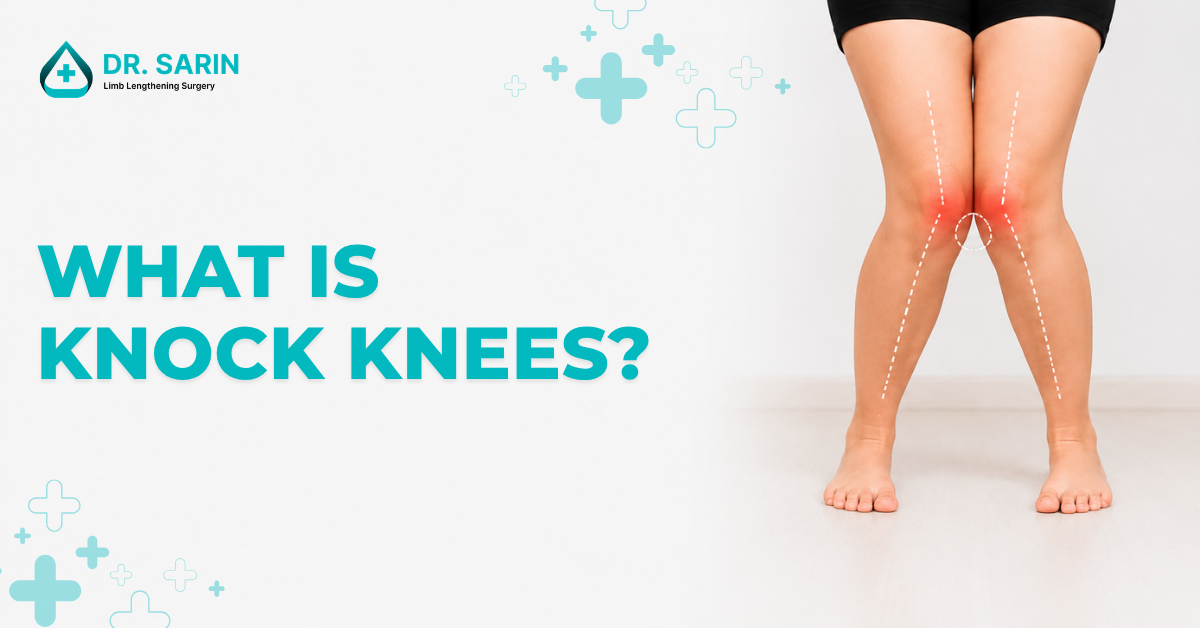
Knock knees is a condition in which a person’s knees angle inward and touch or come close to touching each other when standing straight, while the ankles remain apart. The medical term for this condition is genu valgum. It affects the alignment of the legs and changes the way the lower limbs appear when viewed from the front.
Many people notice the appearance of knock knees when looking in a mirror or comparing their leg alignment with others. In some cases, the inward positioning of the knees may be mild and barely noticeable, while in others it may be more obvious. Understanding what knock knees are is the first step toward recognizing this common leg alignment condition.
What Does Knock Knees Mean?
The term “knock knees” comes from the way the knees appear to move toward each other. When a person with knock knees stands with their legs straight, the knees may touch or nearly touch, but the ankles remain separated. This creates an inward angle in the legs that is different from normal lower limb alignment.
Knock knees are considered a type of alignment variation involving the lower limbs. The condition can affect one leg more than the other, although it is commonly seen on both sides. The degree of inward angulation can vary from person to person, making each case unique.
The medical name, genu valgum, is often used by orthopedic specialists to describe this alignment pattern. While the term may sound complex, it simply refers to the inward positioning of the knees relative to the rest of the leg.
How Do Knock Knees Look?
The appearance of knock knees is usually easy to recognize. When a person stands upright with their knees together, a noticeable gap may remain between the ankles. This differs from normal leg alignment, where the knees and ankles are generally positioned in a more balanced manner.
From the front, the legs may appear to form an inward angle at the knees. The thighs angle slightly toward each other, causing the knees to come closer together than usual. The lower part of the legs then angles outward toward the ankles.
The appearance can vary depending on the degree of alignment change. Some individuals have only a slight inward angle, while others may have a more pronounced difference in leg positioning.
Understanding Leg Alignment in Knock Knees
To understand knock knees, it helps to first understand normal leg alignment. In a normally aligned lower limb, the hips, knees, and ankles work together to create a relatively straight line that supports balanced movement and weight distribution.
With knock knees, this alignment shifts inward at the knee joint. Instead of following a straight path from the hip to the ankle, the leg forms a slight inward angle at the knee. This altered alignment is what gives the condition its characteristic appearance.
Leg alignment plays an important role in the overall structure of the body. The position of the knees influences how the lower limbs are arranged and how they appear during standing and walking. Knock knees represent one variation of this alignment pattern.
Knock Knees vs Normal Leg Alignment
One of the easiest ways to understand knock knees is to compare them with normal leg alignment.
In a person with typical leg alignment, the knees and ankles are positioned in a way that creates a relatively straight appearance when standing. The legs appear balanced, with no significant inward or outward angulation.
In a person with knock knees, the knees move inward toward each other. As a result, the ankles remain farther apart even when the knees touch. This difference in positioning creates the distinctive appearance associated with genu valgum.
Recognizing this visual difference can help individuals better understand whether their leg alignment resembles knock knees.
Can Knock Knees Affect One or Both Legs?
Knock knees are commonly seen in both legs. In these situations, the inward angulation appears on both sides, creating a symmetrical appearance.
However, the condition does not always affect both legs equally. Some individuals may notice that one knee angles inward more than the other. This can create a slightly uneven appearance in the lower limbs.
The degree of alignment change can differ from person to person. Some people have only a mild variation, while others have a more noticeable inward positioning of the knees.
Why Is It Important to Understand Knock Knees?
Understanding knock knees is important because it helps people recognize changes in their leg alignment and body structure. Many individuals become aware of the condition after noticing differences in the appearance of their legs, posture, or stance.
Being familiar with the characteristics of genu valgum can help individuals better understand what they are seeing and discuss their concerns more confidently with a healthcare professional if needed. It also helps parents recognize leg alignment variations in growing children and seek appropriate guidance when necessary.
Knowledge is often the first step toward making informed decisions about orthopedic health. By understanding what knock knees are, individuals can gain a clearer picture of their lower limb alignment and overall leg structure.
Understanding Knock Knees with Expert Guidance
While learning about knock knees provides valuable insight into leg alignment, every individual is different. The appearance and degree of genu valgum can vary significantly from one person to another.
Dr. Amar Sarin, an experienced orthopedic surgeon specializing in limb deformity correction, has evaluated and treated patients with a wide range of lower limb alignment conditions. Understanding the nature of knock knees is an important part of recognizing alignment differences and determining whether further orthopedic evaluation may be beneficial. Professional guidance can help individuals better understand their specific condition and the options available to them.
Contact Us for: Knock Knees Treatment
Conclusion
Knock knees, medically known as genu valgum, is a condition in which the knees angle inward while the ankles remain apart. It is a variation in lower limb alignment that changes the appearance of the legs and can affect one or both sides.
Understanding what knock knees are helps individuals recognize the condition and become more aware of their leg alignment. By learning about genu valgum and its characteristic appearance, people can gain a better understanding of their orthopedic health and make informed decisions when seeking further guidance.