
Many adults live with bow legs for years without realizing that treatment options are available.
Some have had the condition since childhood. Others develop it gradually due to arthritis, bone disorders, or previous injuries.
At first, the issue may seem purely cosmetic.
However, as time passes, many people begin noticing symptoms such as knee pain, difficulty walking, uneven posture, and reduced mobility.
This naturally leads to an important question:
How to correct bow legs in adults?
The answer depends on the severity of the deformity, its underlying cause, and the overall health of the knee joint.
In this guide, we’ll explain what can and cannot correct bow legs in adults and when professional treatment may be necessary.
Can Bow Legs Be Corrected in Adults?
Yes.
Bow legs can be corrected in adults.
However, it’s important to understand that adult bones have finished growing.
Unlike children, adults cannot rely on natural growth to straighten the legs.
The treatment approach therefore focuses on improving alignment, reducing symptoms, and correcting the underlying deformity.
The best solution depends on:
- The severity of bowing
- Presence of arthritis
- Bone structure
- Age
- Activity level
- Overall joint health
What Causes Bow Legs in Adults?
Before discussing treatment, it’s important to identify the cause.
Adult bow legs may develop due to:
- Untreated childhood bow legs
- Osteoarthritis
- Blount’s disease
- Vitamin D deficiency
- Rickets
- Previous fractures
- Bone deformities
- Genetic conditions
Understanding the root cause helps determine the most effective treatment plan.
Can Exercise Correct Bow Legs?
This is one of the most common questions patients ask.
The honest answer is:
Exercise cannot straighten bones that are already misaligned.
Many websites claim that stretching or strengthening exercises can completely correct bow legs.
Unfortunately, this is not true for adults.
Once bone growth is complete, exercises cannot reshape the bones.
However, exercise can still provide important benefits.
It may help:
- Improve muscle strength
- Increase flexibility
- Support knee stability
- Reduce discomfort
- Improve walking mechanics
Think of exercise as a supportive treatment rather than a permanent correction.
Exercises That May Help Manage Symptoms
Although they won’t straighten the legs, certain exercises may improve overall function. These include:
Quadriceps Strengthening: Strong thigh muscles provide better support to the knee joint.
Hamstring Stretching: Improved flexibility can reduce strain on surrounding structures.
Hip Strengthening Exercises: Strong hip muscles help improve overall lower limb mechanics.
Low-Impact Activities: Activities such as:
- Swimming
- Cycling
- Walking on flat surfaces
can help maintain mobility while reducing stress on the knees.
Always consult a specialist before starting any exercise program if significant deformity exists.
Can Braces Correct Bow Legs in Adults?
Braces are sometimes recommended to improve comfort and stability. However, adults should understand an important limitation: Braces generally do not permanently correct bow leg deformities after skeletal maturity.
They may provide:
- Temporary support
- Improved walking comfort
- Better knee alignment during activity
But they cannot change the shape of the bones.
When Is Treatment Necessary?
Not everyone with bow legs requires treatment. However, medical evaluation is recommended if you experience:
- Knee pain
- Progressive deformity
- Walking difficulties
- Joint stiffness
- Reduced physical activity
- Uneven leg alignment
- Early signs of arthritis
The earlier the condition is assessed, the easier it may be to prevent further joint damage.
How Are Bow Legs Evaluated?
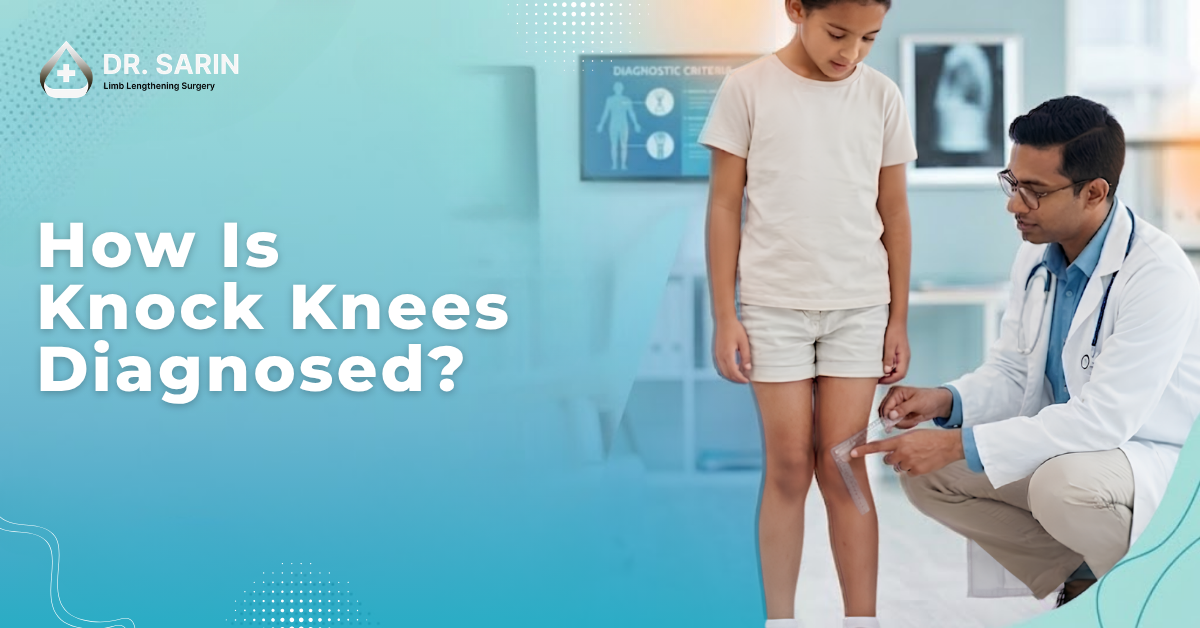
An orthopedic specialist typically performs:
Physical Examination
This helps assess:
- Leg alignment
- Walking pattern
- Knee stability
- Joint movement
Standing X-Rays
These images reveal:
- Severity of bowing
- Joint wear
- Bone structure
- Alignment abnormalities
Accurate imaging is essential before deciding on treatment.
Non-Surgical Treatment Options
Mild bow leg deformities may be managed conservatively.
Weight Management: Excess body weight increases pressure on already stressed knee joints. Maintaining a healthy weight may help reduce symptoms.
Physical Therapy: A structured rehabilitation program may improve: Strength, Flexibility, Balance, and Walking mechanics.
Pain Management: Depending on symptoms, treatment may include: Anti-inflammatory medications, Lifestyle modifications, and Activity adjustments.
While these approaches help manage discomfort, they do not correct the underlying bone alignment.
When Is Surgery Recommended?
Surgery may be considered when:
- Bowing is severe
- Knee pain becomes significant
- Walking is affected
- Arthritis is developing
- Conservative treatments fail
The goal is not simply cosmetic improvement.
The primary objective is restoring proper alignment and protecting the knee joint from further damage.
Surgical Correction for Bow Legs
Modern orthopedic correction procedures can effectively straighten the legs and restore mechanical alignment. Bow legs correction surgery may help:
- Improve leg alignment
- Reduce knee stress
- Relieve pain
- Improve posture
- Enhance mobility
- Slow joint degeneration
For many adults with moderate to severe deformities, surgery offers the most predictable long-term solution.
What Is Recovery Like After Bow Leg Correction?
Recovery varies depending on:
- Type of procedure
- Severity of deformity
- Patient health
- Rehabilitation progress
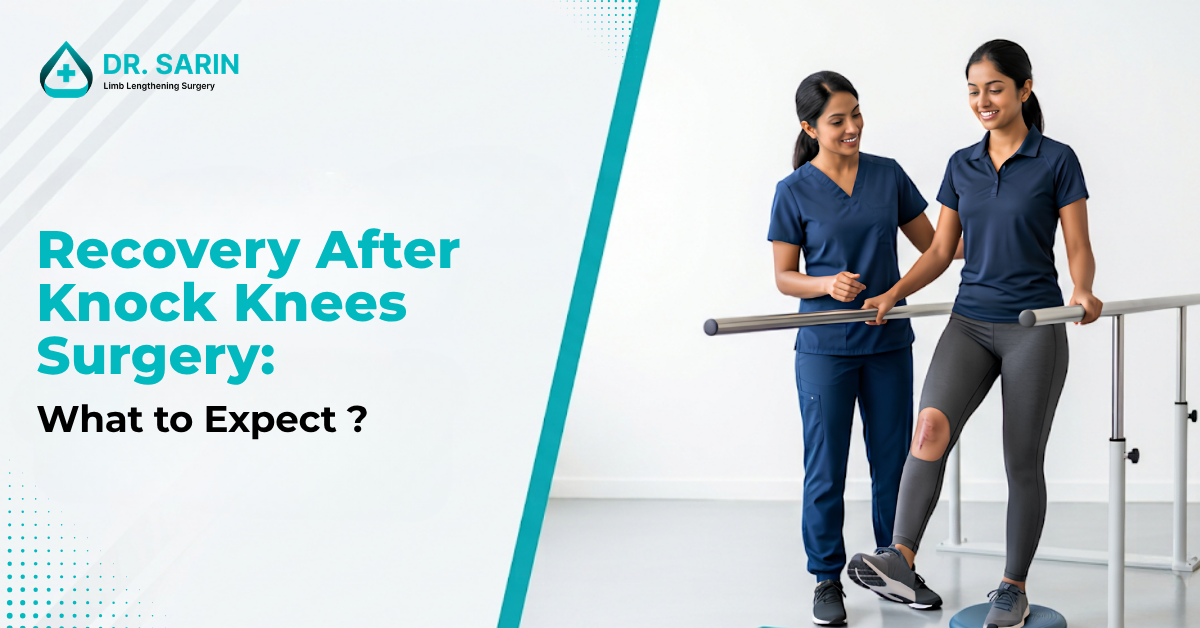
Most treatment plans include:
- Guided physiotherapy
- Progressive weight-bearing
- Strengthening exercises
- Regular follow-up evaluations
The goal is to safely restore function while achieving optimal alignment.
What Happens If Bow Legs Are Left Untreated?
Ignoring significant bow legs can lead to ongoing stress on the knee joint. Potential complications include:
- Progressive arthritis
- Chronic knee pain
- Joint degeneration
- Reduced mobility
- Difficulty walking
- Poor posture
Early intervention often helps prevent these long-term issues.
Can Adults Achieve Normal-Looking Legs After Treatment?
In many cases, yes.
Modern orthopedic correction techniques are designed to improve both function and appearance. Many patients experience:
- Straighter leg alignment
- Better walking mechanics
- Reduced discomfort
- Improved confidence
- Enhanced quality of life
The exact outcome depends on the severity of the deformity and the chosen treatment approach.
Final Thoughts: How to Correct Bow Legs in Adults?
If you’re wondering how to correct bow legs in adults, the most important step is identifying the underlying cause and severity of the condition.
While exercises and therapy can help manage symptoms, they cannot permanently straighten adult bones.
For individuals with significant deformity, persistent pain, or worsening alignment, professional orthopedic evaluation is essential.
With modern treatment options, many adults can achieve improved alignment, better mobility, and long-term joint health.
The sooner the condition is assessed, the better the opportunity to protect your knees and maintain an active lifestyle.
FAQs About Bow Legs Correcton in Adults?
Q 1. Can bow legs be corrected naturally in adults?
No. Once bone growth is complete, adult bow legs do not correct naturally. Professional evaluation is usually required.
Q 2. Can exercise straighten bow legs?
Exercises can strengthen muscles and improve function but cannot permanently straighten misaligned bones in adults.
Q 3. What is the best treatment for bow legs in adults?
The best treatment depends on the severity and cause. Mild cases may be managed conservatively, while severe deformities often require surgical correction.
Q 4. Is bow leg correction surgery painful?
Modern surgical techniques and rehabilitation protocols are designed to manage discomfort effectively and support recovery.
Q 5. When should I see a doctor for bow legs?
You should seek medical evaluation if you experience knee pain, worsening deformity, walking difficulties, or reduced mobility.