
How to Correct Bow Legs in Adults? Treatment Options, Exercises & Surgery
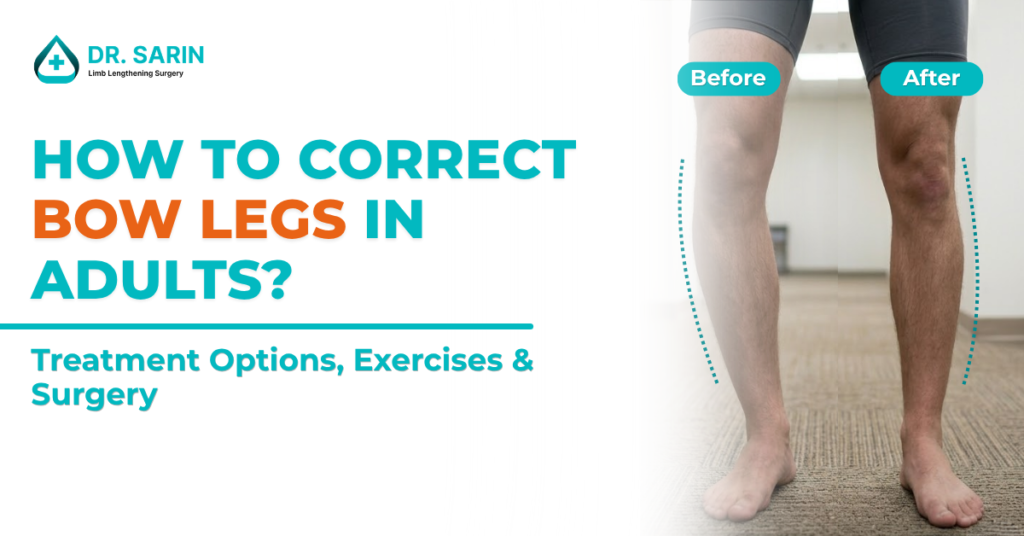
Many adults live with bow legs for years without realizing that treatment options are available. Some have had the condition since childhood. Others develop it gradually due to arthritis, bone disorders, or previous injuries. At first, the issue may seem purely cosmetic. However, as time passes, many people begin noticing symptoms such as knee pain, difficulty walking, uneven posture, and reduced mobility. This naturally leads to an important question: How to correct bow legs in adults? The answer depends on the severity of the deformity, its underlying cause, and the overall health of the knee joint. In this guide, we’ll explain what can and cannot correct bow legs in adults and when professional treatment may be necessary. Can Bow Legs Be Corrected in Adults? Yes. Bow legs can be corrected in adults. However, it’s important to understand that adult bones have finished growing. Unlike children, adults cannot rely on natural growth to straighten the legs. The treatment approach therefore focuses on improving alignment, reducing symptoms, and correcting the underlying deformity. The best solution depends on: The severity of bowing Presence of arthritis Bone structure Age Activity level Overall joint health What Causes Bow Legs in Adults? Before discussing treatment, it’s important to identify the cause. Adult bow legs may develop due to: Untreated childhood bow legs Osteoarthritis Blount’s disease Vitamin D deficiency Rickets Previous fractures Bone deformities Genetic conditions Understanding the root cause helps determine the most effective treatment plan. Can Exercise Correct Bow Legs? This is one of the most common questions patients ask. The honest answer is: Exercise cannot straighten bones that are already misaligned. Many websites claim that stretching or strengthening exercises can completely correct bow legs. Unfortunately, this is not true for adults. Once bone growth is complete, exercises cannot reshape the bones. However, exercise can still provide important benefits. It may help: Improve muscle strength Increase flexibility Support knee stability Reduce discomfort Improve walking mechanics Think of exercise as a supportive treatment rather than a permanent correction. Exercises That May Help Manage Symptoms Although they won’t straighten the legs, certain exercises may improve overall function. These include: Quadriceps Strengthening: Strong thigh muscles provide better support to the knee joint. Hamstring Stretching: Improved flexibility can reduce strain on surrounding structures. Hip Strengthening Exercises: Strong hip muscles help improve overall lower limb mechanics. Low-Impact Activities: Activities such as: Swimming Cycling Walking on flat surfaces can help maintain mobility while reducing stress on the knees. Always consult a specialist before starting any exercise program if significant deformity exists. Can Braces Correct Bow Legs in Adults? Braces are sometimes recommended to improve comfort and stability. However, adults should understand an important limitation: Braces generally do not permanently correct bow leg deformities after skeletal maturity. They may provide: Temporary support Improved walking comfort Better knee alignment during activity But they cannot change the shape of the bones. When Is Treatment Necessary? Not everyone with bow legs requires treatment. However, medical evaluation is recommended if you experience: Knee pain Progressive deformity Walking difficulties Joint stiffness Reduced physical activity Uneven leg alignment Early signs of arthritis The earlier the condition is assessed, the easier it may be to prevent further joint damage. How Are Bow Legs Evaluated? An orthopedic specialist typically performs: Physical Examination This helps assess: Leg alignment Walking pattern Knee stability Joint movement Standing X-Rays These images reveal: Severity of bowing Joint wear Bone structure Alignment abnormalities Accurate imaging is essential before deciding on treatment. Non-Surgical Treatment Options Mild bow leg deformities may be managed conservatively. Weight Management: Excess body weight increases pressure on already stressed knee joints. Maintaining a healthy weight may help reduce symptoms. Physical Therapy: A structured rehabilitation program may improve: Strength, Flexibility, Balance, and Walking mechanics. Pain Management: Depending on symptoms, treatment may include: Anti-inflammatory medications, Lifestyle modifications, and Activity adjustments. While these approaches help manage discomfort, they do not correct the underlying bone alignment. When Is Surgery Recommended? Surgery may be considered when: Bowing is severe Knee pain becomes significant Walking is affected Arthritis is developing Conservative treatments fail The goal is not simply cosmetic improvement. The primary objective is restoring proper alignment and protecting the knee joint from further damage. Surgical Correction for Bow Legs Modern orthopedic correction procedures can effectively straighten the legs and restore mechanical alignment. Bow legs correction surgery may help: Improve leg alignment Reduce knee stress Relieve pain Improve posture Enhance mobility Slow joint degeneration For many adults with moderate to severe deformities, surgery offers the most predictable long-term solution. What Is Recovery Like After Bow Leg Correction? Recovery varies depending on: Type of procedure Severity of deformity Patient health Rehabilitation progress Most treatment plans include: Guided physiotherapy Progressive weight-bearing Strengthening exercises Regular follow-up evaluations The goal is to safely restore function while achieving optimal alignment. What Happens If Bow Legs Are Left Untreated? Ignoring significant bow legs can lead to ongoing stress on the knee joint. Potential complications include: Progressive arthritis Chronic knee pain Joint degeneration Reduced mobility Difficulty walking Poor posture Early intervention often helps prevent these long-term issues. Can Adults Achieve Normal-Looking Legs After Treatment? In many cases, yes. Modern orthopedic correction techniques are designed to improve both function and appearance. Many patients experience: Straighter leg alignment Better walking mechanics Reduced discomfort Improved confidence Enhanced quality of life The exact outcome depends on the severity of the deformity and the chosen treatment approach. Final Thoughts: How to Correct Bow Legs in Adults? If you’re wondering how to correct bow legs in adults, the most important step is identifying the underlying cause and severity of the condition. While exercises and therapy can help manage symptoms, they cannot permanently straighten adult bones. For individuals with significant deformity, persistent pain, or worsening alignment, professional orthopedic evaluation is essential. With modern treatment options, many adults can achieve improved alignment, better mobility, and long-term joint health. The sooner the condition is assessed, the better the opportunity to protect your knees and maintain an active lifestyle. FAQs About Bow Legs Correcton in Adults?
What Causes Bow Legs in Adults? Understanding the Real Reasons Behind Leg Misalignment
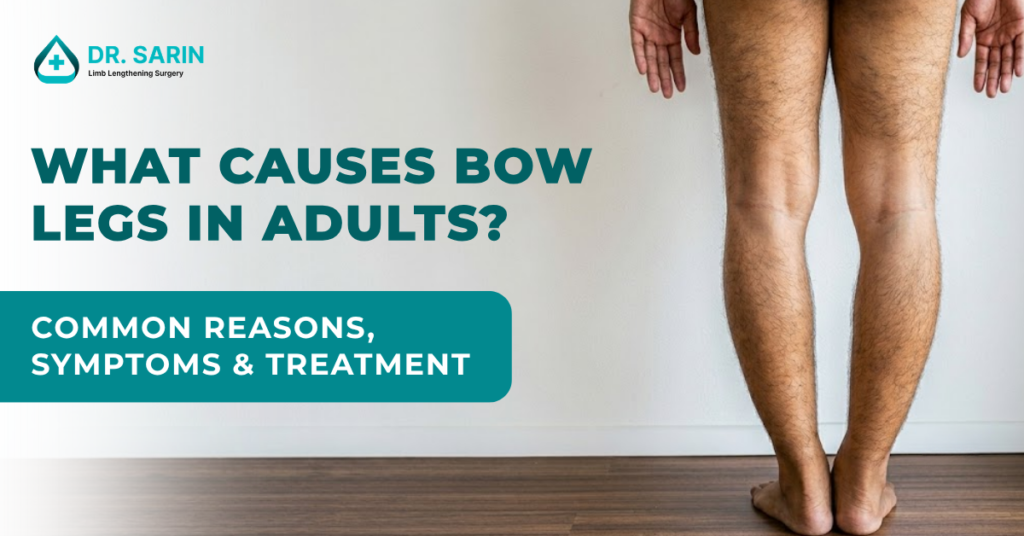
Many people believe bow legs are only a childhood condition. However, that’s not always true. Some adults continue to have bow legs from childhood, while others develop the condition later in life due to joint problems, injuries, or bone disorders. If you’ve noticed your knees staying apart when your feet are together, or you’ve started experiencing knee pain along with a curved leg appearance, you may be wondering: What causes bow legs in adults? Understanding the underlying cause is important because bow legs can affect much more than appearance. Left untreated, the condition may lead to pain, mobility issues, and even early arthritis. In this guide, we’ll explore the common causes of bow legs in adults, associated symptoms, and available treatment options. What Are Bow Legs? Bow legs, medically known as Genu Varum, occur when the legs curve outward, creating a noticeable gap between the knees while the ankles remain close together. This abnormal alignment changes how body weight is distributed through the knee joints. Instead of being evenly balanced, excessive pressure is placed on the inner side of the knees. Over time, this imbalance can affect walking, posture, and joint health. Know More: What is Bow Legs? Can Adults Develop Bow Legs? Yes, While some adults have had bow legs since childhood, others develop the condition later in life. Adult bow legs often result from: Joint degeneration Previous injuries Bone diseases Growth abnormalities Arthritis-related changes In many cases, the deformity gradually worsens if the underlying cause remains untreated. What Causes Bow Legs in Adults? Several medical conditions can contribute to bow leg deformity in adulthood. Let’s look at the most common causes. 1. Untreated Childhood Bow Legs One of the most common causes is a bow leg condition that never fully corrected during childhood. Some individuals had: Physiologic bowing Blount’s disease Rickets Growth plate abnormalities Although symptoms may have been mild earlier in life, the deformity often becomes more noticeable with age. As body weight increases and joints experience more wear and tear, knee pain and mobility issues can develop. 2. Knee Osteoarthritis Osteoarthritis is among the leading causes of bow legs in adults. Over time, the cartilage inside the knee gradually wears away. When the inner portion of the knee deteriorates more rapidly than the outer side, the leg begins shifting outward. This creates a bow-legged appearance. Common signs include: Knee pain Stiffness Swelling Difficulty walking Reduced mobility Many adults seeking treatment for bow legs are actually experiencing advanced osteoarthritis-related deformity. 3. Blount’s Disease Blount’s disease affects the growth plate near the upper part of the shin bone (tibia). Although commonly diagnosed in childhood, untreated cases can persist into adulthood. As growth continues abnormally, the lower legs gradually curve outward. Adults with untreated Blount’s disease often experience: Progressive bowing Knee pain Walking difficulties Joint instability 4. Rickets and Vitamin D Deficiency Healthy bones require adequate amounts of: Vitamin D Calcium Phosphorus When these nutrients are deficient, bones can become soft and weak. In severe cases, the bones may bend under the body’s weight, leading to bow leg deformities. Although rickets is more common in children, adults with long-standing bone weakness can continue experiencing alignment problems. 5. Bone Fractures That Heal Improperly A previous fracture involving the thigh bone (femur) or shin bone (tibia) may cause bow legs if the bone heals in an incorrect position. This is known as a malunion. Even a small alignment error can alter weight distribution across the knee joint. Over time, this may lead to: Visible bowing Uneven walking Joint pain Increased risk of arthritis 6. Paget’s Disease of Bone Paget’s disease is a chronic bone disorder that affects the normal process of bone remodeling. The bones become enlarged, weaker, and structurally abnormal. When the disease affects the leg bones, bowing may occur. Symptoms often include: Bone pain Joint discomfort Leg deformity Reduced mobility Although less common, Paget’s disease remains an important cause of bow legs in older adults. 7. Genetic Bone Disorders Certain inherited conditions can affect bone growth and alignment. These disorders may alter: Bone shape Growth patterns Joint structure As a result, bow leg deformities can persist into adulthood. A detailed orthopedic evaluation is usually required to identify these underlying conditions. How Do Bow Legs Affect Adults? Many adults initially view bow legs as a cosmetic issue. However, the condition can have significant functional consequences. Because the knees are not properly aligned, excessive pressure develops inside the joint. This can lead to: Chronic knee pain Walking difficulties Reduced stamina Joint degeneration Postural imbalance Hip discomfort Lower back pain The longer the misalignment persists, the greater the stress placed on surrounding joints. Symptoms That Should Not Be Ignored You should consider medical evaluation if you experience: Progressive leg bowing Knee pain while walking Difficulty climbing stairs Joint stiffness Uneven walking pattern Reduced physical activity due to discomfort Early diagnosis often helps prevent further joint damage. How Are Bow Legs Diagnosed in Adults? Diagnosis typically involves a combination of: Physical Examination An orthopedic specialist evaluates: Leg alignment Walking pattern Joint movement Overall posture X-Rays Standing X-rays help determine: Severity of deformity Knee alignment Joint damage Bone abnormalities These images are essential for treatment planning. Can Bow Legs in Adults Be Corrected? Yes, Modern orthopedic techniques can effectively correct bow leg deformities in adults. The most appropriate treatment depends on: Cause of the deformity Severity of misalignment Age Joint health Presence of arthritis Treatment Options for Adult Bow Legs Non-Surgical Treatment Mild cases may benefit from: Physical therapy Weight management Activity modification Pain management strategies However, these treatments generally do not correct the actual bone alignment. Surgical Correction When significant deformity exists, Bow legs correction surgery may be recommended. The goals of surgery include: Restoring proper leg alignment Improving walking mechanics Reducing knee stress Preventing further joint damage Improving quality of life Advanced corrective procedures can provide long-term functional and cosmetic improvements. What Happens If Adult Bow Legs Are Left Untreated? Without proper treatment, severe bow leg deformities may continue worsening. Potential
What Is Bow Legged? Understanding the Condition, Causes, and Treatment Options
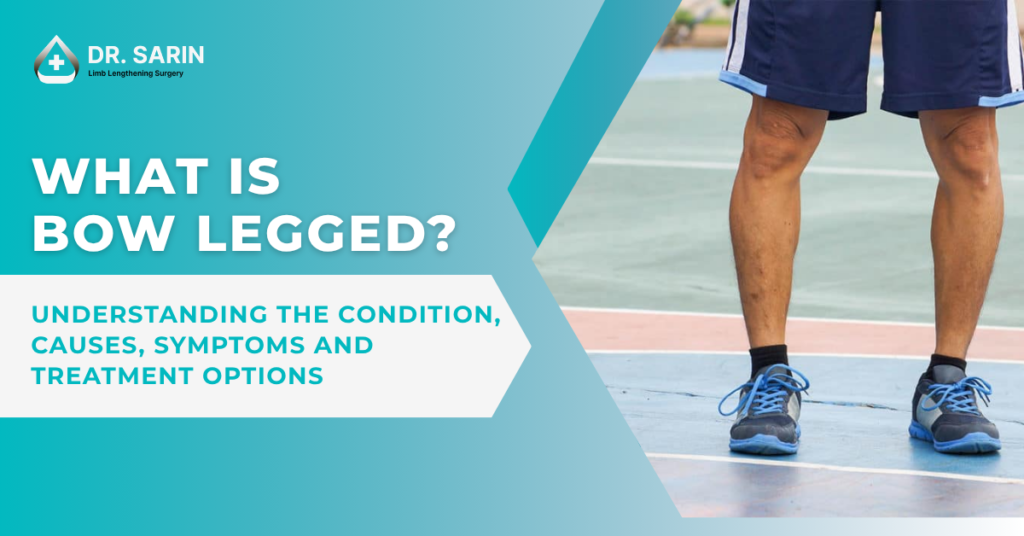
Have you ever noticed someone’s legs curve outward while standing with their feet together? This condition is commonly known as bow legged, medically referred to as Genu Varum. Many people assume bow legs are only seen in babies and young children. While this is often true, bow legs can also persist into adulthood or develop later in life due to underlying medical conditions. The good news is that modern orthopedic treatments can successfully correct bow leg deformities and improve both appearance and function. In this guide, we’ll explain what bow legged means, why it happens, and when treatment may be necessary. What Does Bow Legged Mean? A person is considered bow legged when the legs curve outward at the knees while the ankles remain close together. When standing with both feet together: The ankles touch The knees remain apart The legs create a noticeable bow-like shape This condition is known medically as Genu Varum. In mild cases, the curvature may be barely noticeable. In more severe cases, it can affect walking, posture, balance, and knee function. Is Bow Legged Normal? The answer depends on age. In infants and toddlers, bow legs are often a normal part of development. Most babies are born with a slight outward curvature of the legs because of their position inside the womb. As children grow and begin walking, the legs gradually straighten. For many children: Bow legs improve naturally by age 2-3 years No treatment is required Regular observation is usually sufficient However, if the condition persists beyond early childhood or becomes progressively worse, further evaluation may be necessary. What Causes Bow Legs? Several factors can lead to bow leg deformity. Natural Growth and Development: This is the most common reason in young children. As the child’s bones develop, the legs often straighten naturally without intervention. Rickets: Rickets occurs when bones become soft due to a deficiency of Vitamin D, calcium, or phosphate. This can cause: Weak bones, Growth abnormalities, and Bowing of the legs. Blount’s Disease: Blount’s disease affects the growth plate near the knee and can cause progressive bowing. Without treatment, the deformity may worsen over time. Bone Injuries: Fractures that heal improperly can lead to uneven bone alignment and bow leg formation. Arthritis. In adults, knee arthritis can gradually change joint alignment and result in bow-legged appearance. Genetic Conditions: Certain inherited bone disorders can affect bone growth and alignment, leading to genu varum. Common Symptoms of Bow Legs Some individuals experience only cosmetic concerns, while others develop functional problems. Common symptoms include: Outward curvature of the legs Knees that remain apart when standing Altered walking pattern Knee pain Hip discomfort Reduced balance Difficulty walking long distances As the condition progresses, abnormal pressure on the knee joint can increase the risk of arthritis. How Is Bow Legged Diagnosed? Diagnosis usually begins with a physical examination. An orthopedic specialist may evaluate: Leg alignment Walking pattern Knee positioning Joint movement Imaging studies such as X-rays help determine: Severity of the deformity Bone alignment Underlying causes Accurate diagnosis is essential because treatment depends on the root cause. When Should Bow Legs Be Treated? Treatment is not always necessary. Medical evaluation is recommended when: Bow legs worsen over time The child is older than 3 years and the condition persists One leg is more curved than the other Pain develops Walking becomes difficult The deformity affects daily activities Early intervention can help prevent future complications. Treatment Options for Bow Legs Bow Legs Treatment varies depending on age, severity, and underlying cause. Observation: Many young children simply require monitoring because the condition often improves naturally. Nutritional Management: If Vitamin D deficiency or rickets is responsible, correcting the deficiency may help improve bone health. Bracing: In selected pediatric cases, braces may help guide proper growth and alignment. Surgical Correction: Adults and patients with significant deformities often require surgical correction. Modern procedures can: Straighten the legs, Improve walking mechanics, Reduce knee stress, Improve posture, Enhance confidence Advanced corrective procedures are designed to restore proper alignment while preserving long-term knee function. What Happens If Bow Legs Are Left Untreated? Severe bow leg deformities may increase stress on the inner side of the knee joint. Over time, this can contribute to: Early arthritis Chronic knee pain Joint degeneration Walking difficulties Reduced mobility This is why persistent or worsening bow legs should not be ignored. Can Adults Correct Bow Legs? Yes. Contrary to popular belief, bow legs can be corrected in adults. Since adult bones have completed growth, treatment usually focuses on orthopedic correction procedures that realign the bones and restore proper leg mechanics. Modern techniques provide highly predictable outcomes for suitable candidates. Final Thoughts Understanding what is bow legged is the first step toward recognizing whether the condition requires treatment. While mild bowing in young children is often normal, persistent or severe bow legs can affect mobility, posture, knee health, and overall quality of life. If bow legs continue beyond childhood or begin causing discomfort, a consultation with an experienced orthopedic specialist can help determine the most appropriate treatment approach. Early evaluation and proper management can significantly improve both function and long-term joint health. Bow Legged FAQs 1. What is bow legged? Ans: Bow legged, or Genu Varum, is a condition where the legs curve outward, causing the knees to remain apart when the ankles are together. 2. Are bow legs normal in children? Ans: Yes. Mild bow legs are common in infants and toddlers and often correct naturally as the child grows. 3. What causes bow legs in adults? Ans: Common causes include arthritis, previous bone injuries, untreated childhood deformities, and certain bone disorders. 4. Can bow legs be corrected without surgery? Ans: Some childhood cases improve naturally or respond to bracing and nutritional treatment. Adults with significant deformities often require surgical correction. 5. Do bow legs cause knee pain? Ans: Yes. Severe bow legs can place extra stress on the knee joint, leading to pain, instability, and early arthritis over time.