
Have you ever noticed someone’s legs curve outward while standing with their feet together?
This condition is commonly known as bow legged, medically referred to as Genu Varum.
Many people assume bow legs are only seen in babies and young children. While this is often true, bow legs can also persist into adulthood or develop later in life due to underlying medical conditions.
The good news is that modern orthopedic treatments can successfully correct bow leg deformities and improve both appearance and function.
In this guide, we’ll explain what bow legged means, why it happens, and when treatment may be necessary.
What Does Bow Legged Mean?
A person is considered bow legged when the legs curve outward at the knees while the ankles remain close together.
When standing with both feet together:
- The ankles touch
- The knees remain apart
- The legs create a noticeable bow-like shape
This condition is known medically as Genu Varum.
In mild cases, the curvature may be barely noticeable. In more severe cases, it can affect walking, posture, balance, and knee function.
Is Bow Legged Normal?
The answer depends on age.
In infants and toddlers, bow legs are often a normal part of development.
Most babies are born with a slight outward curvature of the legs because of their position inside the womb. As children grow and begin walking, the legs gradually straighten.
For many children:
- Bow legs improve naturally by age 2-3 years
- No treatment is required
- Regular observation is usually sufficient
However, if the condition persists beyond early childhood or becomes progressively worse, further evaluation may be necessary.
What Causes Bow Legs?
Several factors can lead to bow leg deformity.
Natural Growth and Development: This is the most common reason in young children. As the child’s bones develop, the legs often straighten naturally without intervention.
Rickets: Rickets occurs when bones become soft due to a deficiency of Vitamin D, calcium, or phosphate.
This can cause: Weak bones, Growth abnormalities, and Bowing of the legs.
Blount’s Disease: Blount’s disease affects the growth plate near the knee and can cause progressive bowing. Without treatment, the deformity may worsen over time.
Bone Injuries: Fractures that heal improperly can lead to uneven bone alignment and bow leg formation. Arthritis. In adults, knee arthritis can gradually change joint alignment and result in bow-legged appearance.
Genetic Conditions: Certain inherited bone disorders can affect bone growth and alignment, leading to genu varum.
Common Symptoms of Bow Legs
Some individuals experience only cosmetic concerns, while others develop functional problems.
Common symptoms include:
- Outward curvature of the legs
- Knees that remain apart when standing
- Altered walking pattern
- Knee pain
- Hip discomfort
- Reduced balance
- Difficulty walking long distances
As the condition progresses, abnormal pressure on the knee joint can increase the risk of arthritis.
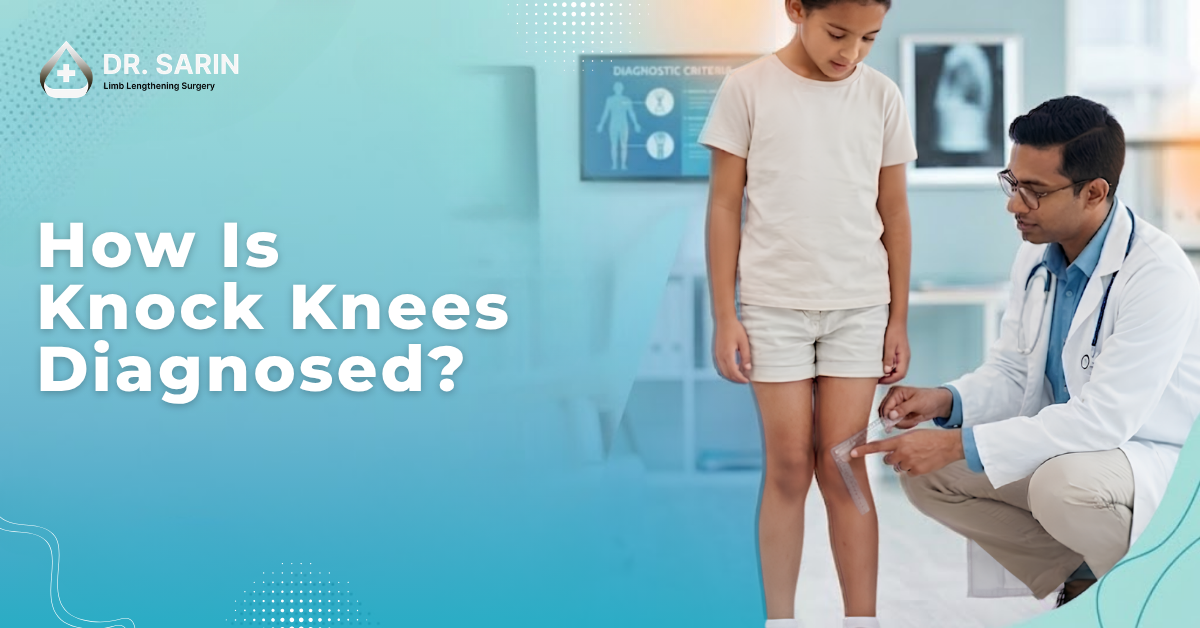
How Is Bow Legged Diagnosed?
Diagnosis usually begins with a physical examination.
An orthopedic specialist may evaluate:
- Leg alignment
- Walking pattern
- Knee positioning
- Joint movement
Imaging studies such as X-rays help determine:
- Severity of the deformity
- Bone alignment
- Underlying causes
Accurate diagnosis is essential because treatment depends on the root cause.
When Should Bow Legs Be Treated?
Treatment is not always necessary. Medical evaluation is recommended when:
- Bow legs worsen over time
- The child is older than 3 years and the condition persists
- One leg is more curved than the other
- Pain develops
- Walking becomes difficult
- The deformity affects daily activities
Early intervention can help prevent future complications.
Treatment Options for Bow Legs
Bow Legs Treatment varies depending on age, severity, and underlying cause.
Observation: Many young children simply require monitoring because the condition often improves naturally.
Nutritional Management: If Vitamin D deficiency or rickets is responsible, correcting the deficiency may help improve bone health.
Bracing: In selected pediatric cases, braces may help guide proper growth and alignment.
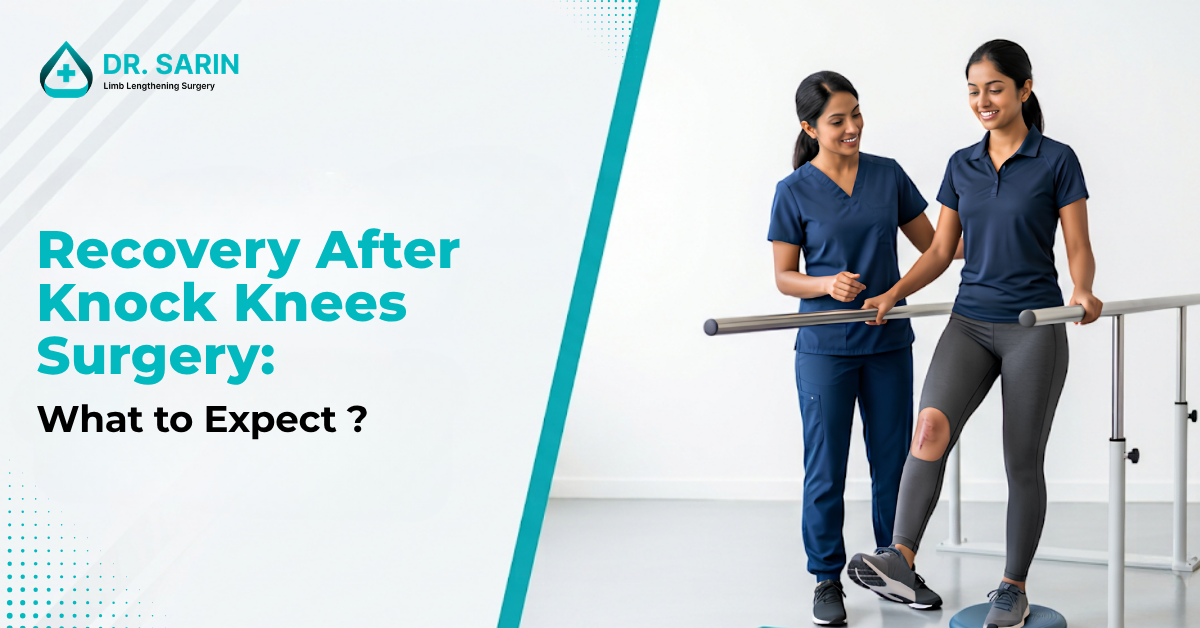
Surgical Correction: Adults and patients with significant deformities often require surgical correction. Modern procedures can: Straighten the legs, Improve walking mechanics, Reduce knee stress, Improve posture, Enhance confidence
Advanced corrective procedures are designed to restore proper alignment while preserving long-term knee function.
What Happens If Bow Legs Are Left Untreated?
Severe bow leg deformities may increase stress on the inner side of the knee joint. Over time, this can contribute to:
- Early arthritis
- Chronic knee pain
- Joint degeneration
- Walking difficulties
- Reduced mobility
This is why persistent or worsening bow legs should not be ignored.
Can Adults Correct Bow Legs?
Yes.
Contrary to popular belief, bow legs can be corrected in adults.
Since adult bones have completed growth, treatment usually focuses on orthopedic correction procedures that realign the bones and restore proper leg mechanics.
Modern techniques provide highly predictable outcomes for suitable candidates.
Final Thoughts
Understanding what is bow legged is the first step toward recognizing whether the condition requires treatment.
While mild bowing in young children is often normal, persistent or severe bow legs can affect mobility, posture, knee health, and overall quality of life.
If bow legs continue beyond childhood or begin causing discomfort, a consultation with an experienced orthopedic specialist can help determine the most appropriate treatment approach.
Early evaluation and proper management can significantly improve both function and long-term joint health.
Bow Legged FAQs
1. What is bow legged?
Ans: Bow legged, or Genu Varum, is a condition where the legs curve outward, causing the knees to remain apart when the ankles are together.
2. Are bow legs normal in children?
Ans: Yes. Mild bow legs are common in infants and toddlers and often correct naturally as the child grows.
3. What causes bow legs in adults?
Ans: Common causes include arthritis, previous bone injuries, untreated childhood deformities, and certain bone disorders.
4. Can bow legs be corrected without surgery?
Ans: Some childhood cases improve naturally or respond to bracing and nutritional treatment. Adults with significant deformities often require surgical correction.
5. Do bow legs cause knee pain?
Ans: Yes. Severe bow legs can place extra stress on the knee joint, leading to pain, instability, and early arthritis over time.