
Knock Knees Before and After Treatment: What Results Can You Expect?
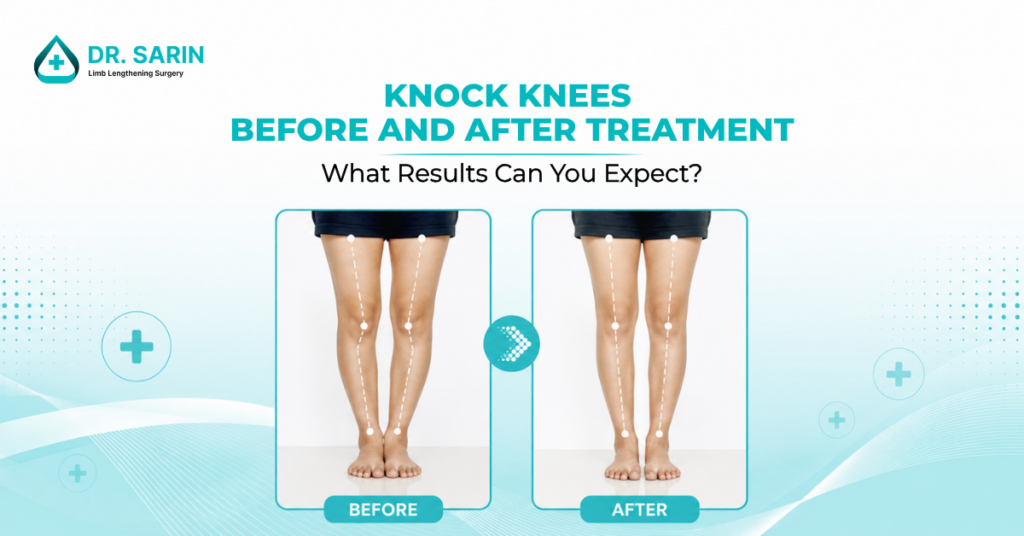
Patients considering treatment for knock knees often want to know one thing above all else: What kind of results can I expect? It is natural to search for before-and-after photographs, patient stories, and examples of successful treatment outcomes. While these resources can be helpful, it is important to understand that every case of knock knees is unique. The results achieved after treatment depend on several factors, including the severity of the deformity, the patient’s age, the underlying cause of the condition, and the type of treatment performed. Understanding what influences treatment outcomes can help patients develop realistic expectations and make informed decisions about their orthopedic care. Understanding Knock Knees Knock knees, medically known as genu valgum, is a condition in which the knees angle inward while the ankles remain apart when standing. The condition affects lower limb alignment and changes the relationship between the hips, knees, and ankles. While some people have only a mild alignment difference, others may have a more noticeable deformity. Because the degree of genu valgum varies significantly, treatment outcomes can also vary from one patient to another. Why Before-and-After Results Differ Between Patients One of the biggest misconceptions about orthopedic treatment is that every patient will achieve identical results. In reality, treatment outcomes are influenced by factors such as: Severity of the deformity Bone structure Skeletal maturity Overall lower limb alignment Type of treatment performed Individual healing response Two patients with similar-looking knock knees may have very different underlying alignment patterns. As a result, their treatment plans and outcomes may not be exactly the same. What Do Doctors Mean by “Correction”? When discussing results, orthopedic specialists often focus on alignment correction rather than appearance alone. The goal of treatment is to improve the relationship between the hip, knee, and ankle by addressing the underlying cause of the deformity. This approach aims to improve lower limb mechanics and create better overall alignment. While appearance often improves as alignment improves, successful treatment is not based solely on cosmetic changes. What Changes May Be Seen After Treatment? The specific changes vary depending on the patient and treatment approach. Potential improvements may include: Better lower limb alignment Reduced inward angulation of the knees Improved leg symmetry More balanced posture Improved overall appearance of the legs The degree of visible improvement depends on the severity of the original deformity and the correction achieved. How Long Does It Take to See Results? Many patients expect immediate final results after treatment. However, orthopedic correction is a process rather than a single event. Recovery often involves: Healing Rehabilitation Adaptation to the corrected alignment Ongoing follow-up assessment As recovery progresses, patients gradually gain a clearer understanding of their final outcome. Patience is important because healing timelines vary between individuals. Why Online Before-and-After Photos Can Be Misleading Before-and-after photographs are popular because they provide a visual representation of treatment outcomes. However, these images rarely tell the complete story. Photographs typically do not show: The severity of the original deformity The patient’s age Alignment measurements The complexity of treatment Recovery progress Without this information, comparisons can be misleading. The most meaningful prediction of results comes from a professional evaluation of the patient’s own condition. The Importance of Individualized Treatment Planning Successful outcomes begin long before treatment starts. Orthopedic specialists perform detailed assessments to determine: The source of the deformity The degree of correction required Overall lower limb alignment Appropriate treatment options This planning process helps ensure that treatment is tailored to the patient’s specific anatomy and needs. Accurate planning is one of the most important factors influencing final results. Why Realistic Expectations Matter Patients naturally want the best possible outcome. However, realistic expectations are essential. The purpose of treatment is not simply to create straighter-looking legs. The goal is to improve alignment in a way that is appropriate for the individual’s anatomy and condition. Understanding what treatment can realistically achieve helps patients feel more confident and informed throughout the process. Why Choosing an Experienced Specialist Is Important The quality of the evaluation and treatment plan plays a major role in determining outcomes. Successful deformity correction requires: Accurate diagnosis Detailed alignment analysis Careful treatment planning Proper execution Structured follow-up care These elements work together to support optimal results. For this reason, many patients seek care from orthopedic surgeons with specific expertise in deformity correction and lower limb alignment. Expert Insight from Dr. Amar Sarin According to Dr. Amar Sarin, an orthopedic surgeon specializing in limb deformity correction, successful treatment outcomes begin with understanding the exact nature of the deformity. Every patient presents with a unique alignment pattern, which is why individualized evaluation and treatment planning are essential. Rather than focusing solely on photographs or generalized expectations, patients benefit most from a detailed assessment that helps determine what improvements can realistically be achieved in their specific case. How Can You Understand Your Likely Results? The most reliable way to understand potential treatment outcomes is through a professional consultation. During an evaluation, an orthopedic specialist can assess: The severity of genu valgum Lower limb alignment Skeletal maturity Treatment options Expected correction This personalized assessment provides far more useful information than general online examples or photographs. Conclusion: What Results Can You Expect After Knock Knees treatment? Before-and-after results for knock knees treatment vary from one patient to another. Factors such as deformity severity, age, bone structure, treatment type, and healing response all influence the final outcome. While many patients experience significant improvements in alignment and leg appearance, realistic expectations should always be based on a thorough orthopedic evaluation rather than comparisons with online images. Understanding the condition, exploring treatment options, and consulting an experienced deformity correction specialist are the best ways to gain a clear picture of what results may be possible in your specific case.
Knock Knees Surgery Cost in India
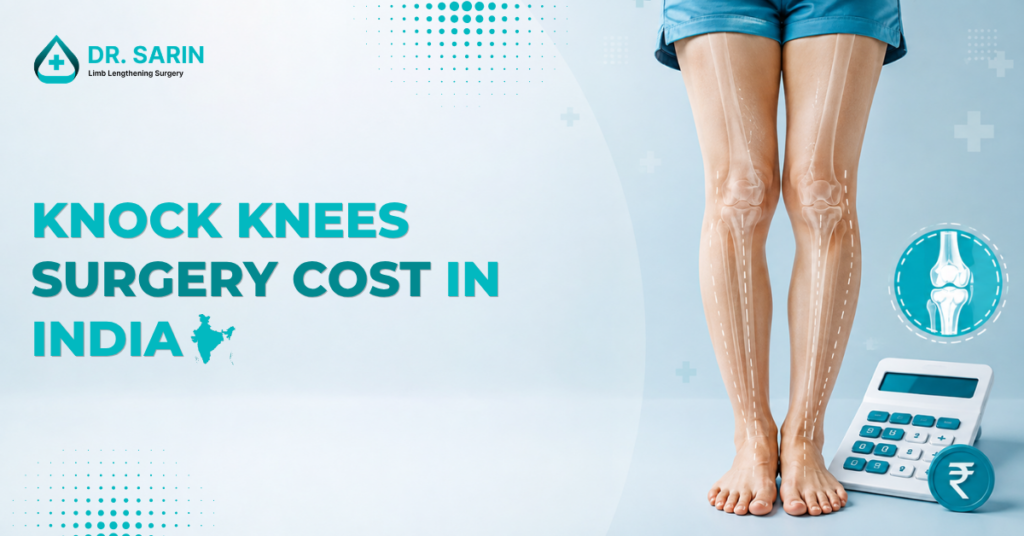
One of the most common questions patients ask when considering treatment is: “How much does knock knees surgery cost in India?” The cost of surgery is an important factor in the decision-making process, and it is natural for patients and families to want a clear understanding of the financial aspects of treatment. However, there is no single cost that applies to every patient. The expense of knock knees surgery can vary significantly depending on several factors, including the severity of the deformity, the complexity of the procedure, the hospital chosen, and the surgeon’s experience. Understanding these factors can help patients develop realistic expectations and make informed decisions about their treatment options. Why There Is No Fixed Cost for Knock Knees Surgery Many people search online hoping to find a single price for knock knees surgery. Unfortunately, treatment costs are rarely that straightforward. Every case of genu valgum is different. Some patients have mild deformities, while others require more complex correction. The amount of evaluation, planning, surgical correction, and post-operative care needed can vary considerably from one patient to another. As a result, the cost of treatment is usually individualized rather than standardized. Factors That Influence Knock Knees Surgery Cost Several factors can affect the overall cost of treatment. Severity of the Deformity The degree of genu valgum often influences treatment planning. More complex deformities may require additional evaluation, detailed surgical planning, and specialized correction techniques. Because every patient presents with a unique alignment pattern, treatment requirements can differ significantly. Type of Surgical Procedure Different surgical approaches may be considered depending on the patient’s age, skeletal maturity, and deformity characteristics. The complexity of the procedure often plays a role in determining the overall treatment cost. This is one reason why an accurate diagnosis is essential before discussing expenses. Hospital Facilities The choice of hospital can also affect costs. Factors such as: Hospital infrastructure Operating facilities Length of stay Post-operative care services may influence the overall financial investment associated with treatment. Diagnostic Evaluation Before surgery is considered, patients typically undergo detailed evaluation and deformity analysis. This may include: Clinical examination Alignment assessment Long-leg X-rays Treatment planning Accurate diagnosis is critical because successful correction begins with understanding the exact nature of the deformity. Rehabilitation and Follow-Up Care Many patients focus only on the surgical procedure itself. However, recovery is an important part of the treatment journey. Follow-up appointments, rehabilitation, and post-operative monitoring contribute to overall treatment costs and play an important role in achieving optimal outcomes. Why Comparing Prices Online Can Be Misleading Patients often compare costs from various websites and online forums. The challenge is that these estimates are frequently incomplete and may not reflect the full scope of treatment. For example, one quoted figure may include only the procedure itself, while another may include: Diagnostic evaluation Hospital charges Surgical implants Follow-up visits Rehabilitation support Without understanding what is included, comparing prices alone can create confusion. Is Choosing the Lowest Cost Always the Best Option? Cost is an important consideration, but it should not be the only factor influencing treatment decisions. Knock knees surgery involves careful deformity analysis, precise correction, and long-term follow-up care. The quality of diagnosis, surgical planning, and post-operative management often has a significant impact on outcomes. For many patients, selecting an experienced deformity correction specialist provides greater confidence throughout the treatment journey. Why a Personal Evaluation Is Necessary Because every case of knock knees is unique, it is impossible to provide an accurate treatment estimate without understanding the patient’s specific condition. A detailed evaluation helps determine: The severity of the deformity The source of the alignment problem The most appropriate treatment approach The complexity of the correction Only after this assessment can a realistic treatment plan and cost estimate be discussed. Expert Insight from Dr. Amar Sarin According to Dr. Amar Sarin, an orthopedic surgeon specializing in limb deformity correction, the cost of knock knees surgery depends on multiple patient-specific factors. Accurate diagnosis and detailed alignment analysis are essential before discussing treatment plans or financial estimates. Because no two cases are exactly alike, individualized evaluation helps ensure that patients receive recommendations that are appropriate for their condition and treatment goals. Questions Patients Should Ask During a Consultation When discussing knock knees surgery, patients may benefit from asking: What is the severity of my deformity? What treatment options are available? What does the recommended procedure involve? What costs are included in the treatment plan? What type of follow-up care will be required? These questions help patients gain a clearer understanding of both the treatment process and the associated expenses. Conclusion The cost of knock knees surgery in India varies depending on the patient’s condition, the complexity of the correction, the hospital, and the overall treatment plan. Rather than focusing solely on a specific price, patients should first seek an accurate diagnosis and professional evaluation. Understanding the nature of the deformity allows orthopedic specialists to recommend the most appropriate treatment approach and provide a realistic estimate based on the individual’s needs. For patients considering knock knees surgery, a consultation with an experienced deformity correction specialist is often the most reliable way to understand both the treatment pathway and the expected costs.
Can Knock Knees Return After Treatment?

One of the most common concerns patients have before undergoing treatment for knock knees is whether the condition can return in the future. Whether someone is considering non-surgical management or surgical correction, it is natural to want reassurance that the results will be long-lasting. Patients often ask questions such as: Can knock knees come back after treatment? Is the correction permanent? What affects long-term results? How can recurrence be prevented? The answer depends on several factors, including the underlying cause of the deformity, the type of treatment performed, the patient’s age, and the accuracy of the initial diagnosis. Understanding these factors can help patients develop realistic expectations about treatment outcomes. Understanding Knock Knees Knock knees, medically known as genu valgum, is a condition in which the knees angle inward while the ankles remain apart when standing. The condition can affect both children and adults and may range from a mild alignment difference to a more significant deformity involving the structure of the lower limbs. Because knock knees can develop for different reasons, the long-term outcome after treatment varies from one patient to another. Does Every Treatment Have the Same Long-Term Outcome? No. The likelihood of maintaining correction depends on the type of treatment and the nature of the deformity. For example, treatment approaches used in growing children may differ from those used in adults who have already reached skeletal maturity. Similarly, conservative management and surgical correction have different goals and expectations. This is one reason why individualized treatment planning is so important. Why Accurate Diagnosis Matters Long-term success begins with an accurate diagnosis. Before recommending any treatment, orthopedic specialists need to understand: The severity of the deformity The source of the alignment problem Skeletal maturity Overall lower limb mechanics The patient’s treatment goals Without understanding these factors, it becomes difficult to determine which treatment approach is most appropriate. A well-planned treatment strategy often contributes significantly to long-term stability. Can Knock Knees Return After Non-Surgical Treatment? The outcome of non-surgical treatment depends largely on the nature of the condition. Non-surgical approaches may focus on: Observation Physical therapy Exercise programs Weight management Orthotic support These strategies can play an important role in managing selected cases. However, when genu valgum is primarily related to bone alignment, conservative measures may have limitations. Because every patient is different, the durability of results varies depending on the underlying cause and the individual’s response to treatment. Can Knock Knees Return After Surgery? Many patients assume that surgery automatically guarantees identical results for every person. In reality, successful outcomes depend on several factors, including: Accurate deformity analysis Proper surgical planning Precise correction Bone healing Post-operative rehabilitation When surgical correction is carefully planned and executed, the goal is to achieve stable alignment. However, each patient must be evaluated individually, and long-term outcomes depend on multiple factors rather than a single procedure alone. This is why experienced deformity correction specialists place so much emphasis on pre-operative planning and follow-up care. Why Follow-Up Care Is Important Treatment does not end when the procedure or therapy is completed. Follow-up appointments allow orthopedic specialists to: Monitor healing Assess alignment Evaluate recovery progress Identify potential concerns early Regular monitoring helps ensure that the correction remains on track and provides patients with guidance throughout their recovery journey. Patients who actively participate in follow-up care often gain a better understanding of their long-term progress. Factors That Influence Long-Term Results Several factors can affect how well correction is maintained over time. These include: Age at the time of treatment Skeletal maturity Severity of the deformity Underlying cause of genu valgum Quality of treatment planning Adherence to rehabilitation recommendations Because these variables differ from one patient to another, long-term outcomes are highly individualized. Why Internet Comparisons Can Be Misleading Patients often search online for stories from others who have undergone treatment. While personal experiences can be informative, they do not always reflect another person’s situation. Two patients may appear to have similar knock knees but differ significantly in: Alignment measurements Bone structure Treatment approach Recovery process As a result, comparing outcomes without understanding these differences can create unrealistic expectations. A professional assessment provides far more meaningful information than generalized online comparisons. The Importance of Choosing the Right Specialist One of the most important factors influencing long-term outcomes is the quality of the initial evaluation and treatment plan. Successful management of knock knees requires: Detailed deformity analysis Accurate alignment assessment Individualized treatment planning Ongoing follow-up care These elements help ensure that treatment decisions are based on the patient’s unique anatomy and needs. For this reason, many patients choose to consult specialists who focus specifically on deformity correction and lower limb alignment. Expert Insight from Dr. Amar Sarin According to Dr. Amar Sarin, an orthopedic surgeon specializing in limb deformity correction, long-term success begins with understanding the exact nature of the deformity. Proper diagnosis, careful treatment planning, precise execution, and structured follow-up care all contribute to achieving stable alignment. Because every patient presents with a unique pattern of genu valgum, individualized evaluation remains essential for determining the most appropriate treatment approach and optimizing long-term outcomes. Conclusion: Can Knock Knees Return After Treatment? Can knock knees return after treatment? The answer depends on the underlying cause of the condition, the treatment performed, and the individual patient’s circumstances. Long-term outcomes are influenced by accurate diagnosis, appropriate treatment selection, careful planning, and ongoing follow-up care. Rather than focusing solely on whether recurrence is possible, patients should focus on ensuring that their condition is properly evaluated and managed by an experienced orthopedic specialist. A comprehensive assessment provides the foundation for informed treatment decisions and the best possible long-term results.
What Happens If Knock Knees Are Left Untreated?
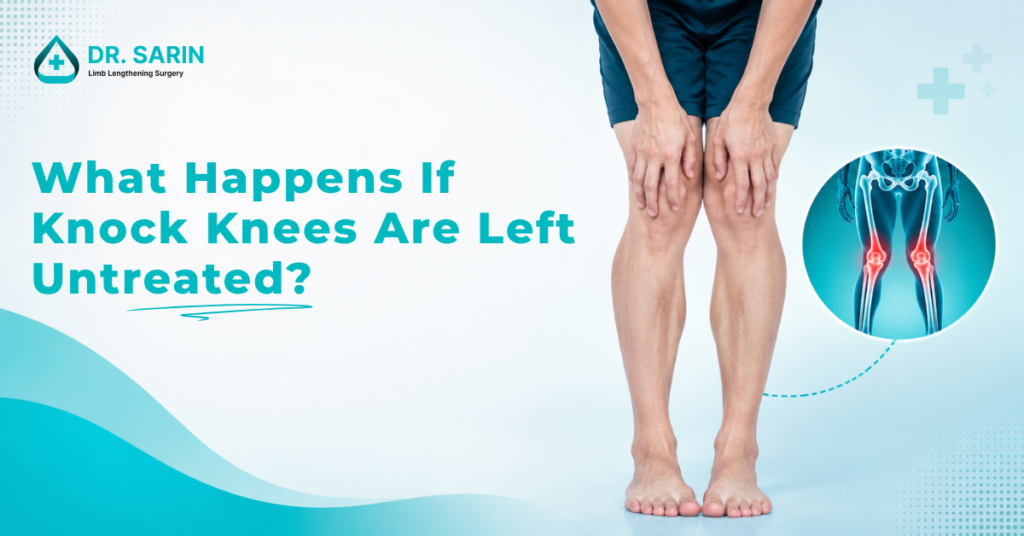
Many people with knock knees wonder whether treatment is actually necessary. Some individuals have lived with the condition for years without giving it much thought, while parents may be unsure whether their child’s leg alignment requires attention. Because knock knees can vary significantly in severity, there is no single answer that applies to everyone. In some cases, the condition may represent a mild variation in alignment, while in others it may involve a more significant deformity affecting the position of the lower limbs. This often leads to an important question: What happens if knock knees are left untreated? The answer depends on factors such as age, the severity of the deformity, skeletal development, and the underlying cause of the condition. Understanding these factors can help individuals make informed decisions about their orthopedic health. Understanding Knock Knees Knock knees, medically known as genu valgum, is a condition in which the knees angle inward while the ankles remain apart when standing. The condition affects the alignment of the lower limbs and changes the relationship between the hips, knees, and ankles. While some people have only a mild inward angulation, others may have a more pronounced deformity Because genu valgum exists on a spectrum, the potential consequences of leaving it untreated can also vary considerably. Are All Cases of Knock Knees a Cause for Concern? No. Not every case of knock knees requires treatment. In many children, changes in leg alignment occur as part of normal growth and development. Some cases may improve naturally as the skeleton matures. Similarly, some adults have mild genu valgum that causes little concern and remains stable throughout life. The key point is that the effects of untreated knock knees depend largely on the severity and nature of the deformity. This is why proper evaluation is so important. Can Knock Knees Become More Noticeable Over Time? In some individuals, the appearance of knock knees may remain relatively stable. In others, the alignment difference may become more noticeable over time. This can occur due to changes in skeletal structure, body mechanics, posture, or overall lower limb alignment. Because every person’s situation is unique, it is difficult to predict how the condition will change without a detailed assessment. Monitoring the alignment over time often provides valuable insight into whether the condition is remaining stable or progressing. How Does Alignment Affect the Lower Limbs? The hips, knees, and ankles function as part of a connected mechanical system. When the alignment of one part of the leg changes, it can influence the position and function of other structures throughout the lower limb. Knock knees alter the way the legs align during standing and movement. The degree to which this affects overall mechanics depends on the severity of the deformity and the individual’s anatomy. Understanding these alignment relationships is one reason why orthopedic specialists carefully analyze the entire lower limb rather than focusing only on the knees. Can Untreated Knock Knees Affect Walking? Some individuals with knock knees notice no significant difference in the way they walk. Others may become more aware of their walking pattern, posture, or leg positioning over time. The impact on movement varies considerably from person to person. Factors such as the degree of genu valgum, muscle strength, flexibility, and overall lower limb mechanics all play a role. A detailed evaluation can help determine whether the alignment is influencing movement patterns. Can the Effects Be Different in Children and Adults? Yes. Children still have growing bones, which means their alignment may change as development continues. In some cases, genu valgum improves naturally during growth. Adults, however, have reached skeletal maturity. Once growth is complete, significant changes in alignment are less likely to occur naturally. For this reason, the long-term implications of untreated knock knees may differ between children and adults. Understanding the patient’s age and stage of skeletal development is an important part of evaluating the condition. Why Some People Delay Evaluation Many individuals postpone evaluation because: The condition does not cause immediate concerns. They assume it is only cosmetic. They believe it will improve on its own. They are unsure about treatment options. While these concerns are understandable, delaying assessment may also mean missing an opportunity to better understand the true nature of the deformity. A professional evaluation does not automatically mean treatment is required. Instead, it provides clarity regarding the severity of the condition and the available options. Why Self-Assessment Has Limitations The internet contains countless articles, videos, and photographs related to knock knees. While this information can be helpful, it cannot accurately determine: The degree of deformity The source of the alignment issue Whether the condition is stable Whether treatment may be beneficial Two individuals with similar-looking legs may have very different underlying alignment patterns. This is why professional assessment remains the most reliable way to understand the condition. When Should You Consider an Evaluation? An orthopedic evaluation may be worth considering if: The knock knees appear to be becoming more noticeable. One leg looks different from the other. You are uncertain about the severity of the condition. The alignment has persisted for many years. You want a clearer understanding of your treatment options. These situations do not necessarily indicate a serious problem, but they often justify a closer look at the alignment. Expert Insight from Dr. Amar Sarin According to Dr. Amar Sarin, an orthopedic surgeon specializing in limb deformity correction, the effects of untreated knock knees depend largely on the degree of deformity and the individual’s overall lower limb alignment. While some cases may require little intervention, others benefit from a detailed assessment to understand the nature of the condition and its potential long-term implications. Accurate diagnosis and alignment analysis help patients make informed decisions about their orthopedic care and avoid relying on assumptions based solely on appearance. Conclusion: What Happens If Knock Knees Are Left Untreated? What happens if knock knees are left untreated depends on the individual case. Some people experience little change over time, while others may notice that the
How Do Doctors Measure Knock Knees?
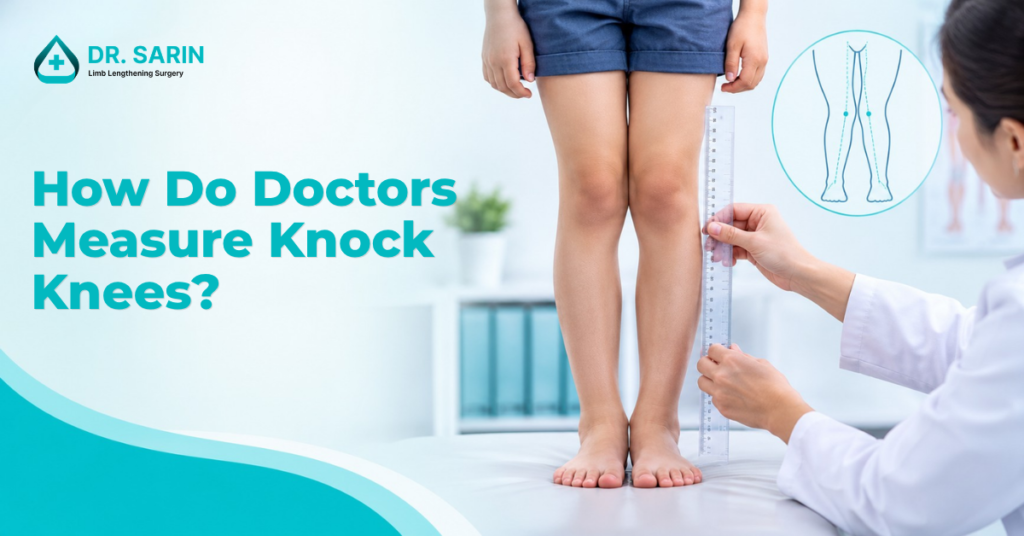
Many people who notice their knees turning inward want to know how severe their condition is. Some try measuring the gap between their ankles at home, while others compare their legs with online photographs. Although these methods may provide a rough idea, they cannot accurately determine the true severity of knock knees. In reality, measuring knock knees involves much more than simply looking at the position of the knees and ankles. Orthopedic specialists use specific clinical assessments, alignment measurements, and imaging studies to evaluate the condition. These measurements help determine the degree of deformity, identify its source, and guide treatment decisions. Why Measuring Knock Knees Is Important Knock knees, medically known as genu valgum, is a condition in which the knees angle inward while the ankles remain apart when standing. The appearance of knock knees can vary significantly from person to person. Some individuals have only a mild alignment difference, while others have a more noticeable deformity. Measuring the condition accurately helps answer important questions such as: How severe is the deformity? Is the alignment within expected limits? Is the condition stable or progressing? Which part of the leg is contributing to the deformity? What treatment options may be appropriate? Without proper measurements, treatment decisions are often based on assumptions rather than objective findings. Why Visual Appearance Is Not Enough One of the biggest misconceptions about knock knees is that severity can be judged simply by looking at the legs. In reality, two people with a similar appearance may have very different underlying alignment patterns. For example: One individual may have a mild cosmetic variation. Another may have a significant structural deformity. The difference often becomes apparent only after detailed examination and imaging. This is why orthopedic specialists rely on objective measurements rather than visual appearance alone. Clinical Examination The first step in measuring knock knees is a physical examination. During the assessment, the doctor evaluates: Overall lower limb alignment Position of the knees and ankles Symmetry between both legs Walking pattern Posture and standing mechanics These observations provide valuable information about how the legs function and help identify visible alignment abnormalities. However, clinical examination is only one part of the assessment process. Measuring the Distance Between the Ankles One commonly used clinical measurement is the distance between the ankles when the knees are touching. This measurement is known as the intermalleolar distance. In a person with knock knees, the knees may touch while the ankles remain apart. Measuring the gap between the ankles can provide a basic indication of the degree of inward angulation. While this measurement is useful, it has limitations. It does not reveal where the deformity originates or how the bones are aligned internally. For this reason, additional evaluation is often required. Assessing Lower Limb Alignment Orthopedic specialists do not focus solely on the knees. They assess the relationship between: The hip The knee The ankle These structures work together as a mechanical system. Even a small alignment change in one area can influence the overall position of the leg. Understanding how these joints relate to one another is essential for accurate diagnosis and treatment planning. The Role of Long-Leg X-Rays One of the most important tools for measuring knock knees is a standing long-leg X-ray. Unlike standard knee X-rays, long-leg imaging allows the specialist to evaluate the entire lower limb from the hip to the ankle. This provides important information about: Overall leg alignment Bone structure Joint orientation Mechanical axis of the limb Location of the deformity These details cannot be determined accurately through physical examination alone. For many patients, long-leg X-rays provide the clearest picture of the true nature of their condition. Understanding the Mechanical Axis When evaluating knock knees, specialists often assess the mechanical axis of the lower limb. The mechanical axis is an imaginary line that helps describe how body weight travels through the leg. Changes in this alignment can influence the position of the knee and the overall mechanics of the lower limb. Accurate assessment of the mechanical axis helps orthopedic surgeons understand the severity of the deformity and plan treatment more effectively. Identifying the Source of the Deformity One of the most important aspects of measurement is determining where the deformity originates. The alignment issue may involve: The femur (thigh bone) The tibia (shin bone) Both bones together This distinction is extremely important because treatment planning depends on identifying the exact source of the deformity. Two patients with similar-looking knock knees may require completely different treatment approaches based on these findings. Why Home Measurements Have Limitations Many people search online for ways to measure knock knees at home. While simple measurements such as ankle spacing may provide a rough estimate, they cannot determine: Bone alignment Mechanical axis deviation Source of the deformity Severity of structural changes As a result, home measurements should never be considered a substitute for professional evaluation. Without imaging and alignment analysis, it is impossible to fully understand the condition. Why Accurate Measurement Influences Treatment Treatment decisions depend heavily on measurement findings. For example, before recommending observation, physiotherapy, or surgical correction, specialists need a detailed understanding of the deformity. Accurate measurements help answer questions such as: Is treatment necessary? What type of treatment is appropriate? How much correction may be required? What outcomes can realistically be expected? Without these measurements, treatment planning becomes far less precise. Expert Insight from Dr. Amar Sarin According to Dr. Amar Sarin, an orthopedic surgeon specializing in limb deformity correction, accurate measurement is one of the most important steps in evaluating knock knees. While many patients focus on the visible appearance of their legs, detailed alignment analysis often reveals important information that cannot be seen externally. Long-leg X-rays, clinical examination, and deformity assessment help determine the true nature of the condition and allow treatment decisions to be based on objective findings rather than assumptions. Conclusion: How Do Doctors Measure Knock Knees Doctors measure knock knees using a combination of physical examination, clinical measurements, alignment assessment, and imaging studies. While measurements such
How Is Knock Knees Diagnosed?

Many people notice that their knees angle inward and begin searching online for information about knock knees. Some compare their legs with pictures on the internet, while others attempt to determine the severity of the condition on their own. However, diagnosing knock knees is often more complex than simply looking at the appearance of the legs. Two individuals may appear to have similar alignment, yet the underlying cause and severity of the condition can be completely different. This is why a proper diagnosis is one of the most important steps in understanding knock knees and deciding whether any treatment may be necessary. What Are Knock Knees? Knock knees, medically known as genu valgum, is a condition in which the knees angle inward while the ankles remain apart when standing. The condition affects the alignment of the lower limbs and can occur in both children and adults. While some cases represent a mild variation in alignment, others may involve a more significant deformity affecting the position of the bones. Before any treatment decisions can be made, it is essential to determine the exact nature and extent of the condition. Why Is Proper Diagnosis Important? Many people assume that if their knees touch while standing, they automatically have knock knees. In reality, diagnosing genu valgum involves much more than visual observation. A proper diagnosis helps answer important questions such as: How severe is the deformity? What is causing the alignment problem? Is the condition related to growth or bone structure? Is the deformity stable or progressing? Does the alignment require treatment? Without accurate answers to these questions, it is difficult to determine the most appropriate management approach. Physical Examination The diagnostic process usually begins with a detailed physical examination. During the assessment, the orthopedic specialist evaluates: Overall leg alignment Position of the knees Relationship between the knees and ankles Symmetry between both legs Walking pattern and posture This examination provides an initial understanding of the condition and helps identify any obvious alignment abnormalities. However, a physical examination alone is often not enough to fully understand the deformity. Medical History Assessment A thorough medical history is also an important part of diagnosis. The specialist may ask questions about: When the condition was first noticed Whether the alignment has changed over time Previous injuries Growth and developmental history Family history of leg deformities These details help provide valuable context and may reveal factors contributing to the condition. Measuring Leg Alignment One of the most important parts of diagnosing knock knees is measuring the alignment of the lower limbs. Simply looking at the legs does not accurately reveal the true degree of deformity. Orthopedic specialists use specific measurements and assessment techniques to evaluate: The angle of the knees The relationship between the hip, knee, and ankle Overall lower limb alignment These measurements help determine whether the alignment falls within expected limits or represents a more significant deformity. The Role of X-Rays X-rays are often one of the most valuable diagnostic tools for evaluating knock knees. While the outward appearance of the legs provides useful information, X-rays allow specialists to see the actual structure of the bones. They help assess: Bone alignment Joint orientation Angular deformity Skeletal maturity The location of the deformity This information is critical because treatment decisions are often based on findings that cannot be seen from the outside. In many cases, the true nature of the deformity becomes much clearer after imaging studies are reviewed. Why Visual Appearance Can Be Misleading Many patients attempt to diagnose themselves using online photographs or videos. The challenge is that similar-looking legs can have very different underlying alignment patterns. For example: A mild-looking deformity may involve significant structural misalignment. A more noticeable appearance may not always indicate severe deformity. The source of the problem may originate from different parts of the leg. Because of these variations, self-assessment is often unreliable. This is one reason why professional evaluation is so important. Understanding the Cause of Knock Knees A diagnosis is not only about confirming the presence of genu valgum. The orthopedic specialist also aims to identify the underlying cause of the alignment problem. Understanding the cause helps determine: Whether treatment is necessary Which treatment options may be appropriate What outcomes can realistically be expected Without understanding the source of the deformity, treatment planning becomes far more difficult. How Specialists Determine Severity Not all knock knees are the same. Some individuals have mild alignment differences, while others have more significant deformities affecting the mechanics of the lower limbs. Specialists assess severity through: Clinical examination Alignment measurements Imaging studies Functional assessment This comprehensive approach provides a much more accurate picture than visual observation alone. Why Expert Evaluation Matters Many patients spend months researching exercises, braces, and treatment options before obtaining an accurate diagnosis. The problem is that treatment recommendations depend entirely on understanding the deformity itself. Without proper diagnosis, it is impossible to know: Whether treatment is necessary Whether non-surgical options are likely to help Whether surgical correction should be considered A detailed orthopedic evaluation provides clarity and helps patients avoid unnecessary confusion and uncertainty. Expert Insight from Dr. Amar Sarin According to Dr. Amar Sarin, an orthopedic surgeon specializing in limb deformity correction, accurate diagnosis is the foundation of successful treatment planning. While many patients focus on the appearance of their legs, a detailed assessment of lower limb alignment often reveals important information that cannot be seen externally. Clinical examination, alignment analysis, and imaging studies work together to provide a complete understanding of the deformity and help determine the most appropriate treatment approach. Conclusion: How Is Knock Knees Diagnosed Diagnosing knock knees involves much more than simply observing the position of the knees. A proper diagnosis includes physical examination, medical history assessment, alignment measurements, and often imaging studies such as X-rays. These evaluations help determine the severity, cause, and nature of the deformity, allowing specialists to develop an appropriate treatment plan. Because outward appearance alone can be misleading, professional assessment remains the most reliable way to accurately
Recovery After Knock Knees Surgery: What to Expect
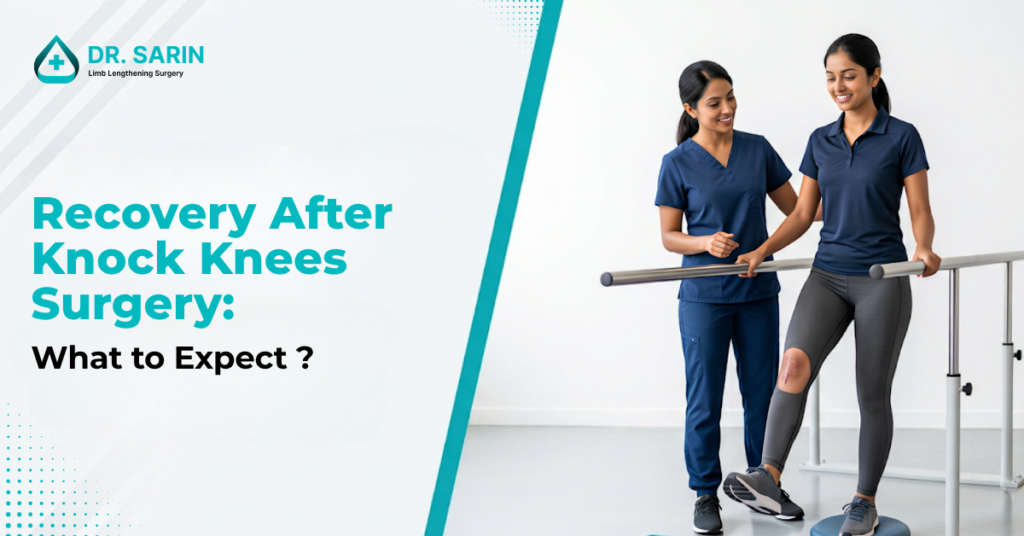
One of the most common questions patients ask before undergoing knock knees surgery is, “How long will recovery take?” While understanding the procedure itself is important, knowing what happens afterward is equally valuable. Recovery is a critical part of the treatment journey. The success of knock knees surgery depends not only on the correction achieved during the procedure but also on proper healing, rehabilitation, and follow-up care. Because every patient is different, recovery timelines can vary. Factors such as age, overall health, the severity of the deformity, and the type of correction performed all play a role in the recovery process. Why Recovery Matters Knock knees surgery is designed to improve lower limb alignment by correcting the underlying deformity. However, the body needs time to adapt to these changes. Recovery allows: Bones to heal properly Soft tissues to adjust to the new alignment Strength and mobility to improve Normal daily activities to gradually resume A carefully planned recovery process helps support the best possible outcome. Is Recovery the Same for Every Patient? No. One of the biggest misconceptions about knock knees surgery is that recovery follows the same timeline for everyone. In reality, recovery depends on several factors, including: The patient’s age Bone quality Overall health Degree of correction required Surgical technique used Commitment to rehabilitation This is why comparing recovery experiences online can sometimes be misleading. Two patients with seemingly similar deformities may have very different recovery journeys. The Early Recovery Period The initial phase of recovery focuses on healing and protecting the surgical correction. During this period, patients are closely monitored by their orthopedic team. Follow-up appointments help ensure that healing is progressing as expected and allow the surgeon to assess recovery milestones. Patients are typically provided with specific instructions regarding mobility, weight-bearing, and activity levels. Following these instructions carefully is one of the most important aspects of a successful recovery. The Role of Physiotherapy Rehabilitation is often an important part of recovery after knock knees surgery. Physiotherapy may help patients: Improve mobility Regain muscle strength Restore flexibility Improve balance and coordination Adapt to the corrected alignment Because the body has spent years functioning with a particular alignment pattern, it often requires time and guided rehabilitation to adjust to the new mechanics. A structured physiotherapy program can play a significant role in supporting this transition. When Can Patients Start Walking? One of the first concerns most patients have is when they will be able to walk comfortably again. The answer varies depending on the type of procedure performed and the individual’s healing progress. Some patients begin walking with assistance during the early stages of recovery, while others may require a different rehabilitation schedule. The most important point is that mobility progression should always follow the recommendations of the treating surgeon. Attempting to advance too quickly can interfere with proper healing. Returning to Daily Activities Many patients want to know when they can return to normal life. Activities such as: Office work Driving Household tasks Social activities are typically resumed gradually as recovery progresses. The timing depends on the individual’s healing, mobility, and overall comfort level. Rather than focusing on a specific number of weeks, it is more helpful to understand that recovery occurs in stages, with each patient progressing at a different pace. When Do Final Results Become Visible? Knock knees surgery creates structural changes in leg alignment, but the final outcome is not always immediately apparent. As healing progresses and the body adapts to the corrected alignment, patients gradually gain a clearer understanding of the final result. Factors such as swelling, muscle adaptation, and bone healing can influence how quickly improvements become visible. Patience is often an important part of the recovery journey. Why Follow-Up Appointments Are Important Recovery does not end when a patient leaves the hospital. Regular follow-up appointments allow the orthopedic surgeon to monitor healing and ensure that recovery remains on track. These visits help assess: Bone healing Alignment correction Mobility progress Rehabilitation goals Patients who maintain regular follow-up care often gain a better understanding of their recovery progress and receive timely guidance when needed. Common Recovery Mistakes Patients Make Some patients unintentionally slow their recovery by: Ignoring rehabilitation instructions Comparing their progress to others Returning to activities too quickly Missing follow-up appointments Attempting self-directed recovery without professional guidance Recovery after deformity correction is highly individualized. Following expert recommendations is usually the safest and most effective approach. Why Choosing the Right Surgeon Matters Many patients focus primarily on the surgery itself and give less attention to recovery planning. However, recovery is closely linked to the quality of surgical planning, alignment analysis, and post-operative care. An experienced deformity correction specialist not only performs the procedure but also guides the patient through the recovery process, monitors healing, and helps address challenges that may arise along the way. This comprehensive approach often plays a major role in achieving successful outcomes. Expert Insight from Dr. Amar Sarin Recovery after knock knees surgery is a carefully monitored process that extends beyond the operating room. According to Dr. Amar Sarin, an orthopedic surgeon specializing in limb deformity correction, successful outcomes depend on a combination of precise surgical planning, proper correction, rehabilitation, and consistent follow-up care. Every patient heals at a different pace, which is why individualized recovery plans are essential. Regular assessment throughout the healing process helps ensure that recovery progresses safely and effectively. Conclusion: Recovery After Knock Knees Surgery Recovery after knock knees surgery is an important phase that allows the body to heal, adapt, and benefit from the corrected alignment. While recovery timelines vary from person to person, proper rehabilitation, follow-up care, and adherence to medical guidance all contribute to a successful outcome. Patients considering surgery should understand that recovery is not simply a waiting period—it is an active process that requires commitment and expert supervision. Consulting an experienced deformity correction specialist can help patients gain a realistic understanding of what to expect and how to prepare for the recovery journey ahead.