
Is Limb Lengthening Surgery Worth It?
Many people who are unhappy with their height often ask one important question: is limb lengthening surgery worth it? With growing awareness about height increase surgery, more individuals are exploring this option. But before making a decision, it is important to understand the benefits, risks, cost, and long-term results. This article will help you make a clear and practical decision. What Is Limb Lengthening Surgery Limb lengthening surgery is a medical procedure that helps increase a person’s height by gradually lengthening the bones of the legs. It works through a process called distraction, where the bone is slowly separated so new bone forms in the gap. Today, advanced techniques used in limb lengthening surgery in Delhi make the procedure safer and more controlled than before. Why Do People Consider This Surgery? There are two main reasons why people choose this surgery: 1. Cosmetic Reasons Some people feel less confident due to short height. For them, height increase surgery can improve self-image and confidence. 2. Medical Conditions In some cases, people have uneven leg length or conditions like dwarfism. Surgery helps correct these problems and improve daily life. Benefits of Limb Lengthening Surgery 1. Increase in Height The most obvious benefit is gaining height. On average, patients can gain a few inches depending on the procedure. 2. Better Confidence Many patients report improved confidence after surgery. This can impact both personal and professional life. You may have already read about this in related topics like Life After Gaining Height: Confidence, Career & Social Impact. 3. Improved Body Balance In medical cases, it helps correct limb differences and improves walking and posture. Risks and Challenges While the benefits are clear, it is also important to understand the risks. 1. Pain and Discomfort During the lengthening phase, patients may feel discomfort. However, proper care and guidance can help manage this. You can also explore Pain Management After Limb Lengthening Surgery for more details. 2. Long Recovery Time Recovery is not quick. It may take several months before normal activities can resume. Topics like Returning to Work and Daily Life After Limb Lengthening Surgery can give you better clarity. 3. Possible Complications Like any surgery, there are risks such as infection or slow bone healing. Choosing an experienced surgeon for limb lengthening surgery in Delhi reduces these risks. Cost vs Value The cost of height increase surgery in Delhi depends on several factors like: technique used hospital facilities surgeon experience You can explore Factors That Can Influence the Price of Limb Lengthening Surgery in India for deeper understanding. When thinking about value, don’t just look at cost. Think about: long-term results confidence improvement quality of life For many patients, the benefits outweigh the cost. What Results Can You Expect Results vary from person to person. Most patients achieve: noticeable height gain improved posture better confidence However, expectations should be realistic. You can read more in How Much Height Can You Gain Safely with Limb Lengthening? Is It Right for Everyone The answer is no. You may be a good candidate if: you are physically healthy you have realistic expectations you are ready for recovery time Age, bone health, and lifestyle also play an important role. Topics like Determining Age Limits for Leg Lengthening Surgery can help you understand this better. Important Things to Consider Before deciding, ask yourself: Why do I want this surgery? Am I ready for the recovery process? Have I chosen the right doctor? Proper consultation is very important before undergoing limb lengthening surgery. Final Verdict: Is It Worth It So, is limb lengthening surgery worth it? The answer depends on your personal goals. If you are looking for confidence and height improvement, it can be worth it If you are not ready for the recovery and commitment, you should reconsider When done correctly, height increase surgery can bring life-changing results. But it should always be a well-informed decision. Conclusion Limb lengthening is not just a cosmetic procedure-it is a journey that requires time, patience, and the right guidance. With modern advancements in limb lengthening surgery in Delhi, the process has become safer and more effective. Take your time, understand all aspects, and consult an expert before making your decision.
Before vs After Limb Lengthening: Real Lifestyle Changes
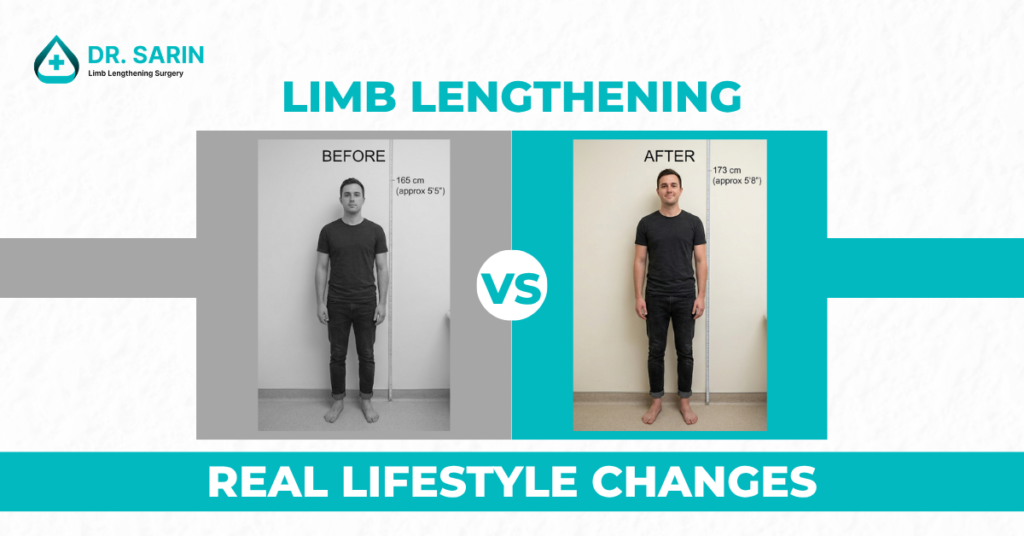
Limb lengthening is more than just gaining height. It is a journey that brings physical, emotional, and lifestyle changes. Many people think the only difference after limb lengthening is becoming taller, but in reality, the changes go beyond height. From daily routines to confidence levels, many aspects of life can change after limb lengthening. However, it is also important to understand that the process requires patience, commitment, and recovery time. Knowing what life looks like before and after limb lengthening helps patients set realistic expectations. In this article, we will explore real lifestyle changes that patients often experience before and after limb lengthening. Life Before Limb Lengthening Before limb lengthening, many individuals consider the procedure after thinking about their height for a long time. Some people may feel conscious about their height in social situations, while others may simply want to improve their proportions. Height concerns can affect different areas of life. Some individuals may avoid group photos, feel uncomfortable in crowds, or compare themselves with others. These feelings are different for each person. Some people are not affected much, while others think about it more often. In daily life, most individuals function normally before limb lengthening. They work, study, travel, and stay active. However, mentally, some people may feel limited or less confident due to their height. The decision to undergo limb lengthening usually comes after careful consideration. Patients often research, consult doctors, and understand the process before making a final decision. Lifestyle During the Limb Lengthening Journey The limb lengthening process itself requires temporary lifestyle adjustments. After surgery, patients need time to recover and gradually return to normal activities. During the initial recovery period, mobility may be limited. Patients may use support such as walkers or crutches. This phase requires patience, as the body adjusts to the lengthening process. Physiotherapy becomes a regular part of daily life. Patients usually follow a routine that includes exercises to maintain joint flexibility and muscle strength. This helps ensure proper recovery and movement. Daily routines may change temporarily. Activities like walking, sitting, and sleeping may require adjustments. Over time, as lengthening progresses, patients gradually become more comfortable. This stage is temporary and improves with proper care and guidance. Physical Changes After Limb Lengthening The most obvious change after limb lengthening is increased height. Patients often notice improved body proportions. This can make clothing fit differently and improve overall appearance. Posture often improves after height gain. Many patients naturally stand straighter and feel more balanced. This can enhance physical presence in daily life. Walking style may also improve after recovery. Initially, patients may need time to adjust, but once healing is complete, movement usually becomes natural. These physical changes gradually become part of daily life. Confidence Before vs After Limb Lengthening Confidence is one of the most common lifestyle changes reported by patients. Before limb lengthening, some individuals may feel self-conscious about their height. After gaining height, many feel more confident in social and professional settings. Confidence can improve body language. Patients may walk more comfortably, maintain better posture, and communicate more confidently. These small changes often create a noticeable difference. However, confidence develops gradually. It is not only about height but also about adjusting mentally to the change. Over time, most patients feel more comfortable with their new height. Social Life Before and After Limb Lenthening Before limb lengthening, some individuals may feel hesitant in social situations. They may compare their height with others or feel less noticeable in group settings. After gaining height, many patients report feeling more relaxed in social environments. They may participate more actively in conversations and social events. Meeting new people may feel easier for some individuals. Increased comfort often improves communication and interaction. However, social life also depends on personality. Height may improve comfort, but communication and attitude still play an important role. Daily Routine Changes Before & After Limb Lenthening Before limb lengthening, daily routines usually remain unchanged. People go about their work, studies, and personal activities normally. During the limb lengthening process, routines change temporarily. Physiotherapy, rest, and recovery become part of daily life. Patients must follow medical advice carefully. After full recovery, most individuals return to normal routines. Many patients resume work, travel, and physical activities without major restrictions. Over time, daily life becomes completely normal again. Professional Life Before and After Height can sometimes influence how individuals feel in professional settings. Before limb lengthening, some individuals may feel less confident in meetings or presentations. After gaining height, many patients feel more comfortable in professional environments. This improved confidence may help during interviews, meetings, or public speaking. However, professional success still depends on skills and experience. Height may improve presence, but performance remains the most important factor. Most patients focus on career growth after completing recovery. Clothing and Appearance Before & After Clothing often fits differently after height gain. Many patients notice improved proportions, which may make styling easier. Some individuals feel more comfortable experimenting with different clothing styles. Shopping for clothes may become more enjoyable. However, this is a small lifestyle change compared to overall confidence and comfort. Appearance changes are gradual and become part of normal life. Mental Adjustment After Height Gain After limb lengthening, there is a mental adjustment period. Patients may initially feel different due to their new height. This is completely normal. Over time, the body and mind adjust. Most individuals become comfortable within a few months. Once this adjustment happens, the new height feels natural. Mental adjustment plays an important role in long-term satisfaction. Long-Term Lifestyle Changes After Height Increase Long-term lifestyle changes are usually positive. Many patients report improved confidence, better posture, and increased comfort in social settings. Some individuals become more active after recovery. Others focus on personal development or career goals. These changes develop naturally over time. Height gain often acts as a confidence boost that encourages personal growth. Realistic Expectations It is important to have realistic expectations. Limb lengthening improves height and confidence, but it does not change personality or guarantee success.
How Height Affects First Impressions in Professional Life?
First impressions matter, especially in professional life. Whether it’s a job interview, business meeting, or networking event, people often form opinions within a few seconds. Many factors influence these first impressions, including communication skills, body language, appearance, and confidence. Among these factors, height also plays a role, though it is not the most important one. Height can influence how people are perceived in professional settings. While skills and experience always matter more in the long run, height may affect initial perception. Understanding this can help individuals prepare better and build confidence regardless of their height. Why First Impressions Matter in Professional Life? In professional environments, first impressions often happen quickly. During interviews, meetings, or introductions, people form opinions based on what they see and observe. This includes posture, confidence, dressing style, and communication. A confident presence often creates a positive impression. When someone walks into a room with good posture and calm body language, they appear more confident and professional. Height can sometimes contribute to this perception, as taller individuals may naturally appear more noticeable. However, it is important to understand that height alone does not define professionalism. Confidence, clarity in communication, and positive attitude matter much more. How Height Influences Perception? Height may influence how individuals are perceived in professional settings. Taller individuals are sometimes seen as more confident or authoritative. This perception is often based on social conditioning rather than actual ability. In group settings, taller individuals may appear more visible. This can sometimes make them stand out more easily. In meetings or presentations, visibility can affect how people notice and remember someone. However, shorter individuals can create equally strong impressions. Confidence, preparation, and communication skills play a much bigger role than height. Over time, performance and results matter far more than physical traits. Height and Confidence Height can sometimes affect self-confidence. Individuals who feel comfortable with their height often display better body language. Good posture, eye contact, and calm communication help create a strong impression. On the other hand, if someone feels conscious about their height, it may affect their body language. They may appear less confident, even if they are skilled and capable. This is why confidence is key. Height may influence how people feel, but confidence can be built through practice and experience. Many professionals who are not very tall still succeed because they focus on communication and skills. Height in Job Interviews During job interviews, first impressions happen quickly. The interviewer observes body language, communication style, and confidence. Height may be noticed, but it is rarely the deciding factor. A well-prepared candidate who communicates clearly usually leaves a strong impression. Dressing professionally and maintaining good posture can help improve presence. Candidates should focus on: Clear communication Good posture Eye contact Confidence These factors matter much more than height. Interviewers usually make decisions based on skills, knowledge, and attitude. Height and Leadership Perception Height is sometimes linked with leadership perception. Taller individuals may be seen as more authoritative in some situations. However, leadership depends on qualities like decision-making, communication, and teamwork. Many successful leaders are not necessarily tall. They succeed because of their ability to guide teams and make strong decisions. Leadership presence comes from confidence, clarity, and respect for others. These qualities can be developed by anyone. Height may influence first impressions, but leadership skills define long-term success. Body Language Matters More Than Height Body language plays a bigger role than height in professional settings. Good posture can make anyone appear confident and professional. Standing straight, maintaining eye contact, and speaking clearly create a strong presence. These habits help individuals create positive impressions regardless of height. Small changes in body language can improve professional presence significantly. Practicing confidence in daily interactions helps build a strong impression over time. Dressing and Professional Appearance Clothing and grooming also influence first impressions. Wearing well-fitted and professional clothing helps improve appearance. Good dressing style often boosts confidence. Proper grooming, neat appearance, and professional attire create a positive image. These factors matter more than physical traits. Individuals who focus on professional appearance often feel more confident and comfortable in professional settings. Communication Skills and First Impressions Communication is one of the most important factors in professional life. Clear and confident communication creates a strong impression. Speaking calmly and listening carefully shows professionalism. Being respectful and thoughtful in conversations also helps. Strong communication skills often outweigh any physical factors, including height. Professionals who communicate well usually leave lasting impressions. Building Confidence Regardless of Height Confidence can be developed with practice. People can improve their professional presence by focusing on: Improving communication skills Practicing good posture Dressing professionally Preparing for meetings These habits help individuals create strong impressions. Height may influence initial perception, but confidence and skills define long-term success. Long-Term Success Depends on Skills While height may affect first impressions slightly, long-term success depends on performance. Professionals are judged based on their work, attitude, and results. Many individuals succeed because of their dedication and expertise. Height becomes less important as people demonstrate their abilities. Building skills, gaining experience, and maintaining professionalism lead to career growth. Final Thoughts Height can influence first impressions in professional life, but it is not the most important factor. Confidence, communication, and skills matter far more. Individuals who focus on personal growth can create strong impressions regardless of their height. Professional success depends on performance and attitude. Height may affect initial perception, but long-term success comes from hard work and confidence. By focusing on communication, posture, and preparation, anyone can build a strong professional presence and achieve their career goals. You May Also Like: Life After Gaining Height: Confidence, Career & Social Impact Bone Density & Its Impact on Limb Lengthening Success Role of Stem Cells in Bone Regeneration During Lengthening Scars After Leg Lengthening Surgery: Types, Treatments and Differences How Safe Is Limb Lengthening Surgery? Risks and Precautions
Life After Gaining Height: Confidence, Career & Social Impact
Height is something many people think about at some point in their lives. For some, it becomes a major concern, especially when they feel shorter than others around them. This can affect confidence, social interactions, and even professional life. For people who undergo limb lengthening and gain height, the change is not only physical but also emotional and social. Life after gaining height often brings noticeable changes. Many patients report improved confidence, better social comfort, and a more positive outlook. However, it’s also important to understand that height gain is just one part of personal growth. Confidence and success still depend on personality, skills, and mindset. In this article, we’ll explore how life changes after gaining height and what patients can realistically expect. The Emotional Journey After Gaining Height One of the first changes people notice after gaining height is an emotional shift. Many individuals who felt conscious about their height often experience a boost in confidence. Standing taller can make people feel more comfortable in public settings. Before height gain, some individuals may avoid social situations or feel uncomfortable in group settings. After gaining height, these feelings often reduce. People may feel more relaxed when meeting new individuals or speaking in public. This emotional change does not happen overnight. It usually develops gradually as people adjust to their new height and appearance. Over time, many patients begin to feel more confident in daily life. It’s important to understand that confidence comes from within. Height can improve self-image, but building long-term confidence still depends on personal growth and experiences. Improved Self-Confidence in Daily Life After gaining height, many patients report feeling more confident in everyday situations. Simple things like walking into a room, standing in a group, or taking photos can feel different. Some people previously felt overlooked in conversations or group settings. After height gain, they may feel more noticeable and comfortable expressing themselves. This can improve communication and social interaction. Confidence can also improve body language. People often stand straighter, walk more confidently, and maintain better eye contact. These small changes can make a big difference in how others perceive them. Over time, this improved confidence becomes natural and part of daily life. Social Life After Height Gain Height can sometimes influence how people feel in social situations. Some individuals who are shorter may feel self-conscious, especially in gatherings or events. After gaining height, many people feel more at ease in these situations. Social interactions may become smoother. People may feel more comfortable meeting new friends, attending events, or participating in group activities. This change is often linked to improved self-confidence. Many patients also report feeling less anxious in public settings. This helps them enjoy social life more freely. However, it’s important to remember that social skills still matter. Height may improve comfort, but personality and communication remain important. Over time, most patients adapt to their new height and develop a more relaxed social presence. Impact on Professional Life Height can sometimes influence first impressions in professional settings. While skills and experience matter the most, physical appearance can still play a small role in how people are perceived. After gaining height, some individuals feel more confident in professional environments. This can help during interviews, meetings, and presentations. Feeling confident often improves communication and overall performance. People may also feel more comfortable taking leadership roles. Confidence plays a big role in leadership, and height gain can contribute to that confidence. However, it’s important to keep expectations realistic. Height alone does not guarantee career success. Hard work, skills, and experience remain the most important factors. Height gain may simply help individuals feel more confident in pursuing opportunities. Body Image and Self-Perception Height gain often improves body image. Many people feel more balanced and proportionate after gaining height. This can improve overall self-perception. Some individuals also feel more comfortable with clothing. Finding the right fit may become easier. People may feel more confident experimenting with different styles. This improvement in body image can also impact mental well-being. Feeling good about one’s appearance often leads to a more positive mindset. However, it’s important to avoid unrealistic expectations. Height gain improves appearance, but overall personality and self-acceptance still matter. Relationships and Social Comfort Height can sometimes affect personal relationships, especially when individuals feel insecure about their height. After gaining height, many patients feel more comfortable in relationships. Confidence often improves communication and social comfort. This can help individuals express themselves better and connect with others more easily. Some patients also report feeling more relaxed in social gatherings. They may feel less conscious about standing next to taller individuals. These changes usually develop gradually. As confidence grows, social comfort improves naturally. Adjusting to the New Height After gaining height, there is a period of adjustment. People may initially feel different in daily activities. Simple things like reaching shelves, walking posture, or clothing fit may change. Over time, the body and mind adjust to the new height. Most people adapt naturally within a few months. This adjustment period is normal and expected. Patients often become more aware of their posture and movement during this time. Physiotherapy and regular activity help improve comfort. Once adjustment is complete, the new height becomes a natural part of daily life. Realistic Expectations After Height Gain It’s important to maintain realistic expectations. Height gain can improve confidence and comfort, but it does not automatically change life completely. Success still depends on personal efforts. Confidence grows through experience, learning, and personal development. Height gain simply helps create a positive starting point. Patients who understand this often have better emotional outcomes. They focus on personal growth along with physical changes. This balanced approach leads to long-term satisfaction. Mental Well-Being After Height Gain Many patients report improved mental well-being after gaining height. Reduced insecurity and improved confidence often lead to a more positive outlook. People may feel more motivated to try new things. This may include career opportunities, social events, or personal goals. Increased confidence often encourages personal growth. However, mental well-being
Bone Density & Its Impact on Limb Lengthening Success
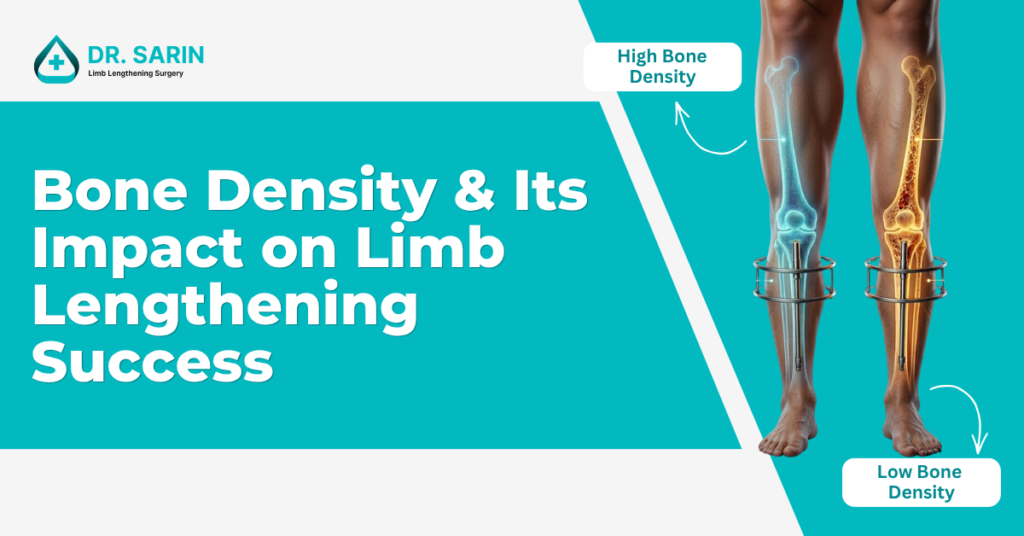
Limb lengthening is a complex medical procedure that requires careful planning, proper technique, and strong bone healing. One of the most important factors that affects the success of limb lengthening is bone density. Many patients focus on height gain and recovery time, but bone density plays a major role in how well the bone heals and how safe the process is. Understanding bone density in simple terms can help patients prepare better and improve their results. What Is Bone Density? Bone density refers to how strong and solid your bones are. Bones are not completely solid. They have a structure inside that looks like a sponge. When bone density is good, this structure is strong and compact. When bone density is low, bones become weaker and more fragile. In limb lengthening, the bone is slowly separated so that new bone can form. If the bone density is good, the bone heals faster and becomes stronger. But if bone density is low, healing can be slower and there may be a higher risk of complications. That is why doctors always check bone health before planning limb lengthening surgery. Why Bone Density Matters in Limb Lengthening? Limb lengthening depends on the body’s ability to form new bone. This new bone must be strong enough to support the body weight and daily movement. Bone density directly affects this process. When bone density is good, new bone forms more easily. The bone becomes strong faster and patients can recover smoothly. On the other hand, low bone density can slow down bone formation. This may increase treatment time and require more monitoring. Bone density also affects the stability of the bone during lengthening. Strong bones hold the devices better and reduce the risk of complications. This helps make the lengthening process safer. How Doctors Check Bone Density? Before limb lengthening surgery, doctors usually evaluate bone health. This may include physical examination, medical history, and sometimes special tests. One common test used is a bone density scan. This test measures how strong the bones are. The test is simple and painless. It helps doctors understand whether the patient is ready for limb lengthening or needs preparation first. In many cases, even if bone density is slightly low, patients can still undergo limb lengthening. Doctors may recommend improving bone strength before surgery. Who May Have Low Bone Density? Some people naturally have lower bone density than others. Age is one of the common factors. As people grow older, bone density may decrease. However, young adults can also have low bone density due to lifestyle or nutrition. Low bone density may be seen in: People with poor nutrition Individuals with low calcium intake People who avoid sunlight Smokers Individuals with sedentary lifestyle These factors affect bone strength over time. Bone Density and Bone Healing Bone healing is the most important part of limb lengthening. After surgery, the bone is slowly lengthened and new bone starts forming. Good bone density supports this process. When bone density is strong, bone regeneration is smooth. The new bone becomes solid and stable. Patients may experience fewer delays and smoother recovery. When bone density is low, bone regeneration may be slower. The new bone may take more time to harden. Limb Lengthening Doctors may slow down the lengthening rate to allow proper healing. This does not mean limb lengthening cannot be done. It simply means extra care and monitoring may be required. Can Bone Density Be Improved Before Surgery? Yes, bone density can be improved. Doctors often recommend improving bone health before limb lengthening. This preparation helps reduce complications and improves results. Improving bone density usually involves lifestyle changes and proper nutrition. These changes may start weeks or months before surgery. Eating a balanced diet is one of the most important steps. Calcium and vitamin D play a big role in bone strength. Protein is also important for bone healing. Foods that support bone health include dairy products, green vegetables, nuts, eggs, and fish. These foods provide nutrients needed for strong bones. Sunlight exposure also helps the body produce vitamin D. Spending some time in sunlight daily can support bone health. Regular exercise also improves bone density. Simple activities like walking and light strength exercises help keep bones strong. Bone Density During Lengthening Phase During limb lengthening, bone density continues to play an important role. As the bone is lengthened, new bone starts forming in the gap. This new bone needs time to become strong. Patients must follow medical advice carefully during this period. Physiotherapy helps maintain joint movement and improves blood circulation. Better circulation supports bone formation. Doctors monitor bone formation using regular X-rays. This helps ensure the bone is healing properly. If bone density is good, the bone gradually becomes stronger. Patients may progress smoothly through the lengthening phase. Bone Density and Recovery Time Bone density also affects how long recovery takes. Strong bone density may lead to faster recovery. Patients may return to normal activities sooner. Low bone density may increase recovery time. The bone may need more time to harden fully. This is normal and doctors adjust the treatment accordingly. Recovery time varies from patient to patient. Bone density is just one of the factors that influence healing. Supplements for Bone Density Doctors sometimes recommend supplements to improve bone health. These may include calcium, vitamin D, and other nutrients. Supplements help support bone formation during limb lengthening. Patients should only take supplements recommended by their doctor. Taking too many supplements without guidance is not recommended. A balanced diet combined with supplements often gives the best results. Lifestyle Habits That Affect Bone Density Certain lifestyle habits can impact bone density. Smoking is one of the biggest factors that weaken bones. Smoking reduces blood flow and slows bone healing. Alcohol consumption may also affect bone strength. Doctors usually advise avoiding alcohol during limb lengthening. Lack of physical activity can also reduce bone density. Staying active helps maintain bone strength. Maintaining a healthy weight is also important. Being underweight may affect
Role of Stem Cells in Bone Regeneration During Lengthening
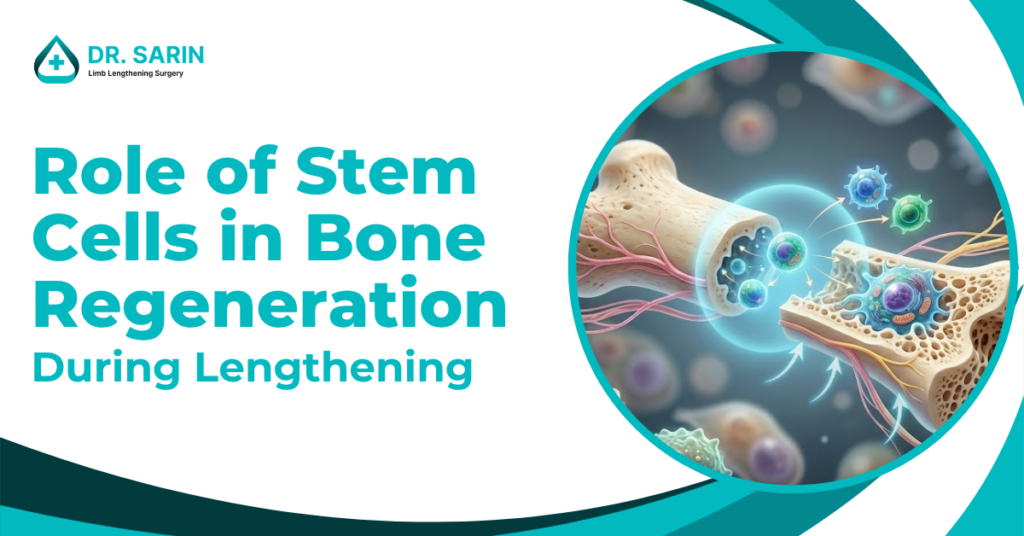
Limb lengthening is a medical procedure that helps people increase their height or correct unequal leg length. While the surgery itself is important, the real success of limb lengthening depends on how well the bone heals and grows. This healing process is called bone regeneration. One of the most important factors behind bone regeneration is stem cells. Stem cells are naturally present in our body and they play a big role in forming new bone during limb lengthening. Understanding how stem cells work can help patients know what to expect during recovery and how to improve healing. Understanding Bone Regeneration in Limb Lengthening In limb lengthening surgery, the doctor carefully cuts the bone in a controlled way. After that, a special device is used to slowly separate the bone. As the bone moves apart, a gap is created between the two ends. The body then starts filling this gap with new bone. This process is slow and gradual. Usually, the bone is lengthened around 1 mm per day. This slow movement allows the body enough time to create strong and healthy new bone. During this process, stem cells play a major role. They move to the area where the bone was cut and begin forming new bone tissue. Without stem cells, proper bone regeneration would not be possible. What Are Stem Cells? Stem cells are special cells in the body that have the ability to change into different types of cells. These cells act like repair cells. When there is an injury or surgery, stem cells move to that area and start healing. In limb lengthening, stem cells help in forming: New bone cells Blood vessels Soft tissues around the bone These elements are important for proper healing and successful lengthening. You can think of stem cells as the body’s natural repair system. When the bone is lengthened, stem cells automatically start working to rebuild the bone. Stages of Bone Regeneration and Role of Stem Cells Bone regeneration during limb lengthening happens in different stages. Each stage depends on stem cells for healing. Initial Healing Phase After surgery, the body starts healing the bone cut area. Blood collects around the bone and forms a soft tissue. During this time, stem cells begin gathering at the site. These stem cells prepare the area for new bone formation. This stage usually lasts around 5 to 7 days. It is very important because it sets the foundation for bone regeneration. Distraction Phase This is the stage when lengthening begins. The bone is slowly pulled apart using a device. As the gap increases, stem cells multiply and start forming new bone tissue. During this stage, stem cells also help create new blood vessels. Good blood supply improves bone growth and speeds up healing. This phase continues until the desired height or correction is achieved. Consolidation Phase Once lengthening is complete, the new bone needs to become strong. Stem cells continue working to harden the bone and improve its strength. This stage can take a few months depending on the patient and lengthening amount. Proper care during this stage is important to avoid complications. Why Stem Cells Are Important for Limb Lengthening Success? Stem cells help improve bone regeneration and reduce complications. When stem cells work properly, the new bone forms faster and becomes stronger. Good stem cell activity leads to smoother recovery. Patients may experience better healing and shorter treatment time. It also reduces the chances of delayed bone formation, which can sometimes occur in limb lengthening. Stem cells also help in improving blood supply around the bone. Better blood flow means better healing and stronger bone formation. In simple words, stem cells help the body recover naturally and safely. Natural Stem Cells in the Body The good thing is that the body already has stem cells. These natural stem cells start working automatically after limb lengthening surgery. Most patients do not need any special treatment because natural stem cells are enough for bone regeneration. However, some factors affect how well stem cells work. Age, lifestyle, and nutrition all play a role. Younger patients usually heal faster because their stem cells are more active. Adults may take slightly longer, but good care can improve healing. Stem Cell Therapy in Some Cases In some situations, limb lenthening doctors may use stem cell therapy to improve bone healing. This is usually done when bone regeneration is slow or when the patient has a higher risk of delayed healing. In stem cell therapy, stem cells are taken from the patient’s body, usually from bone marrow. These cells are then injected near the bone lengthening area. This helps boost bone formation and improve healing. Not every patient needs stem cell therapy. Doctors recommend it only when necessary. Factors That Help Stem Cells Work Better Patients can improve bone regeneration by supporting stem cell activity. A healthy lifestyle plays a big role in this process. Eating a balanced diet is very important. The body needs protein, calcium, and vitamins to form new bone. Foods like milk, eggs, green vegetables, and nuts can support healing. Regular physiotherapy also improves blood circulation. Better circulation helps stem cells reach the bone faster. This improves bone formation. Sleep is another important factor. During sleep, the body repairs itself and stem cells work actively. Getting enough rest can improve recovery. Smoking and alcohol should be avoided during limb lengthening. These habits slow down healing and reduce stem cell activity. Doctors strongly advise patients to avoid them. Signs of Good Bone Regeneration Doctors monitor bone healing using regular X-rays. When stem cells are working properly, the new bone becomes visible in the gap. Over time, this bone becomes stronger and more solid. Patients may also feel improved stability and reduced discomfort as bone strength increases. Good bone regeneration usually leads to smoother recovery. What Happens If Bone Healing Is Slow Sometimes bone regeneration may be slower than expected. This can happen due to age, poor nutrition, or large lengthening amounts. In such cases, doctors
Scars After Leg Lengthening Surgery: Types, Treatments and Differences
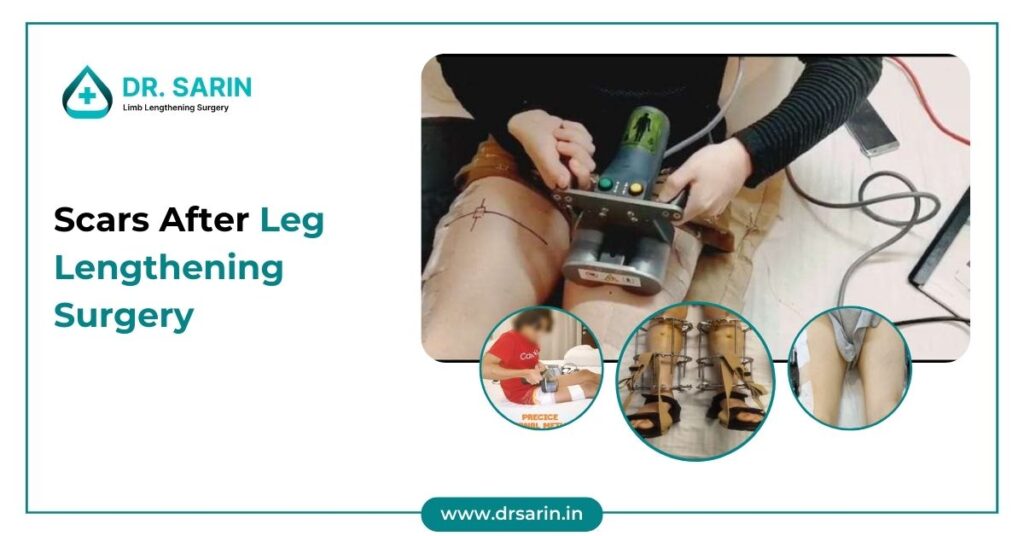
Leg lengthening surgery is a remarkable medical procedure that offers the potential for increased height or correction of limb deformities. While the surgery holds promising results, it often raises concerns about scarring. Scars are an inevitable part of the healing process after any surgical intervention, including leg lengthening procedures. Understanding the types of scars, their treatments, and their differences is crucial for individuals considering or recovering from leg lengthening surgery. Types of Scars After Leg Lengthening Surgery Treatments for Scars After Leg Lengthening Surgery Differences in Scars and Their Impact The type and visibility of scars post-leg lengthening surgery can differ significantly among individuals. Genetics, skin type, and adherence to scar care routines are pivotal in scar formation and visibility. Moreover, the impact of scars extends beyond their physical appearance. Scars can affect one’s self-esteem and body image, especially in apparent areas. Addressing concerns about scarring before undergoing leg lengthening surgery is crucial to managing expectations and developing a comprehensive post-operative care plan. Post-Operative Scar Care Tips Conclusion Scarring after leg lengthening surgery is an inherent part of the healing process. Understanding the types of scars, available treatments, and their potential impact is vital for individuals considering or recovering from this procedure. While scars may be inevitable, proactive scar care and adherence to medical advice can significantly reduce their visibility and improve the overall healing process, ultimately contributing to a more satisfying outcome for the individual. FAQs About Scars After Leg Lengthening Surgery Q 1. Does limb lengthening surgery leave scars?Yes, limb lengthening surgery leaves scars as part of healing. These may be linear, hypertrophic, or keloid, but proper care and treatments can reduce their visibility over time. Q 2. What types of scars form after leg lengthening surgery?Common scar types include linear scars from incisions, hypertrophic scars that stay within the wound, and keloid scars that grow beyond the incision and appear raised. Q 3. How can scars after limb lengthening surgery be treated?Scars can be treated using silicone gels, steroid injections, laser therapy, or surgical revision. These treatments help reduce redness, flatten raised scars, and improve overall skin appearance. Q 4. Do scars from leg lengthening surgery fade over time?Yes, many scars gradually fade and become less visible with time. Proper scar care, consistency, and following medical advice play a major role in improving their appearance. Q 5. What factors affect scar appearance after surgery?Scar appearance depends on genetics, skin type, healing ability, and post-operative care. Following proper hygiene and using recommended scar treatments can significantly improve final results. Also Read: Returning to Work and Daily Life After Limb Lengthening Surgery Why do surgeons use an external fixator for limb lengthening procedures? Reasons Why People Get Cosmetic Leg-Lengthening Surgery Done Does Limb lengthening surgery have any downsides? Limb Lengthening History
What’s The Average Height Per Country?
Height is one of the most visible traits that vary across populations globally. Multiple factors can influence it, including genetics, environment, nutrition, and healthcare. Countries exhibit different average heights, which can also reflect historical changes in living conditions. Over the years, numerous studies on the average height of individuals in various countries have revealed interesting global trends and differences. Factors Influencing Average Height Before we dive into the numbers, it’s essential to understand the factors influencing average height. The most prominent factors include: Average Height Across Various Countries Let’s explore the average height in different parts of the world: Country Name Average Height (Male) Average Height (Female) India 165 cm 152 cm Netherland 183 cm 170 cm Denmark 181 cm 169 cm United States 175 cm 162 cm Japan 170 cm 158 cm Brazil 173 cm 160 cm China 170 cm 160 cm South Africa 170 cm 158 cm Australia 178 cm 164 cm Germany 180 cm 166 cm 1. Average Height in India India is one of the most populous countries in the world, and average human height in India reflects its diverse genetics and varying access to nutrition. The average height of an adult male in India is approximately 5’5” (5 foot 5 inches) in feet or 165 cm, while the average height of an adult female is 5’0” (5 feet) in Feet or 152 cm. Various studies suggest that while genetics play a role, factors such as malnutrition, socio-economic disparities, and healthcare access contribute to the lower average height compared to Western countries. However, in urban areas where diets are improving, the younger generations are showing slight increases in height. 2. Average Height of People in Netherlands The Dutch are among the tallest people in the world. The average height of an adult male in the netherlands is approximately 6 feet 0r 183 cm, while average netherlands woman height is around 5’7″ (5 feet 7 inches) in feet or 170 cm. Various studies have shown that genetics and a rich, dairy-heavy diet contribute to their taller-than-average stature. 3. Average Height of People in Denmark Like the Netherlands, Denmark also ranks among the countries with the tallest people. The average height for Danish men is about 5’11” (181 cm), and for women, it’s about 5’7″ (169 cm). The high standard of living and access to healthcare and nutritious food are primary contributors to their average height. 4. Average Height of Peoples in United States In the U.S., the average height for men is about 5’9″ (175 cm), while for women, it’s around 5’4″ (162 cm). Although Americans were once among the tallest populations globally, their average height has remained relatively stagnant over the last few decades, possibly due to increased obesity and other lifestyle-related health issues. 5. Average Height of Japanese Japan has a shorter average height compared to Western nations. The average height for Japanese men is about 5’7″ (170 cm), and for women, it’s approximately 5’2″ (158 cm). The traditional Japanese diet, rich in vegetables and fish but low in dairy, has contributed to their shorter stature. However, with changing diets and improved nutrition, younger generations in Japan are showing increases in height. 6. Average Height in Brazil In Brazil, the average height is around 5’8″ (173 cm) for men and 5’3″ (160 cm) for women. Brazil’s ethnic diversity, which includes a mix of European, African, and indigenous ancestry, results in a broad range of heights across the population. 7. Average Height in China In China, the average height for men is around 5’7″ (170 cm), and for women, it’s about 5’3″ (160 cm). Like India, China’s rapid urbanization and economic development have led to improved access to nutrition and healthcare, increasing average height, particularly among the younger population. 8. Average Height of South African Peoples South Africa, known for its diverse population, has an average height of around 5’7″ (170 cm) for men and 5’2″ (158 cm) for women. The population’s mixed ancestry and varying socio-economic conditions contribute to these averages. 9. Average Height of Peoples in Australia In Australia, the average height for men is about 5’10” (178 cm), and for women, it’s around 5’6″ (164 cm). With access to good healthcare, nutritious food, and active lifestyles, Australians rank among the taller populations worldwide. 10. Average Height in Germany Germany is a European country known for its strong economy and high standard of living, and average human height in Germany reflects good nutrition and overall health. The average height of an adult male in Germany is approximately 5’11” (5 foot 11 inches) in feet or 180 cm, while the average height of an adult female is 5’5” (5 foot 5 inches) in feet or 166 cm. Studies indicate that genetics, balanced nutrition, and healthcare access contribute to the relatively taller stature compared to global averages. Urban and younger populations in Germany often show slightly higher heights due to continued improvements in diet and lifestyle. Global Trends in Height Over the past century, the average height in many countries has steadily increased, primarily due to better living conditions and improved nutrition. European countries have seen remarkable increases in average height, while countries in Asia, Africa, and Latin America have shown slower growth trends. In developing countries like India, malnutrition and unequal healthcare access are significant factors contributing to shorter stature. However, there are cases where the average height has plateaued or even decreased in specific populations. In the U.S., for instance, the average height has remained relatively stagnant in recent decades, potentially due to the rising rates of obesity and other health issues that affect growth. Final Thoughts The average height of individuals varies widely from country to country and is influenced by many factors, including genetics, nutrition, healthcare, and living conditions. While countries like the Netherlands and Denmark boast some of the tallest populations in the world, nations like India, Japan, and China have relatively shorter averages. In India, the average height reflects the country’s socio-economic challenges and disparities in healthcare and nutrition. While
Limb Lengthening Surgery Recovery Time: When Can You Return to Work & Sports?
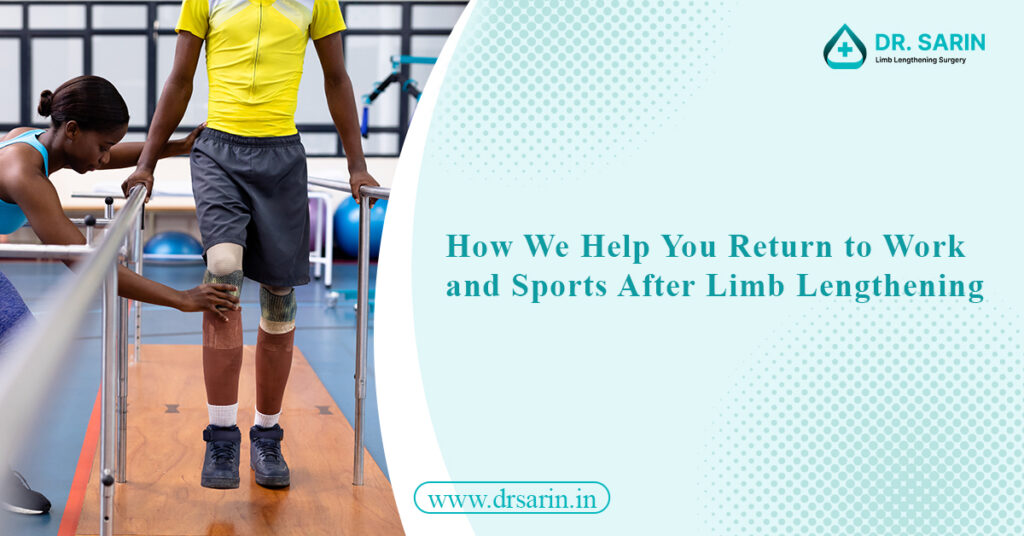
Limb lengthening surgery recovery time typically ranges between 6-12 months. Most patients return to desk jobs within 8-12 weeks, resume low-impact sports by 3-4 months, and return to high-impact or contact sports between 9-12 months, depending on bone healing, muscle strength, and rehabilitation progress. If you’re wondering whether you can play sports after limb lengthening surgery or how long it takes to fully recover, this detailed guide explains everything step by step. Understanding Limb Lengthening Surgery Recovery Time Recovery after limb lengthening surgery happens in structured phases. Every patient heals at a different speed depending on: Age Amount of length gained Bone healing capacity Pre-surgery fitness level Commitment to physiotherapy 1. Bone Healing Phase (0-3 Months) During the first three months: New bone (regenerate bone) forms gradually You may use crutches or a walker Focus remains on protection and gentle movement This is the most critical phase for bone consolidation. 2. Strength & Mobility Phase (3-6 Months) Once bone formation stabilizes: Muscle strengthening increases Joint flexibility improves Balance and gait training begins Most patients start walking more confidently during this phase. 3. Return to Full Activity (6-12 Months) This stage focuses on: Advanced strengthening Impact tolerance Sports-specific rehabilitation Functional movement training Full recovery timeline varies, but structured rehab ensures safe progress. Leg Lengthening Surgery Recovery Timeline for Sports Here is a simplified sports recovery timeline: Activity Expected Timeline Walking without support 8-12 weeks Swimming 3-4 months Cycling 3-4 months Yoga 3-5 months Light jogging 6-9 months Weight training 6-9 months Football / Basketball 9-12 months This is the typical leg lengthening surgery recovery timeline for return to sports, but clearance from your surgeon is essential. Can You Play Sports After Limb Lengthening Surgery? Yes, most patients can return to sports after limb lengthening surgery. However, the timing depends on: Complete bone healing Muscle strength recovery Joint flexibility Gait normalization Low-impact sports are introduced first, followed by higher-impact activities. Can I Play Football After Limb Lengthening Surgery? Football is a high-impact, contact sport that requires: Strong quadriceps and hamstrings Stable knee and ankle joints Proper balance and coordination Full bone consolidation Most patients can return to football after 9-12 months, once medical clearance is provided and strength testing is satisfactory. Returning too early increases risk of stress fractures or muscle strain. Height Increase Surgery Recovery Time: What to Expect Limb lengthening surgery is often referred to as height increase surgery. The recovery time for height increase surgery generally follows this pattern: 2-3 months for desk job return 4-6 months for moderate physical activity 6-12 months for sports participation Patience and structured physiotherapy are key for safe recovery. Returning to Work After Limb Lengthening Surgery Your return to work depends on your job type: Office-Based Jobs: Most patients return within 8–12 weeks. Physically Demanding Jobs: Jobs requiring standing, lifting, or fieldwork may take 4–6 months. We provide: Medical documentation Gradual work re-entry planning Clearance certificates Step-by-Step Rehabilitation Program Rehabilitation starts within days after surgery. Our structured program includes: Early Stage: Assisted walking with crutches Gentle range-of-motion exercises Pain management strategies Mid Stage: Resistance band exercises Core strengthening Hamstring and calf stretching Advanced Stage: Gait retraining Sport-specific drills Plyometric conditioning This progressive approach reduces long-term stiffness and improves walking symmetry. Preventing Complications During Recovery Without proper rehab, patients may experience: Joint stiffness Muscle tightness Uneven gait Contractures To prevent this: Attend all physiotherapy sessions Avoid running too early Use orthotic support if recommended Do not ignore persistent pain Psychological Support During Recovery Recovery after limb lengthening surgery is both physical and mental. We provide: Emotional counseling Motivation sessions Regular follow-ups Support community access Confidence plays a huge role in returning to sports safely. Frequently Asked Questions (FAQs): What is the recovery time after limb lengthening surgery? Most patients recover within 6-12 months, depending on activity level and healing speed. Can you play sports after limb lengthening surgery? Yes. Low-impact sports begin around 3-4 months, while contact sports resume after 9-12 months with clearance. Can I run again after leg lengthening surgery? Light jogging usually starts between 6-9 months, depending on bone strength and muscle recovery. Will I regain full strength? With consistent rehabilitation, most patients regain pre-surgery strength. Can I lift weights after height increase surgery? Yes, but progressive loading under supervision is recommended starting around 6 months. Final Thoughts Returning to work and sports after limb lengthening surgery is absolutely possible with the right recovery plan. The key factors are: Patience Structured rehabilitation Regular follow-ups Gradual return to impact activities When recovery is managed correctly, most patients not only return to normal life, but often return stronger and more confident than before. You May Also Like to Read: Limb Lengthening Surgery in 2026 Limb Lengthening Surgery in India How to Lengthen Legs Naturally & Surgically in 2026 Can I Still Run After Height Increase Surgery? Pain Management After Limb Lengthening Surgery
Average Height and Weight chart for Indian Man and Woman
Understanding the average height and weight of men and women can provide insights into a population’s general health and well-being. In India, these averages vary slightly depending on region, diet, and lifestyle. Below is a guide to the average height and weight for Indian men and women, helping you understand where you stand regarding national averages. 1. Average Height and Weight for Indian Men The average Indian male heigh is approximately 5 feet 5 inches to 5 feet 8 inches (165cm to 172 cm), while the average weight ranges between 65-75 kg. However, this can differ based on region, with men from northern states often being taller than those from the other areas due to dietary and environmental factors. Age Group Average Height (cm) Average Weight (kg) 18-25 167-172 60-70 26-35 168-173 65-75 36-45 167-172 68-78 46-60 165-170 70-80 2. Average Height and Weight for Indian Women The average height of an Indian woman is around 5 feet 3 inches (160 cm), while her average weight is typically between 55-65 kg. Like men, women’s height and weight can vary based on nutrition and location. Age Group Average Height (cm) Average Weight (kg) 18-25 152-160 50-60 26-35 154-162 55-65 36-45 153-161 58-68 46-60 151-159 60-70 3. Factors Influencing Indian Average Weight and Height While genetics play a significant role in determining weight and height, other factors such as nutrition, lifestyle, and healthcare access also contribute to variations. For instance, individuals from urban areas often have better access to healthcare and balanced diets, which positively impacts their growth and development. Additionally, regular physical activity helps maintain a healthy weight. 4. Indian Average Height Trends Indian average height has gradually increased over the years due to improvements in nutrition and healthcare. Younger generations, especially in urban areas, tend to be taller than previous generations. However, despite this growth, Average height remains slightly below global averages. Conclusion Knowing the average height and weight of Indian men and women can help individuals assess their physical health relative to national standards. While genetic factors play a crucial role, lifestyle choices such as a balanced diet and regular exercise are essential in maintaining healthy weight and height proportions. Remember that these averages are just guidelines, and individual health goals should always prioritize overall well-being over societal standards.