
What Conditions Can Limb Lengthening Surgery Effectively Treat?

Limb lengthening surgery is a specialized orthopedic procedure used to increase the length of bones, typically in the legs or arms, and can effectively treat several medical and cosmetic conditions. Below is a concise overview of conditions it addresses, based on medical insights and standard practices: Conditions Treated by Limb Lengthening Surgery 1. Congenital Limb Length Discrepancy: Description: Conditions present at birth, such as congenital short femur, fibular hemimelia, or proximal femoral focal deficiency, where one limb is shorter than the other. Effectiveness: Surgery equalizes limb lengths, improving function, gait, and reducing compensatory issues like scoliosis or joint pain. 2. Acquired Limb Length Discrepancy: Description: Discrepancies caused by trauma (e.g., fractures), infections (e.g., osteomyelitis), or growth plate injuries that impair bone growth. Effectiveness: Restores symmetry, enhances mobility, and prevents long-term complications like arthritis or back pain. 3. Short Stature Disorders: Description: Genetic or endocrine conditions like achondroplasia (a common form of dwarfism), Turner syndrome, or hypochondroplasia, where individuals have disproportionately short limbs or overall height. Effectiveness: Increases height (often 6–12 inches in achondroplasia) and improves limb proportions, enhancing physical function and quality of life. 4. Bone Deformities: Description: Conditions like bowlegs (genu varum), knock-knees (genu valgum), or rotational deformities often associated with skeletal dysplasias or trauma. Effectiveness: Corrects angular deformities while lengthening bones, improving alignment and weight-bearing capacity. 5. Nonunion or Malunion Fractures: Description: Bones that fail to heal properly (nonunion) or heal in a misaligned position (malunion) after fractures. Effectiveness: Stimulates bone regeneration and corrects length or alignment, restoring function. 6. Bone Defects or Loss: Description: Loss of bone due to tumors, infections, or severe trauma, creating gaps or shortened segments. Effectiveness: Regenerates bone through distraction osteogenesis, filling gaps and restoring limb length. 7. Cosmetic Height Enhancement: Description: Elective lengthening for individuals seeking increased height due to personal or social reasons, without underlying medical conditions. Effectiveness: Can add 2–6 inches in height, improving self-esteem, though it carries risks and requires careful psychological evaluation. Procedure, Effectiveness Factor, Risks Procedure: Limb lengthening or height increase surgery typically involves cutting the bone (osteotomy), attaching an external fixator or internal device (e.g., PRECICE nail), and gradually lengthening the bone through distraction osteogenesis (1 mm/day). The process includes lengthening and consolidation phases, lasting months. Effectiveness Factors: Success depends on patient age, bone quality, compliance with physical therapy, and surgeon expertise. Children and adolescents often achieve better outcomes due to active growth plates. Risks: Includes infection, nerve damage, joint stiffness, or prolonged recovery, requiring careful patient selection and postoperative care. Specific Considerations Achondroplasia: Lengthening is common for arms and legs to improve reach and mobility, often performed in stages. Limb Discrepancy: Effective for discrepancies >2 cm, where shoe lifts are insufficient. Cosmetic Cases: Controversial due to high costs (₹10–50 lakh in India) and risks; not covered by insurance. If you’re considering this surgery for a specific condition or have a case in mind (e.g., for yourself or someone else), please share more details, and I can provide insights or guide you on next steps, such as finding specialists in India. You May Also Like to Read: Average Height of UK 2025 Can I Still Run After Height Increase Surgery? Why Height Increases Stop After 18? Height Increase Surgery Complications Pain Management After Limb Lengthening Surgery
Height Increase Surgery Complications
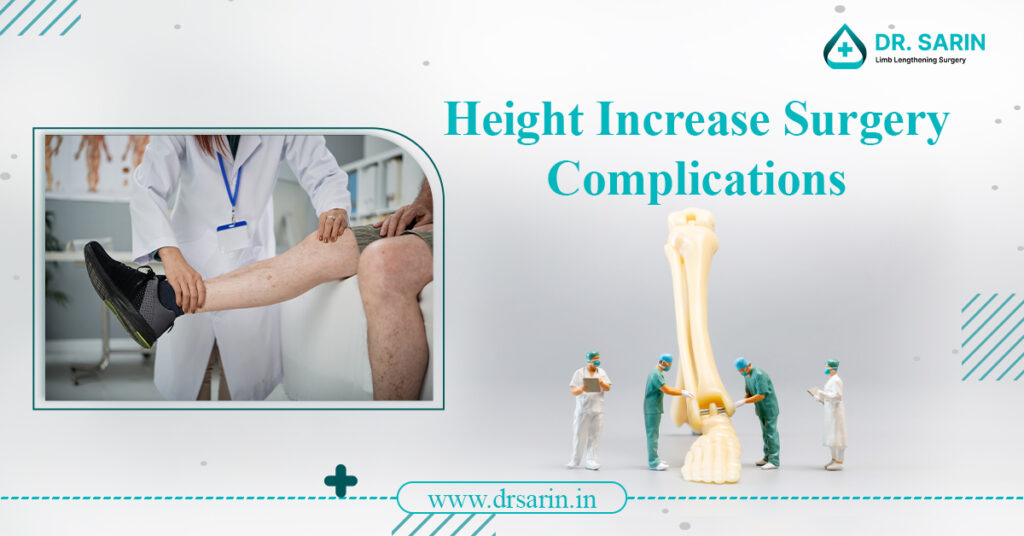
Height Increase Surgery Complications: Understanding the Risks Involved in Limb Lengthening Procedures Height increase surgery—also known as limb lengthening surgery—has grown in popularity among individuals seeking not only to correct limb discrepancies but also to improve self-confidence and quality of life. While it offers life-changing benefits, it’s essential to understand that the procedure is complex and comes with potential complications. As with any major surgical intervention, being informed about the risks is just as important as knowing the benefits. This guide offers an overview of the common and rare complications associated with height increase surgery and highlights the importance of expert care in minimizing them. What Is Height Increase Surgery? Height increase surgery is based on the technique of distraction osteogenesis, where the bone is surgically cut and gradually lengthened using an external or internal device. Over time, new bone, muscle, and tissue grow in the gap, allowing for an increase in height. While advancements in technology have made the procedure safer and more predictable, it still involves significant strain on the body, particularly the musculoskeletal and nervous systems. Common Complications After Height Increase Surgery 1. Pain and Discomfort Pain is a natural response post-surgery, especially during the distraction phase. If not managed well, it can affect mobility, sleep, and mental health. Proper pain management plans are essential to keep discomfort at bay. 2. Joint Stiffness Muscles, tendons, and ligaments are also being stretched. Without proper physiotherapy, stiffness in the ankle, knee, or hip joints may occur. Regular stretching and guided physical therapy help minimize this risk. 3. Nerve Irritation or Damage Nerves may be stretched along with the bones. This can lead to numbness, tingling, or weakness. In rare cases, nerve damage can be long-term, but this is typically avoidable with proper monitoring. 4. Delayed Bone Healing Sometimes the new bone doesn’t regenerate as quickly as expected. Poor nutrition, smoking, or inadequate rest can contribute to this issue. Additional procedures or bone grafting may be required in such cases. 5. Muscle Tightness and Cramps Muscles may not adapt as quickly as bone. This can result in tightness, spasms, or even temporary deformities. Ongoing physical therapy and muscle relaxants help alleviate this. Less Common But Serious Complications 1. Infection External fixators increase the risk of pin-site infections. Internal rods lower this risk but still carry a chance of deep tissue infections. Daily hygiene and regular check-ups help prevent infections. 2. Bone Deformity or Misalignment If the bone grows at an uneven angle, deformity can occur. Skilled surgical planning and real-time monitoring during the process are critical to avoid this. 3. Psychological Stress The long recovery time and physical limitations can lead to depression or anxiety. Emotional support and counseling are an important part of the journey. How to Minimize Risks? Choosing the right surgeon and medical team plays a vital role in reducing complications. Here’s what to look for: Board-certified orthopedic surgeon with experience in limb lengthening Transparent discussion of risks and outcomes A strong post-op support system: physiotherapists, pain management, nutritionists Regular follow-ups for monitoring bone growth and alignment Importance of Post-Surgery Rehabilitation Rehabilitation is not optional—it is part of the healing process. Physiotherapy: Keeps joints mobile and muscles flexible Nutrition: Supports bone healing and tissue growth Lifestyle Adjustments: Adequate rest, avoiding smoking and alcohol, and stress management Mental Health Care: Coping with limitations during recovery can be challenging—support groups and therapy help Is It Worth the Risk? Height increase surgery can be transformative for individuals with medical or psychological reasons for pursuing it. But it’s crucial to have realistic expectations and be fully committed to the lengthy recovery process. With expert guidance, complications are rare and manageable. However, patients should always weigh the risks and rewards and consult a qualified specialist before making a decision. Final Thoughts Height increase surgery is not just about gaining inches—it’s a complex medical journey. Understanding the complications and preparing for them is essential to ensure the best outcomes. Dr. Amar Sarin, one of India’s most trusted limb lengthening specialists, prioritizes patient education, transparent guidance, and holistic post-surgical care. If you’re considering this path, take the time to learn, plan, and choose your medical partner wisely. You May Also Like to Know: Pain Management After Limb Lengthening Surgery Exercise & Recovery After Limb Lengthening Surgery Limb Lengthening Surgery: How Much Height Can You Safely Gain? Mogging and Height: How to Overcome From the Hidden Trauma of Being Short How Safe Is Limb Lengthening Surgery?
Limb Lengthening Surgery: How Much Height Can You Safely Gain?

Limb lengthening surgery has become a revolutionary procedure for individuals looking to increase their height. While the idea of growing taller through surgery may seem exciting, understanding the safe limits and medical aspects is crucial. In this blog, we will explore how much height you can realistically gain through limb lengthening surgery, the factors affecting the results, and the potential risks of excessive height gain. Understanding the Science Behind Limb Lengthening Limb lengthening surgery involves a procedure called distraction osteogenesis. During the surgery, the bone is carefully cut, and an external or internal fixation device gradually pulls the bone segments apart. The body naturally fills in the gap with new bone tissue, allowing for an increase in height over time. This process requires careful medical supervision and a structured recovery plan. How Much Height Can You Gain Safely? On average, most patients can safely gain between 5 cm to 8 cm (2 to 3 inches) per procedure. However, with advanced techniques, some individuals can achieve up to 15 cm (6 inches) in total by undergoing multiple surgeries. The exact height increase depends on several factors, including: Bone structure and health – Strong bones allow for better recovery and longer distraction periods. Age – Younger individuals tend to heal faster, making them ideal candidates for larger height gains. Physical fitness and muscle flexibility – More flexibility means better adaptation to lengthened bones. Doctor’s recommendation – A surgeon will determine the safest height gain limit based on medical history. Risks and Challenges of Excessive Height Gain While the possibility of gaining significant height is tempting, attempting to lengthen beyond safe limits can lead to serious complications, such as: Muscle and nerve tightness – Over-lengthening can cause muscle stiffness and nerve compression, leading to pain and mobility issues. Longer recovery time – The more bone you lengthen, the longer the healing process takes, sometimes extending beyond a year. Joint and tendon problems – Excessive lengthening may result in imbalances that affect posture and movement. Psychological stress – The long recovery period and physical changes can impact mental well-being. How to Maximize Safe and Effective Height Gain To ensure the best results while maintaining safety, follow these guidelines: Choose an experienced surgeon – Expertise plays a crucial role in minimizing risks. Stick to a structured rehabilitation plan – Physiotherapy and guided exercises are essential for mobility. Follow a nutritious diet – Calcium, vitamin D, and protein aid in bone healing and growth. Be patient and realistic – Safe height gain takes time; rushing the process can lead to complications. Conclusion Limb lengthening surgery or Height Increase Surgery offers a safe way to increase height when done within medically recommended limits. Understanding realistic expectations, following proper recovery protocols, and consulting with an expert surgeon can ensure a successful outcome. If you’re considering the procedure, consult a professional to discuss your options and set safe goals for your height enhancement journey. You May Also Like to Know: How to Overcome From the Hidden Trauma of Being Short How Safe Is Limb Lengthening Surgery? Average Height Across India 2025 by Select City How Much Height Can You Gain Safely with Limb Lengthening? Indian children may no longer outgrow parents
Mogging and Height: How to Overcome From the Hidden Trauma of Being Short

Understanding Mogging and Its Impact on Height Perception In a world where physical appearance plays a significant role in personal and professional interactions, height often becomes a focal point of confidence and self-esteem. While society celebrates diversity in many aspects, height-related biases persist, leading to a phenomenon known as mogging. What is Mogging? Mogging refers to a form of psychological dominance or bullying where taller individuals exhibit superiority over those of shorter stature. The term is often associated with subtle yet damaging behaviors that can undermine self-esteem, creating lasting psychological effects. A mogger, the person who exerts dominance, may use verbal, physical, or social cues to assert superiority over the moggee, the person on the receiving end. This dynamic is particularly prevalent in social settings, workplaces, and even online platforms, where height is often idealized as a symbol of power and attractiveness. The Evolution of Height Bias and Social Acceptance Height bias has deep evolutionary roots. Historically, taller individuals were often perceived as stronger and more capable, leading to greater leadership opportunities. This preference persists today, with studies showing that taller individuals are more likely to be perceived as competent and authoritative. According to global statistics, the average height for men varies significantly across countries, with the U.S. ranking 40th worldwide. While many individuals are comfortable with their height, others struggle with insecurities, leading to anxiety, self-doubt, and even depression. The media and entertainment industries further perpetuate height-related stereotypes, portraying taller individuals as more desirable and successful. This societal pressure can intensify feelings of inadequacy among those who feel they do not measure up. Psychological and Emotional Impact of Mogging Mogging can lead to severe emotional distress, particularly for those already struggling with body image issues. Height-related insecurities can contribute to conditions such as: With social media amplifying these issues, individuals who experience mogging may find themselves constantly comparing their height to others, leading to an endless cycle of dissatisfaction and low self-worth. Coping Mechanisms: Temporary vs. Permanent Solutions Many individuals resort to temporary solutions to combat height-related insecurities, including: While these solutions may offer temporary confidence boosts, they do not provide a permanent resolution for those seeking a substantial change. Limb Lengthening Surgery: A Permanent Solution to Mogging For individuals experiencing severe height insecurity and emotional distress due to mogging, Limb Lengthening Surgery provides a transformative solution. At Dr. Sarin’s medical center, we specialize in advanced limb-lengthening procedures that offer a permanent and effective way to gain additional height. How Does Limb Lengthening Surgery Work? Limb lengthening surgery is a minimally invasive procedure that involves: Benefits of Limb Lengthening Surgery Is Limb Lengthening Surgery Right for You? While limb lengthening surgery is a groundbreaking solution, it is essential to consult with a specialist to determine suitability. Factors such as overall health, lifestyle, and personal goals play a crucial role in deciding whether this procedure is the right choice. Future Implications: Breaking the Cycle of Mogging The increasing accessibility of limb lengthening surgery has the potential to reshape societal perceptions of height and self-confidence. As more individuals opt for this procedure, it may lead to a greater acceptance of diverse body types and reduce the stigma associated with being shorter. Moreover, continued advancements in medical technology promise: Conclusion: A New Path to Confidence Mogging and height insecurities can have a profound impact on an individual’s self-esteem and overall well-being. While temporary solutions may offer short-term relief, limb lengthening surgery provides a permanent and effective way to overcome the challenges associated with being short. At Dr. Sarin’s Medical Center, we understand the psychological toll of height-related insecurities and offer cutting-edge limb lengthening procedures to help individuals reclaim their confidence. If you are struggling with mogging or height-related challenges, schedule a consultation today and take the first step towards a new, empowered version of yourself. You May Also Like to Know: How Safe Is Limb Lengthening Surgery? Average Height Across India 2025 by Select City How Much Height Can You Gain Safely with Limb Lengthening? Indian children may no longer outgrow parents What’s The Average Height Per Country?
Exercise & Recovery After Limb Lengthening Surgery: What You Must Know?
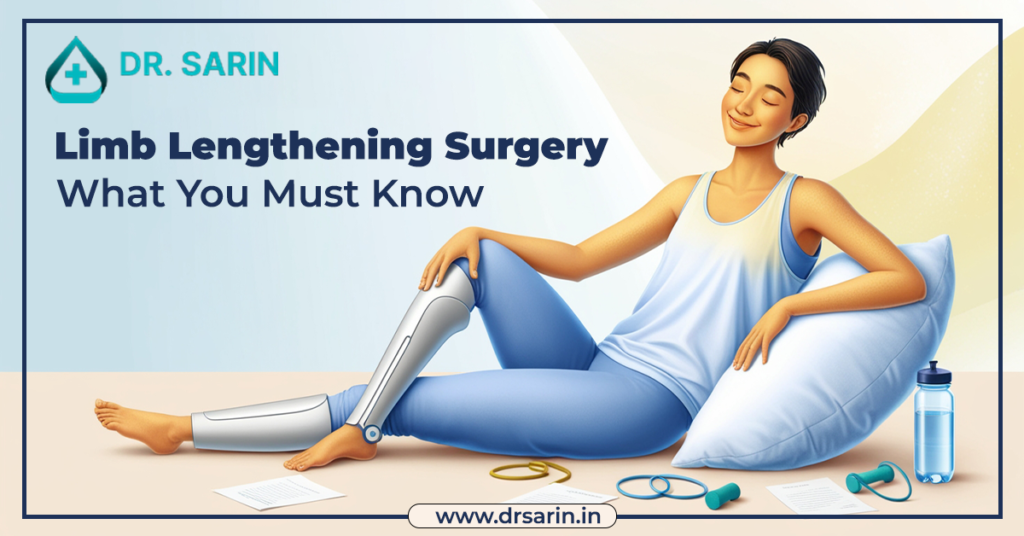
Recovery after limb lengthening surgery is just as important as the procedure itself. Physical therapy and controlled exercise play a crucial role in helping patients regain strength, flexibility, and mobility. However, improper exercise or premature physical activity can lead to complications. In this blog, we will explore the do’s and don’ts of exercising after limb lengthening surgery to ensure a smooth and successful recovery. The Initial Recovery Phase: What to Expect After limb lengthening surgery, patients undergo a gradual bone distraction process, which typically lasts 3 to 6 months. During this period, mobility is limited, and proper care is necessary to avoid complications. Here’s what to expect in the early recovery phase: Mild to moderate pain – This is managed with medications and therapy. Swelling and stiffness – Common in the first few weeks but gradually reduces with movement. Gradual mobility training – Guided movement to prevent joint stiffness. Do’s of Exercise After Limb Lengthening Surgery Engaging in the right type of exercise can accelerate recovery and improve flexibility. Here are some essential do’s: Start with light stretching – Helps maintain muscle flexibility. Follow doctor-prescribed physiotherapy – Tailored exercises assist in muscle recovery. Low-impact activities – Swimming and cycling can improve circulation and mobility. Use resistance bands – Strengthens muscles without putting stress on healing bones. Don’ts of Exercise After Limb Lengthening Surgery Some activities can be harmful during recovery and should be avoided: Avoid high-impact exercises – Running, jumping, and heavy weightlifting can strain healing bones. No overexertion – Excessive movement can delay bone regeneration. Skipping physiotherapy – Neglecting guided therapy can result in stiffness and loss of mobility. Ignoring pain signals – Pain is an indicator of potential strain; always listen to your body. How Physiotherapy Helps in Recovery Physiotherapy is an essential part of post-surgery rehabilitation. It helps by: Improving blood circulation – Enhances healing. Restoring range of motion – Prevents stiffness in joints and muscles. Strengthening supporting muscles – Helps maintain posture and stability. Diet & Supplements for Faster Recovery Proper nutrition is crucial for bone healing. Here are essential nutrients to include in your diet: Calcium & Vitamin D – Essential for bone regeneration. Protein – Helps rebuild muscle strength. Collagen supplements – Promotes joint and ligament healing. Conclusion Recovering from limb lengthening surgery or Height increase surgery requires dedication and patience. A carefully planned exercise regimen, combined with physiotherapy and a proper diet, ensures a successful and safe recovery. Always follow your doctor’s advice and avoidA strenuous activities until you receive medical clearance. By taking the right steps, you can regain strength and enjoy the benefits of your height transformation journey! You May Also Like to Know: Limb Lengthening Surgery: How Much Height Can You Safely Gain? Mogging and Height: How to Overcome From the Hidden Trauma of Being Short How Safe Is Limb Lengthening Surgery? Average Height Across India 2025 by Select City How Much Height Can You Gain Safely with Limb Lengthening?
Limb Lengthening Surgery in India | Why International Patients Choose Dr. Sarin

Limb Lengthening Surgery in India: Why International Patients Choose Dr. Sarin: In recent years, India has become a global hub for advanced medical treatments, including limb lengthening surgery, a life-changing procedure for patients with height concerns, limb deformities, or leg length discrepancies. Among the leading names in this field, Dr. Amar Sarin stands out as a trusted expert for both Indian and international patients. So, why do people from across the world travel to India, and specifically to Dr. Sarin’s clinic, for limb lengthening? Here’s everything you need to know. A Growing Global Demand for Limb Lengthening Limb lengthening surgery has moved beyond correcting deformities. Today, many patients also seek the procedure for: Correcting congenital or post-traumatic limb length discrepancies Improving posture, balance, and gait Enhancing self-confidence through cosmetic height increase However, in countries like the USA, UK, or Germany, the procedure is often expensive, hard to access, and has longer waiting times. India offers affordability, shorter waitlists, and globally recognized surgical expertise, a perfect combination for international patients. Why Choose Dr. Amar Sarin? 1. Over 3,000 Limb Lengthening Surgeries Performed With 30+ years of surgical experience, Dr. Sarin is one of India’s most seasoned orthopedic surgeons specializing in limb lengthening and deformity correction. He has successfully treated patients from over 25 countries. 2. Advanced Techniques with Global Standards Here are some available methods for limb lengthening: Ilizarov External Fixator PRECICE 2.2 Magnetic Nail (Remote Controlled) FitBone & ISKD Internal Nails Deformity Correction with Taylor Spatial Frame (TSF) These are the same devices used in top-tier hospitals in Europe or the U.S., but at a fraction of the cost. 3. Comprehensive Pre- and Post-Operative Care From visa assistance and airport pick-ups to pre-surgical tests and daily physiotherapy, Dr. Sarin’s clinic provides end-to-end support for international patients. Every international patient receives: Personalized treatment planning Private hospital accommodation options English-speaking support staff Telemedicine follow-ups after discharge Cost Advantage Without Compromising Quality Limb lengthening surgery abroad can cost between $75,000 to $150,000. In India, Dr. Sarin offers the same procedures for 1/4th of the price, with: International-standard equipment Board-certified surgical team Fully equipped, NABH-accredited hospital facilities Patients often combine the surgery with short-term stays in India, making it a cost-effective and medically sound option. Smooth Travel & Recovery for International Visitors Dr. Sarin’s team offers assistance with: Medical visa invitations Airport transfers and hotel coordination Customized post-op rehabilitation plans Travel insurance guidance (if applicable) Patients from the UAE, U.S., UK, Canada, Nigeria, Australia, and Europe have successfully undergone treatment with minimal travel stress. Real Patient Experiences “Transformative experience! Dr. Sarin’s limb lengthening gave me a new perspective. Expertise and care beyond compare.” — Ahmed, Iraq “I came from London to get my height increased by 6 cm. Dr. Sarin and his team were incredibly professional and kind throughout my 9-month journey.” — James R., UK Final Thoughts If you’re considering Hight lengthening surgery and seeking world-class outcomes at a reasonable cost, Dr. Amar Sarin in India offers the ideal solution. His experience, technology, and patient-first philosophy make him a trusted name for international patients. Ready to Take the First Step? Contact Dr. Sarin’s clinic today to schedule a video consultation or learn more about the treatment packages available for international patients. Contact Us at +919810376803 or Book free consultation now! You May Also Like to Read: Average Height of UK 2025 Best Diet for Bone Healing After Limb Lengthening How We Help You Return to Work and Sports After Limb Lengthening? How to Lengthen Legs Naturally & Surgically in 2025 Limb Lengthening Surgery in 2025
Body Proportions after Limb Lengthening Surgery

In pursuing aesthetic balance and improved functionality, many individuals consider limb lengthening surgery. This transformative procedure, often sought after for various reasons, can greatly impact one’s body proportions and overall quality of life. This article delves into limb-lengthening surgery and explores how it can produce more harmonious body proportions. Understanding the Surgery Limb lengthening surgery is a medical procedure designed to increase the length of a person’s limbs, typically the legs. It is most commonly performed to address issues such as limb length discrepancies resulting from congenital conditions, injuries, or other medical factors. However, it is also gaining popularity among individuals who seek to enhance their physical appearance. Impact on Body Proportions Choosing the Right Surgeon Opting for surgery is a significant decision, and choosing the right surgeon is paramount. Look for a board-certified, experienced surgeon who specialises in limb-lengthening procedures. A thorough consultation with the surgeon will help you understand the potential outcomes, risks, and recovery process. Conclusion Limb lengthening surgery is not just about increasing height; it’s about achieving more balanced and harmonious body proportions. Whether addressing medical issues or pursuing aesthetic goals, this procedure offers improved confidence, comfort, and overall well-being. If you’re considering surgery, consult a reputable surgeon to explore how this transformative procedure can positively impact your life. Also Read: Optimum Muscle Form and Weight for Limb-Lengthening What are the Long-Term Effects of Bone Lengthening? 9 things to know before you get Leg-Lengthening Surgery Can Height Surgery Help You Get Taller? How much Height can be Increased by Surgery
5 Common Questions About Limb Lengthening
Limb lengthening is a fascinating medical procedure that has gained popularity in recent years, offering hope to individuals with limb length discrepancies and other orthopedic issues. If you’re curious about this innovative solution, you’re not alone. In this article, we’ll address five common questions about limb surgery to provide you with a better understanding of this transformative procedure. 1. What Is Limb Lengthening? It is a surgical technique used to correct discrepancies in limb length. This procedure involves carefully breaking the bone and then gradually lengthening it over time using an external fixation device. As the bone heals and regenerates, it leads to increased length, ultimately addressing the discrepancy. 2. Who Can Benefit from this surgery? It is primarily recommended for individuals with congenital limb length discrepancies, growth plate injuries, or conditions like dwarfism. It can also be considered for cosmetic purposes, where someone desires to enhance their height. 3. How Long Does the Procedure Take? The duration of limb surgery varies based on individual factors and the extent of correction required. Typically, the lengthening phase takes several months, followed by a stabilization period. The entire process, from surgery to full recovery, can range from six months to over a year. 4. Is Limb Surgery Painful? Pain levels during limb lengthening surgery vary from person to person, but discomfort is expected. Medications and physical therapy are often prescribed to manage pain and improve mobility throughout the process. The level of pain typically decreases as the bone heals and the limb lengthens. 5. Are There Risks Associated with this surgery? Like any surgical procedure, this also carries certain risks, including infection, nerve damage, and joint stiffness. However, advancements in medical technology and experienced surgeons can significantly reduce these risks. It’s crucial to consult with a qualified orthopedic specialist who can assess your specific case and discuss potential risks and benefits. In conclusion, it is a remarkable medical procedure that can significantly improve the quality of life for those with limb length discrepancies. If you or someone you know is considering this surgery, it’s essential to consult with a skilled orthopedic surgeon who can provide personalized guidance and support throughout the process. With the right care and expertise, this can be a life-changing solution. Also Read: What is Quadrilateral Lengthening? What is Quadrilateral Lengthening? Prejudice against Limb-Lengthening Surgery Can You Do Sports after Limb Lengthening Surgery? Body Proportions after Limb Lengthening Surgery
Consultation, Travel Arrangements, and Preparatory Guidelines for Limb Lengthening Surgery
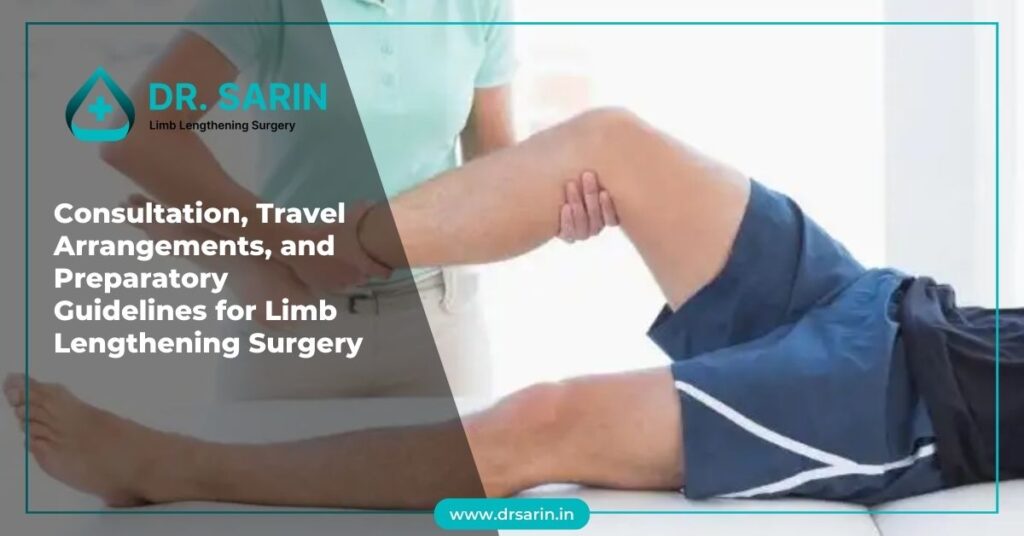
Limb lengthening surgery is a significant medical procedure that requires thorough preparation and planning. From the initial consultation to post-surgery recovery, every step of the process plays a crucial role in ensuring a successful outcome. In this guide, we’ll outline the key aspects of preparing for limb-lengthening surgery, including research and consultation, travel arrangements, and preparatory guidelines. Research and Consultation: Starting Your Journey Before embarking on the limb-lengthening surgery journey, it’s essential to conduct thorough research and schedule consultations with experienced orthopedic surgeons. During these consultations, you’ll discuss your medical history, goals, and expectations for the surgery. It’s also an opportunity to ask any questions you may have and gain a better understanding of the procedure and its potential risks and benefits. Planning Your Travel Depending on your location and the availability of specialized surgeons, you may need to travel for limb-lengthening surgery. It’s essential to plan your travel arrangements well in advance, including booking flights, accommodations, and transportation to and from the hospital or clinic. Consider factors such as proximity to medical facilities and accessibility for post-surgery mobility. Preparing for Your Surgery In the weeks leading up to your surgery, there are several preparatory steps you’ll need to take. This includes following your surgeon’s instructions regarding pre-operative tests and medical evaluations, as well as any dietary or medication restrictions. You may also need to arrange for someone to accompany you to the hospital on the day of the surgery and assist with postoperative care. Preparing for What Comes After Surgery Recovery from limb lengthening surgery can be a lengthy process, requiring patience and commitment. Before the surgery, it’s essential to prepare your home environment for optimal comfort and mobility during the recovery period. This may involve purchasing or renting medical equipment such as crutches or wheelchairs and making arrangements for home care assistance if needed. Final Preparation Checklist for Limb Lengthening Surgery By following these preparatory guidelines and checklist items, you can ensure that you’re fully prepared for limb-lengthening surgery and set yourself up for a successful recovery journey. Remember to communicate openly with your medical team and seek support from loved ones as needed throughout the process. Also Read: Selecting the Ideal Limb Lengthening Approach Guide to the Initial 10 Days Following Leg Lengthening Surgery Breaking Barriers: Men’s Cosmetic Procedures and the Journey to Confidence Complications In Limb Lengthening Causes, Diagnosis, and Treatment Options for Short Stature.
Benefits of Limb Lengthening Surgery by Dr Sarin
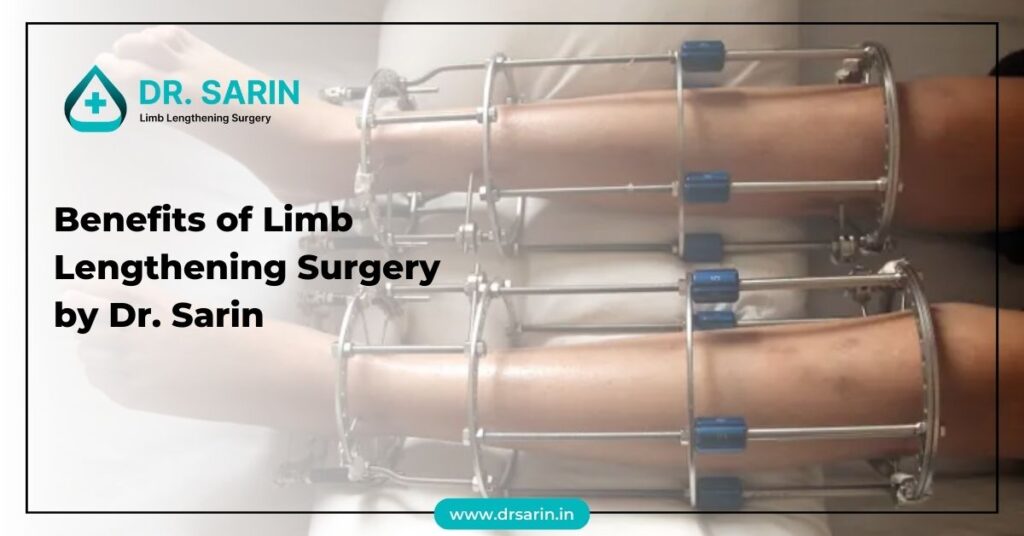
Limb lengthening surgery, a procedure designed to increase the length of limbs, offers hope and improved quality of life for individuals with limb length discrepancies or short stature. Dr. Sarin, a renowned orthopedic surgeon, specializes in limb-lengthening surgeries and provides exceptional care to his patients. Here are the top benefits of choosing Dr. Sarin for limb-lengthening surgery: Top Reasons Why Dr. Sarin Is Favorable For Limb Lengthening? 1. Cost-effective Treatment Dr. Sarin understands the financial burden that medical procedures can impose on patients and their families. Therefore, he strives to offer cost-effective treatment options for surgery without compromising on quality or safety. By providing transparent pricing and exploring various payment plans, Dr. Sarin ensures that his patients can access the care they need without undue financial stress. 2. Accredited Hospitals With Modern Equipment Dr. Sarin performs limb-lengthening surgeries at accredited hospitals equipped with state-of-the-art facilities and advanced medical technology. These hospitals adhere to stringent safety standards and protocols, ensuring the highest level of patient care and comfort throughout the surgical process. With access to modern equipment and resources, Dr. Sarin can deliver optimal surgical outcomes and minimize the risk of complications. 3. Experienced Medical Professionals As a highly experienced orthopedic surgeon specializing in limb lengthening surgeries, Dr. Sarin brings years of expertise and skill to his practice. He is dedicated to staying at the forefront of advancements in limb-lengthening techniques and technologies, allowing him to provide innovative and personalized treatment solutions for his patients. Dr. Sarin’s commitment to excellence and continuous learning ensures that his patients receive the highest standard of care throughout their treatment journey. 4. Reputation for Success Dr. Sarin has earned a stellar reputation for his exceptional surgical skills and successful outcomes in limb-lengthening surgery. His track record of delivering positive results and improving the lives of his patients speaks volumes about his expertise and dedication to excellence. Patients can trust Dr. Sarin to prioritize their well-being and work tirelessly to achieve their desired outcomes, enhancing their confidence and quality of life. 5. Routine Inspections by the International Medical Association Dr. Sarin’s commitment to maintaining the highest standards of patient care and safety is further demonstrated by routine inspections and accreditation by the International Medical Association. These inspections ensure that Dr. Sarin’s practice adheres to strict guidelines and protocols, providing patients with peace of mind and confidence in the quality of care they receive. By undergoing regular evaluations and assessments, Dr. Sarin continually demonstrates his commitment to excellence and patient satisfaction. Choosing Dr. Sarin offers numerous benefits, including cost-effective treatment options, access to accredited hospitals with modern equipment, experienced medical professionals, a reputation for success, and routine inspections by the International Medical Association. With Dr. Sarin’s expertise and dedication to excellence, patients can trust that they are in capable hands and on the path to achieving their desired outcomes in limb lengthening surgery. Also Read: How is leg lengthening different from arm lengthening? What types of devices are used for limb lengthening? Internal Lengthening Device for Limb Lengthening Surgery Consultation, Travel Arrangements, and Preparatory Guidelines for Limb Lengthening Surgery Selecting the Ideal Limb Lengthening Approach: Comparing Femur and Tibia Lengthening