
Difference in Upper Extremity Limb Length
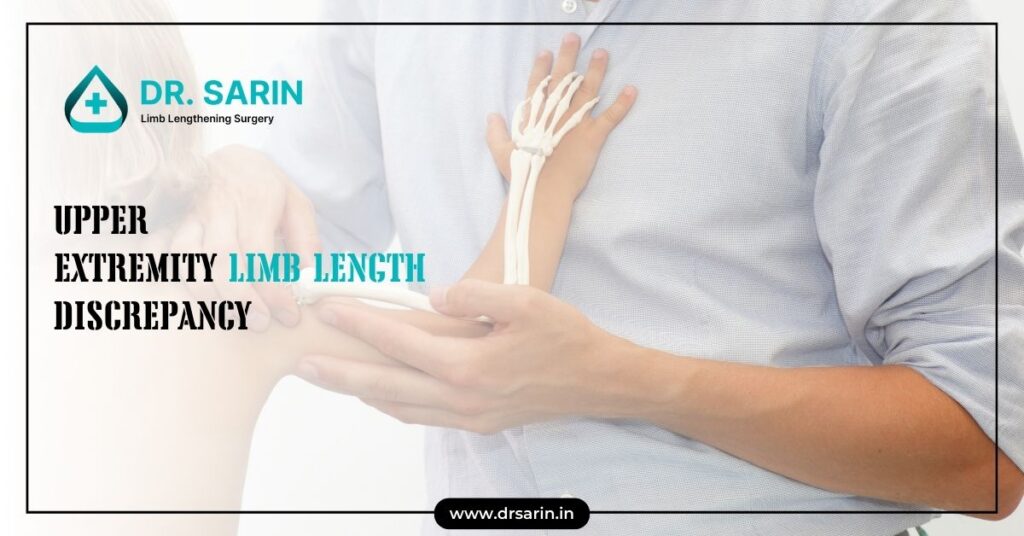
The upper extremity, comprising the arm, forearm, and hand, is a complex structure that facilitates a wide range of motions and functions. The skeletal anatomy includes the humerus, radius, and ulna, which are supported by a network of muscles, tendons, ligaments, and nerves. Proper alignment and length of these bones are crucial for optimal function and symmetry. Description Upper extremity limb length discrepancy (UELLD) refers to a condition where there is a noticeable difference in the length of the arms. This disparity can impact both cosmetic appearance and functional abilities, leading to challenges in performing daily activities. The discrepancy may be mild or severe, and its impact on the individual can vary widely. Accurate diagnosis and appropriate treatment are essential for managing the condition effectively. Cause Congenital Upper Limb Length Discrepancy Congenital UELLD is present at birth and can result from a variety of factors, including genetic mutations, developmental disturbances, or conditions affecting fetal growth. Common congenital conditions associated with UELLD include: Fibular Hemimelia: A rare congenital condition where part or all of the fibula bone is missing. Amniotic Band Syndrome: A condition caused by entanglement of the fetal limbs in fibrous amniotic bands, leading to restricted growth and development. Radial Club Hand: A condition characterized by the underdevelopment or absence of the radius bone, resulting in a shorter forearm. Congenital UELLD is often detected early in life, allowing for timely intervention and management. Acquired Limb Length Discrepancy Acquired UELLD develops after birth due to various factors, such as trauma, infection, or medical conditions. Common causes include: Trauma: Fractures or injuries to the growth plates in children can disrupt normal bone growth, leading to length discrepancies. Severe fractures may require surgical intervention to restore limb length and function. Infections: Bone infections (osteomyelitis) can damage growth plates or bone tissue, leading to discrepancies in limb length. Tumors: Both benign and malignant bone tumors can affect bone growth and development, resulting in length discrepancies. Neurological Conditions: Conditions like cerebral palsy can lead to muscle imbalances and skeletal deformities, contributing to UELLD. Symptoms The symptoms of UELLD can vary based on the severity of the discrepancy and the underlying cause. Common symptoms include: Visible Difference in Arm Length: One arm may appear noticeably shorter or longer than the other. Functional Limitations: Difficulty in performing tasks that require symmetrical arm movement, such as lifting, carrying, or reaching. Musculoskeletal Pain: Discrepancies in limb length can lead to compensatory movements and postural imbalances, causing pain in the shoulders, back, or neck. Asymmetrical Muscle Development: The shorter limb may develop differently in terms of muscle mass and strength compared to the longer limb. Psychosocial Impact: Visible limb length discrepancies can affect self-esteem and body image, particularly in children and adolescents. Diagnosis and Treatment Diagnosis of UELLD typically involves a thorough clinical examination, medical history review, and imaging studies such as X-rays or MRI scans to determine the extent and cause of the discrepancy. Treatment options depend on the severity of the condition and may include: Non-Surgical Management: For mild discrepancies, non-surgical approaches such as physical therapy, orthotics, and shoe lifts can help manage symptoms and improve function. Surgical Intervention: In cases of severe UELLD, surgical procedures like limb lengthening, bone grafting, or corrective osteotomies may be necessary to restore symmetry and function. Early diagnosis and intervention are crucial in managing UELLD effectively, minimizing complications, and improving the quality of life for affected individuals. Also Read: How Your Height Can Impact Your Health Extramedullary Internal Limb Lengthening Average Height In USA 2025 Height Growth Plates: When Do Growth Plates Close? Medical Lengthening
How Much Height Can You Gain Safely with Limb Lengthening?
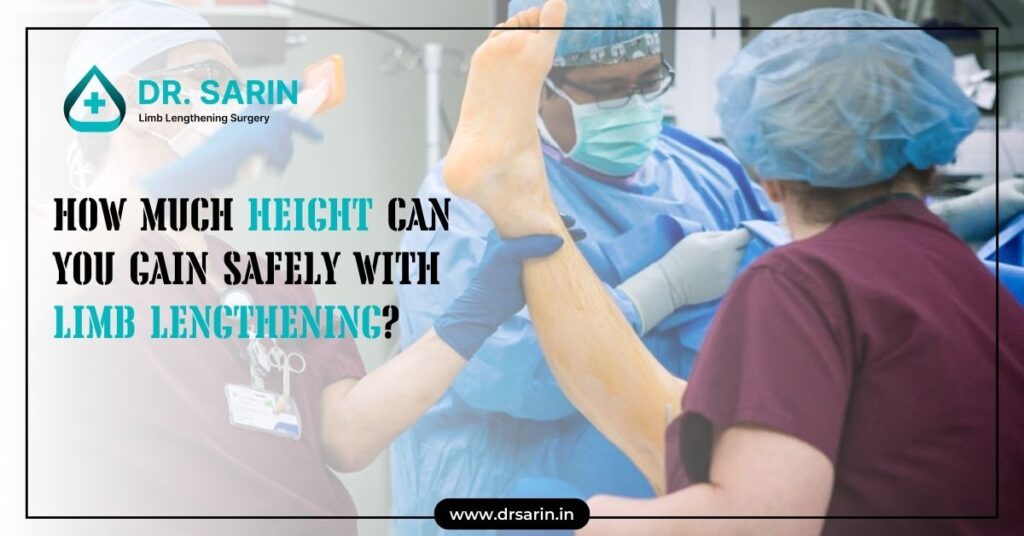
The surgery has become famous for those looking to increase their height. This procedure involves surgically lengthening the bones in the legs, allowing individuals to grow taller over time. But how much height can you safely gain through this process? It can typically add 2 to 3 inches (5 to 8 cm) of height in one procedure. However, with multiple surgeries, some people have achieved an increase of up to 6 inches (15 cm). It’s important to note that the height gained depends on the patient’s body and bone health. Height increase surgery is a complex procedure that requires significant recovery time. The process involves gradually stretching the bones using an external device, encouraging bone growth. While surgery is generally safe when performed by a qualified surgeon, patients must be mindful of potential risks, such as infection, nerve damage, or prolonged recovery. Limb surgery can be a safe and effective way to increase height, with typical gains ranging from 2 to 6 inches. Consulting with a surgeon and understanding the potential risks are essential steps for anyone considering this procedure. You May Also Like to Read: Indian children may no longer outgrow parents What’s The Average Height Per Country? Psychological Impact Of Limb-Lengthening Surgery Hip Replacement Surgery Factors That Can Influence the Price of Limb Lengthening Surgery in India
Factors That Can Influence the Price of Limb Lengthening Surgery in India
Limb lengthening surgery is a complex procedure that involves the gradual extension of bones to correct discrepancies or enhance height. In India, the cost of this surgery can vary significantly due to several factors. Understanding these factors can help patients and their families make informed decisions when planning for the procedure. Here’s a breakdown of the key elements that can influence the price of limb lengthening surgery in India. Hospital Reputation and Infrastructure The reputation and infrastructure of the hospital where the surgery is performed are major factors influencing the cost. Hospitals with advanced technology, state-of-the-art equipment, and a strong track record of successful outcomes tend to charge higher fees. Moreover, well-established hospitals often provide better post-operative care, which is crucial for a procedure as delicate as limb lengthening. The Expertise and Experience of Medical Professionals The surgeon’s expertise and experience are critical determinants of the surgery’s cost. Surgeons with extensive experience and specialization in limb lengthening procedures often charge higher fees due to their proven track record and the complexity of the surgery. Additionally, the involvement of a skilled surgical team, including anesthetists and physiotherapists, also adds to the overall cost. The Type and Frequency of Diagnostic Procedures Before the surgery, patients undergo various diagnostic tests such as X-rays, MRIs, and blood tests to assess their suitability for the procedure and plan the surgery. The type and frequency of these diagnostic procedures can significantly impact the overall cost. Advanced imaging techniques or repeated tests to monitor progress during the treatment phase can increase expenses. The Choice of Treatment Modality Limb lengthening can be performed using different techniques, such as the Ilizarov method, intramedullary nails, or external fixators. The choice of treatment modality greatly affects the cost of the surgery. Some methods require more advanced equipment and longer hospital stays, which can drive up the price. The complexity of the chosen technique also influences the length of recovery and the need for follow-up procedures, adding to the overall cost. Medication Costs Medication is an essential part of the limb lengthening process, both pre- and post-surgery. The cost of pain management, antibiotics, and other necessary drugs can vary depending on the brand, dosage, and duration of treatment. High-quality medications, often prescribed to ensure a smoother recovery and minimize the risk of complications, can increase the overall cost of the surgery. Duration of Treatment The duration of the treatment process, which includes both the surgery and the post-operative recovery period, can affect the overall cost. Limb lengthening is a gradual process that can take several months to complete, especially during the bone consolidation phase. Prolonged treatment may lead to additional hospital visits, follow-up consultations, and extended use of medical devices, all contributing to higher expenses. Geographical Location The geographical location of the hospital also plays a significant role in determining the cost of limb lengthening surgery. Hospitals in metropolitan cities like Delhi, Mumbai, or Bangalore tend to charge more due to higher operational costs, demand for specialized medical services, and access to advanced technology. In contrast, hospitals in smaller cities or towns might offer the procedure at a lower cost, albeit with potentially limited resources or less experienced medical professionals. Hospitalization Expenses Hospitalization expenses, including room charges, nursing care, and other in-hospital services, can add substantially to the overall cost of the surgery. Private rooms, luxury amenities, and extended stays can significantly increase hospitalization costs. Patients should consider these factors when choosing their hospital, as a comfortable and supportive environment is essential for recovery but can also raise the cost. Government Policies and Subsidies Government policies and subsidies can sometimes influence the cost of limb lengthening surgery in India. In some cases, government hospitals or schemes may offer the surgery at a subsidized rate for eligible patients. However, these options might come with longer waiting periods or limited access to advanced treatment modalities. Understanding available government support can help in reducing the financial burden of the surgery. Medical Tourism Packages India is a popular destination for medical tourism, and many hospitals offer comprehensive packages that include surgery, accommodation, transportation, and post-operative care. These packages can be cost-effective for international patients seeking high-quality medical care at a lower cost compared to their home countries. However, the overall price of such packages can vary based on the inclusions, the hospital’s reputation, and the level of care provided. When considering limb lengthening surgery in India, it’s essential to take into account these various factors that can influence the overall cost. By carefully evaluating the hospital, medical professionals, treatment modalities, and additional expenses, patients can make informed decisions that align with their budget and healthcare needs. Also Read: Difference in Upper Extremity Limb Length How Your Height Can Impact Your Health Extramedullary Internal Limb Lengthening Average Height In USA 2025 Height Growth Plates: When Do Growth Plates Close?
Extramedullary Internal Limb Lengthening
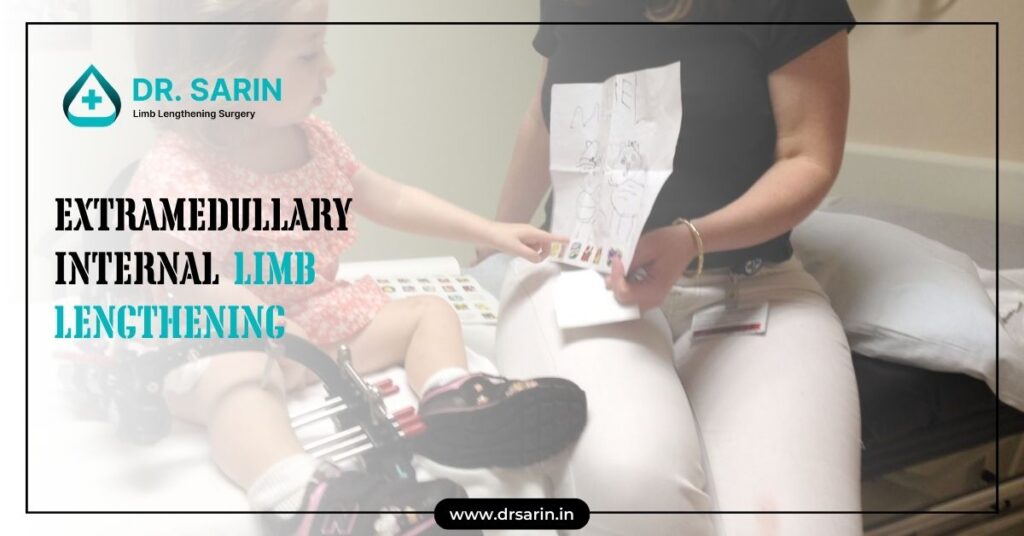
Abstract Extramedullary Internal Limb Lengthening (EMILL) represents an advanced surgical approach to address limb length discrepancies and deformities. This technique utilizes external devices and internal mechanisms to lengthen bones, gradually improving functional outcomes and aesthetic results. This overview provides insights into the indications, methods, postoperative management, and overall effectiveness of EMILL. Indications For Extramedullary Lengthening Extramedullary lengthening is indicated for various conditions, including congenital limb length discrepancies, post-traumatic deformities, and certain orthopedic conditions where conventional methods may not be suitable. It is particularly beneficial in cases where internal lengthening devices are preferred due to their minimal invasiveness and better patient compliance. Femur EMILL is typically employed in cases of congenital or post-traumatic femoral shortening. The technique allows for gradual and controlled lengthening of the femur, which can enhance functional outcomes and reduce the risk of complications compared to traditional methods. Tibia EMILL of the tibia is often indicated for similar reasons as femoral lengthening, including congenital discrepancies or trauma. The approach focuses on achieving optimal alignment and lengthening while minimizing complications such as bone deformities or joint stiffness. Other Considerations Other considerations in EMILL include patient selection, the risk of complications such as infection or nonunion, and the potential need for adjunctive therapies like physiotherapy to maintain functional outcomes. Preoperative planning and patient education are crucial for successful outcomes. Surgical Technique: Extramedullary Internal Limb Lengthening (EMILL) of the Femur The EMILL technique for the femur involves implanting an internal lengthening device along the extramedullary axis of the femur. The device is adjusted gradually to lengthen the bone while monitoring for proper alignment and regeneration. Surgical precision and postoperative care are vital to ensure successful outcomes. Surgical Technique: EMILL of the Tibia A similar approach is used in tibial lengthening, where an internal lengthening device is placed extramedullary. The surgical technique involves careful tibia alignment and gradual lengthening, ensuring stability and minimizing complications. Postoperative monitoring is essential for assessing bone healing and alignment. Postoperative Routine Postoperative care includes regular follow-up appointments to monitor bone lengthening, assess for complications, and adjust the lengthening device as needed. Pain management, physical therapy, and adherence to weight-bearing restrictions are key components of the postoperative routine. Pearls and Pitfalls Pearls: Careful preoperative planning, precise surgical technique, and thorough patient education can significantly enhance outcomes. Regular follow-up and early intervention for complications are also crucial. Pitfalls: Common pitfalls include inadequate lengthening, misalignment, and infection. Rigorous monitoring and timely intervention can mitigate these risks. Methods EMILL methods involve internal lengthening devices, precise surgical techniques, and gradual lengthening protocols. Advanced imaging and surgical planning tools are utilized to optimize outcomes. Results Results from EMILL procedures generally show favorable outcomes regarding limb lengthening, functional improvements, and patient satisfaction. Studies indicate that the technique effectively addresses limb length discrepancies with minimal complications. Outcomes The outcomes of EMILL include successful lengthening of the affected limb, improved function, and high patient satisfaction. Long-term results often show stable and functional limb lengthening with minimal adverse effects. Discussion EMILL has revolutionized limb lengthening by offering a less invasive alternative to traditional methods. The technique’s benefits include reduced postoperative discomfort and improved aesthetic outcomes. However, it requires careful patient selection and management to achieve optimal results. Conclusions Extramedullary Internal Limb Lengthening (EMILL) is a promising technique with significant advantages over conventional methods for addressing limb length discrepancies. Its effectiveness and advancements in surgical technology make it a valuable option in modern orthopedic practice. Ongoing research and clinical experience will continue to refine techniques and improve outcomes for patients undergoing limb-lengthening procedures. Also Read: Average Height In USA 2025 Height Growth Plates: When Do Growth Plates Close? Medical Lengthening Surgical Skin Preparation for Limb Lengthening Surgery Indications for Limb Lengthening
Psychological Impact Of Limb-Lengthening Surgery

Limb-lengthening is a complex orthopedic procedure that can significantly improve a person’s physical stature, correct deformities, or address discrepancies in limb length. However, while the surgery offers physical benefits, it can also have a profound psychological impact on patients undergoing the procedure. Understanding these effects is crucial for patients and healthcare providers to ensure a smoother recovery process and better mental health outcomes. Initial Emotional Strain and Anxiety Undergoing limb surgery is a major decision that can trigger anxiety and emotional stress. The anticipation of pain, potential complications, and uncertainty about the outcome can cause considerable anxiety before the surgery. Patients might worry about the long recovery process, how they will manage pain, and whether the results will meet their expectations. This apprehension can lead to fear and nervousness in the pre-operative phase. Pain and Discomfort During Recovery Post-surgery, patients often experience significant pain, discomfort, and restricted mobility, which can affect their mental well-being. The long and usually uncomfortable recovery period can lead to frustration, helplessness, and irritability. Pain can make patients feel overwhelmed, affecting their ability to stay positive, and might even lead to temporary feelings of sadness or depression. Impact on Self-Image and Confidence It can greatly influence a person’s self-image. The procedure is life-changing for some, boosting self-esteem and confidence, especially if they’ve long struggled with height-related insecurities. However, the physical changes during recovery, such as scars, swelling, or the use of external fixators, can cause temporary body image concerns. This shift can make patients feel self-conscious, anxious, or uncertain about their appearance. Social Isolation and Emotional Challenges The lengthy recovery period often requires limited physical activity and can restrict social interactions. As a result, patients may feel isolated from their regular social circles, leading to loneliness or sadness. This isolation can be particularly challenging, especially for individuals who are used to being active and social. Psychological Impact of Long-term Outcomes For many, the outcome of surgery is a source of immense satisfaction and improved self-esteem. However, patients who don’t achieve the desired results or who face complications might experience disappointment, regret, or even depression. Coping with any unexpected results requires strong psychological resilience and support. Importance of Psychological Support Given the potential psychological impact of limb-lengthening surgery, mental health support plays a crucial role in the overall treatment plan. Pre-operative counseling, ongoing psychological support during recovery, and post-operative therapy can help patients manage expectations, cope with pain, and adapt to changes in their self-image. Conclusion While the procedure can lead to increased confidence and self-esteem, it may also present emotional challenges, such as anxiety, pain management, and body image concerns. Understanding these psychological effects and seeking the necessary support can significantly enhance the journey toward physical and emotional recovery. You May Also like To Know: Hip Replacement Surgery Factors That Can Influence the Price of Limb Lengthening Surgery in India Difference in Upper Extremity Limb Length How Your Height Can Impact Your Health Extramedullary Internal Limb Lengthening
Indian children may no longer outgrow parents

For years, it has been common for children to grow taller than their parents, especially in countries where living conditions, nutrition, and healthcare have improved. However, recent studies suggest this trend may slow down in India. Indian children, who were once expected to surpass their parents in height, may no longer follow this pattern. The factors behind this stagnation in height are complex, involving nutrition, healthcare, socio-economic disparities, and lifestyle changes. Key Factors Behind Height Stagnation in India 1. Malnutrition Malnutrition remains a major obstacle to growth in India. Even though the country has made significant strides in food production, a large portion of the population, particularly in rural areas, still lacks access to nutritious food. The lack of essential nutrients such as vitamins, minerals, and proteins during critical growth can lead to stunted growth. Children who do not receive proper nutrition during their early years may not reach their full potential. 2. Socio-economic Disparities Economic inequality is another significant factor. Children from low-income families often face higher risks of stunted growth due to limited access to healthcare, clean water, and proper sanitation. In contrast, children from wealthier families in urban areas may experience better growth due to improved living conditions. This socio-economic divide results in many Indian children falling short of their potential height. 3. Changing Diets The modern Indian diet, particularly in urban areas, is shifting towards high-calorie, low-nutrient foods. The increasing consumption of processed and fast foods, high in unhealthy fats and sugars, contributes to poor health outcomes. These dietary changes are not providing the necessary nutrients for children’s growth and may be playing a role in the height stagnation seen across the country. 4. Healthcare and Sanitation Frequent Illnesses, especially in areas with inadequate sanitation, also affect physical development. Diseases such as diarrhea, prevalent in regions with poor water quality, can prevent the absorption of essential nutrients. As a result, children in these areas are more likely to experience growth disruptions, further contributing to the height stagnation trend. How Does the Indian Average Height Compare Globally? The Indian Average Height for men is about 5’5″ (165 cm), and for women, it’s around 5’0″ (152 cm). These averages are lower than in many Western and East Asian countries. This difference is often attributed to factors like malnutrition, limited access to healthcare, and the impact of socio-economic conditions. While some improvement is seen in urban areas, particularly among younger generations, the overall trend remains concerning. What Can Be Done? Addressing the issue of height stagnation requires a multifaceted approach, including: Conclusion While the trend of children outgrowing their parents has been common in many countries, India is witnessing a potential stagnation in height. Factors like malnutrition, socio-economic disparities, changing diets, and limited access to healthcare are contributing to this issue. Addressing these challenges is critical to ensuring that future generations in India can reach their full physical potential and experience improved overall health. You May Also Like to Read: What’s The Average Height Per Country? Psychological Impact Of Limb-Lengthening Surgery Hip Replacement Surgery Factors That Can Influence the Price of Limb Lengthening Surgery in India Difference in Upper Extremity Limb Length
Why Height Increases Stop After 18?: A Biological Overview

Most people stop growing taller after the age of 18. But why does height increase stop at this point? Is there a biological cut-off, or can you still grow after 18 naturally? In this article, we’ll take a closer look at the scientific and biological processes behind height growth, why it stops, and whether there are any exceptions to this rule. The Science of Height: How Do We Grow Taller? Height growth is primarily influenced by the long bones in your arms and legs. These bones grow due to a special area of cartilage near their ends called the epiphyseal growth plates (or simply, growth plates). Key factors in height growth: Growth Plates: Found near the ends of long bones, responsible for bone lengthening. Human Growth Hormone (HGH): Stimulates growth plates. Sex Hormones (Estrogen & Testosterone): Help regulate the closure of growth plates during puberty. What Happens After 18? By the time you reach late adolescence (usually between 16 to 21 years), your growth plates begin to close or fuse. Once they’re closed, no more bone lengthening can occur, meaning your height becomes permanently fixed. Here’s what causes growth to stop: Growth Plate Fusion: Cartilage is replaced by solid bone, halting further elongation. Decline in HGH: Natural production of growth hormone decreases with age. Increased Estrogen/Testosterone: These hormones accelerate plate closure during puberty. Fun Fact: In both boys and girls, estrogen is the primary hormone that leads to growth plate closure—even in males! Can You Grow After 18? In very rare cases, some individuals may experience minimal height growth up to 21–22 years, particularly males who had late-onset puberty. However, this growth is usually limited to 1–2 cm and not common. Common myths: ❌ Stretching will not increase height after 18. ❌ Supplements cannot reopen growth plates. ✅ Limb Lengthening Surgery is the only proven way to increase height after plate closure. How to Know If Your Growth Plates Are Still Open? The only accurate way is through a bone X-ray (typically of the wrist or knee). Doctors check for open growth plates using a method called the Greulich and Pyle atlas, which compares bone age to chronological age. Can Exercise, Nutrition or Posture Help? While these won’t increase your bone length after 18, they can help you: Improve posture → appear taller Strengthen your core → enhance spinal alignment Maintain good bone health → prevent height loss with age Tips for maximizing height potential (before 18): Eat a protein-rich, calcium-packed diet Sleep 8–9 hours regularly Avoid steroids or early puberty triggers Engage in height-promoting activities (swimming, basketball, sprinting) What If You Still Want to Increase Your Height After 18? If you’re over 18 and serious about gaining height, your only medically-approved and scientifically-backed option is limb lengthening surgery. This procedure can add 5–8 cm or more to your height using either internal or external fixation devices. Explore more: Limb Lengthening Surgery: How Much Height Can You Safely Gain? Conclusion To sum it up, your height stops increasing after 18 because your growth plates close, a process driven by puberty hormones. While small exceptions exist, natural height growth past 18 is extremely rare. For those still seeking to grow taller, modern surgical methods may offer a solution. FAQs Q. Can I still grow taller at 19 or 20?A. Rarely, and only if your growth plates haven’t fused. A bone X-ray can confirm this. Q. Is there any medicine to reopen growth plates?A. No proven medicine or supplement can reopen fused growth plates. Q. Can limb lengthening increase height after 21?A. Yes. This is currently the only effective method post-growth plate closure. You May Also Like to Know: Height Increase Surgery Complications Pain Management After Limb Lengthening Surgery Exercise & Recovery After Limb Lengthening Surgery Limb Lengthening Surgery: How Much Height Can You Safely Gain? Mogging and Height: How to Overcome From the Hidden Trauma of Being Short
Pain Management After Limb Lengthening Surgery | Dr. Sarin India
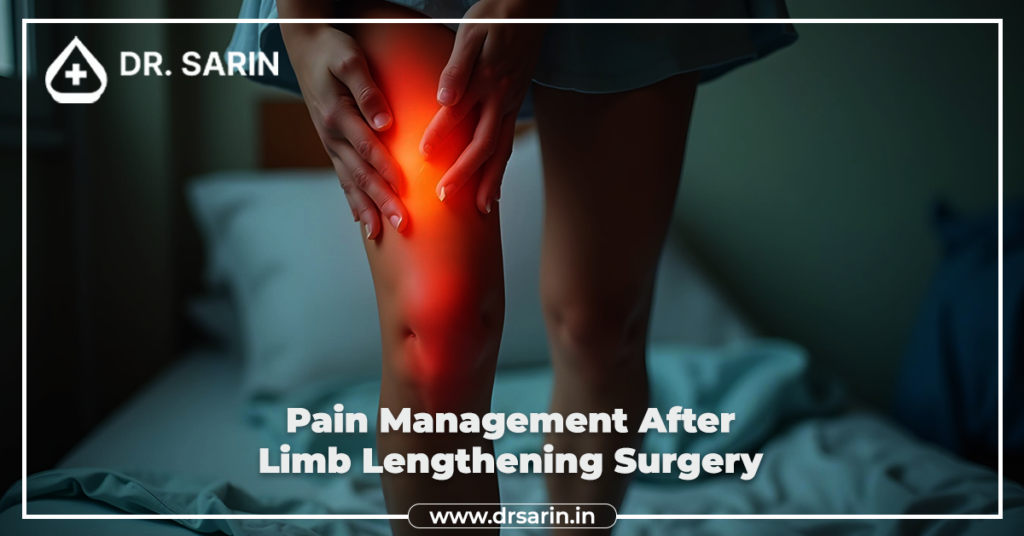
Limb lengthening surgery is a life-changing procedure that can dramatically improve physical appearance, posture, self-esteem, and even mobility in some cases. However, like any major orthopedic intervention, it comes with its own set of challenges—pain management being one of the most crucial aspects of recovery. As a limb lengthening specialist in India, I, Dr. Amar Sarin, understand how important it is to educate patients not just about the surgery, but about what happens afterward. Managing pain effectively not only improves the overall experience but also promotes faster recovery and better outcomes. Why Does Pain Occur After Limb Lengthening Surgery? Limb lengthening involves a controlled and gradual process of bone separation and new bone formation, also known as distraction osteogenesis. During this time: Bones are slowly pulled apart Muscles, nerves, tendons, and soft tissues stretch along with the bone The body works to heal and generate new tissue These processes can naturally cause discomfort, tightness, and pain, especially during the distraction and early consolidation phases. However, with the right strategies, pain can be kept within manageable limits. My Approach to Pain Management Every patient experiences pain differently, so I focus on creating a personalized pain management plan for each individual. Here’s how we manage post-operative pain step-by-step: 1. Pre-Surgery Counseling and Planning Pain management begins before the surgery. I ensure that all my patients are: Mentally prepared for what to expect Educated on pain scales and how to communicate discomfort Introduced to our pain management team who will support them throughout recovery 2. Medications for Pain Relief We use a multi-modal approach to minimize reliance on any one medication. This includes: NSAIDs (Non-Steroidal Anti-Inflammatory Drugs): Help reduce inflammation and mild to moderate pain. Opioids (used cautiously): Reserved for short-term, severe pain during the early recovery phase. Neuropathic Pain Agents: For nerve-related discomfort that may arise during limb stretching. Muscle Relaxants: To reduce spasms and tension during physiotherapy. We adjust medication doses based on the patient’s age, pain threshold, and progress. 3. Physical Therapy and Stretching Pain often increases when movement decreases. That’s why physiotherapy is vital. It: Improves flexibility and range of motion Reduces stiffness and muscle tension Prevents contractures and joint issues I work closely with trained physiotherapists who guide gentle exercises tailored to each recovery stage. Movement may feel uncomfortable at first, but over time, it actually reduces pain and accelerates healing. 4. Distraction Schedule and Rate Control One of the most important aspects of pain management is controlling the distraction rate—the speed at which the bones are being lengthened. If the bone is lengthened too quickly, pain increases and complications may arise. I monitor X-rays and pain feedback closely to adjust the distraction rate safely, ensuring progress without triggering unnecessary discomfort. 5. Non-Medical Pain Relief Techniques Complementary therapies often help patients cope better. These include: Cold packs to reduce swelling and numb the area Heat therapy to relax tight muscles Guided meditation and breathing techniques Distraction methods such as music, reading, or light entertainment Support groups or one-on-one sessions with previous patients to boost emotional strength Pain is not just physical—it’s also emotional. We treat the whole person, not just the symptoms. 6. Emotional and Psychological Support Living through limb lengthening is a journey of endurance. Anxiety, frustration, and emotional fatigue can amplify physical pain. That’s why I always encourage: Open communication between patient, family, and the medical team Regular check-ins with a mental health counselor Creating a realistic recovery timeline to set proper expectations When patients feel emotionally supported, their ability to manage pain increases significantly. 7. Transition to Home-Based Recovery Once patients are discharged, they’re provided with: A detailed medication and physiotherapy plan 24/7 support via call or consultation for any flare-ups Regular virtual check-ups or in-clinic visits Guidance on daily activity, diet, and sleep to naturally support healing Final Thoughts from Dr. Amar Sarin Pain after limb lengthening surgery is real, but it is also manageable. With a well-structured plan, emotional support, and consistent follow-up, most patients find that their pain becomes less intense over time—and completely worth the transformation they achieve. If you or your loved one is considering limb lengthening surgery, know that you will never walk the road alone. My team and I are here to guide you through every step of the journey, helping you rise stronger, taller, and pain-free. Need Help or Have Questions? Schedule a consultation, and let’s discuss how we can make your transformation smooth and supported—with expert care and a personalized pain management plan. You May Also Like to Know: Exercise & Recovery After Limb Lengthening Surgery Limb Lengthening Surgery: How Much Height Can You Safely Gain? Mogging and Height: How to Overcome From the Hidden Trauma of Being Short How Safe Is Limb Lengthening Surgery? Average Height Across India 2025 by Select City
What Conditions Can Limb Lengthening Surgery Effectively Treat?

Limb lengthening surgery is a specialized orthopedic procedure used to increase the length of bones, typically in the legs or arms, and can effectively treat several medical and cosmetic conditions. Below is a concise overview of conditions it addresses, based on medical insights and standard practices: Conditions Treated by Limb Lengthening Surgery 1. Congenital Limb Length Discrepancy: Description: Conditions present at birth, such as congenital short femur, fibular hemimelia, or proximal femoral focal deficiency, where one limb is shorter than the other. Effectiveness: Surgery equalizes limb lengths, improving function, gait, and reducing compensatory issues like scoliosis or joint pain. 2. Acquired Limb Length Discrepancy: Description: Discrepancies caused by trauma (e.g., fractures), infections (e.g., osteomyelitis), or growth plate injuries that impair bone growth. Effectiveness: Restores symmetry, enhances mobility, and prevents long-term complications like arthritis or back pain. 3. Short Stature Disorders: Description: Genetic or endocrine conditions like achondroplasia (a common form of dwarfism), Turner syndrome, or hypochondroplasia, where individuals have disproportionately short limbs or overall height. Effectiveness: Increases height (often 6–12 inches in achondroplasia) and improves limb proportions, enhancing physical function and quality of life. 4. Bone Deformities: Description: Conditions like bowlegs (genu varum), knock-knees (genu valgum), or rotational deformities often associated with skeletal dysplasias or trauma. Effectiveness: Corrects angular deformities while lengthening bones, improving alignment and weight-bearing capacity. 5. Nonunion or Malunion Fractures: Description: Bones that fail to heal properly (nonunion) or heal in a misaligned position (malunion) after fractures. Effectiveness: Stimulates bone regeneration and corrects length or alignment, restoring function. 6. Bone Defects or Loss: Description: Loss of bone due to tumors, infections, or severe trauma, creating gaps or shortened segments. Effectiveness: Regenerates bone through distraction osteogenesis, filling gaps and restoring limb length. 7. Cosmetic Height Enhancement: Description: Elective lengthening for individuals seeking increased height due to personal or social reasons, without underlying medical conditions. Effectiveness: Can add 2–6 inches in height, improving self-esteem, though it carries risks and requires careful psychological evaluation. Procedure, Effectiveness Factor, Risks Procedure: Limb lengthening or height increase surgery typically involves cutting the bone (osteotomy), attaching an external fixator or internal device (e.g., PRECICE nail), and gradually lengthening the bone through distraction osteogenesis (1 mm/day). The process includes lengthening and consolidation phases, lasting months. Effectiveness Factors: Success depends on patient age, bone quality, compliance with physical therapy, and surgeon expertise. Children and adolescents often achieve better outcomes due to active growth plates. Risks: Includes infection, nerve damage, joint stiffness, or prolonged recovery, requiring careful patient selection and postoperative care. Specific Considerations Achondroplasia: Lengthening is common for arms and legs to improve reach and mobility, often performed in stages. Limb Discrepancy: Effective for discrepancies >2 cm, where shoe lifts are insufficient. Cosmetic Cases: Controversial due to high costs (₹10–50 lakh in India) and risks; not covered by insurance. If you’re considering this surgery for a specific condition or have a case in mind (e.g., for yourself or someone else), please share more details, and I can provide insights or guide you on next steps, such as finding specialists in India. You May Also Like to Read: Average Height of UK 2025 Can I Still Run After Height Increase Surgery? Why Height Increases Stop After 18? Height Increase Surgery Complications Pain Management After Limb Lengthening Surgery
Height Increase Surgery Complications
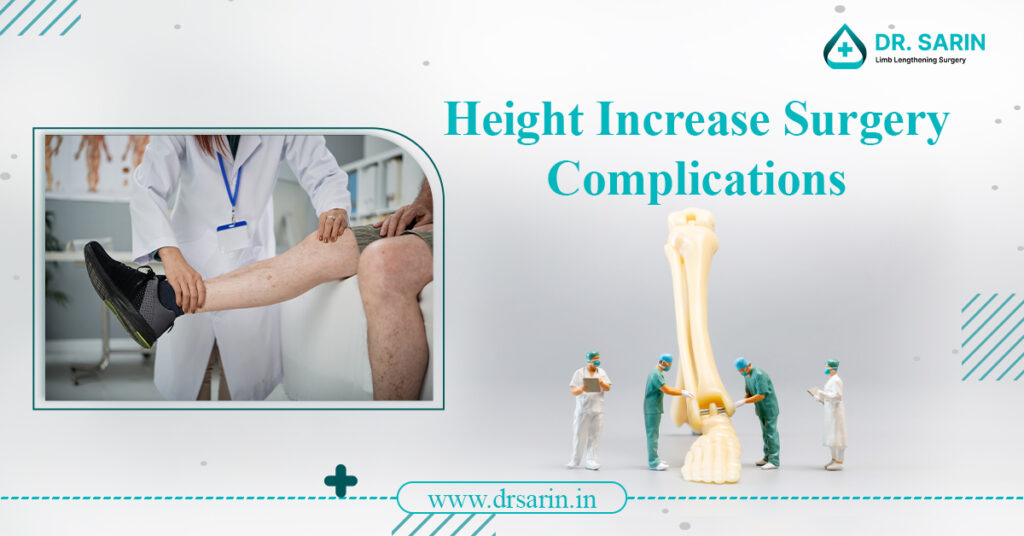
Height Increase Surgery Complications: Understanding the Risks Involved in Limb Lengthening Procedures Height increase surgery—also known as limb lengthening surgery—has grown in popularity among individuals seeking not only to correct limb discrepancies but also to improve self-confidence and quality of life. While it offers life-changing benefits, it’s essential to understand that the procedure is complex and comes with potential complications. As with any major surgical intervention, being informed about the risks is just as important as knowing the benefits. This guide offers an overview of the common and rare complications associated with height increase surgery and highlights the importance of expert care in minimizing them. What Is Height Increase Surgery? Height increase surgery is based on the technique of distraction osteogenesis, where the bone is surgically cut and gradually lengthened using an external or internal device. Over time, new bone, muscle, and tissue grow in the gap, allowing for an increase in height. While advancements in technology have made the procedure safer and more predictable, it still involves significant strain on the body, particularly the musculoskeletal and nervous systems. Common Complications After Height Increase Surgery 1. Pain and Discomfort Pain is a natural response post-surgery, especially during the distraction phase. If not managed well, it can affect mobility, sleep, and mental health. Proper pain management plans are essential to keep discomfort at bay. 2. Joint Stiffness Muscles, tendons, and ligaments are also being stretched. Without proper physiotherapy, stiffness in the ankle, knee, or hip joints may occur. Regular stretching and guided physical therapy help minimize this risk. 3. Nerve Irritation or Damage Nerves may be stretched along with the bones. This can lead to numbness, tingling, or weakness. In rare cases, nerve damage can be long-term, but this is typically avoidable with proper monitoring. 4. Delayed Bone Healing Sometimes the new bone doesn’t regenerate as quickly as expected. Poor nutrition, smoking, or inadequate rest can contribute to this issue. Additional procedures or bone grafting may be required in such cases. 5. Muscle Tightness and Cramps Muscles may not adapt as quickly as bone. This can result in tightness, spasms, or even temporary deformities. Ongoing physical therapy and muscle relaxants help alleviate this. Less Common But Serious Complications 1. Infection External fixators increase the risk of pin-site infections. Internal rods lower this risk but still carry a chance of deep tissue infections. Daily hygiene and regular check-ups help prevent infections. 2. Bone Deformity or Misalignment If the bone grows at an uneven angle, deformity can occur. Skilled surgical planning and real-time monitoring during the process are critical to avoid this. 3. Psychological Stress The long recovery time and physical limitations can lead to depression or anxiety. Emotional support and counseling are an important part of the journey. How to Minimize Risks? Choosing the right surgeon and medical team plays a vital role in reducing complications. Here’s what to look for: Board-certified orthopedic surgeon with experience in limb lengthening Transparent discussion of risks and outcomes A strong post-op support system: physiotherapists, pain management, nutritionists Regular follow-ups for monitoring bone growth and alignment Importance of Post-Surgery Rehabilitation Rehabilitation is not optional—it is part of the healing process. Physiotherapy: Keeps joints mobile and muscles flexible Nutrition: Supports bone healing and tissue growth Lifestyle Adjustments: Adequate rest, avoiding smoking and alcohol, and stress management Mental Health Care: Coping with limitations during recovery can be challenging—support groups and therapy help Is It Worth the Risk? Height increase surgery can be transformative for individuals with medical or psychological reasons for pursuing it. But it’s crucial to have realistic expectations and be fully committed to the lengthy recovery process. With expert guidance, complications are rare and manageable. However, patients should always weigh the risks and rewards and consult a qualified specialist before making a decision. Final Thoughts Height increase surgery is not just about gaining inches—it’s a complex medical journey. Understanding the complications and preparing for them is essential to ensure the best outcomes. Dr. Amar Sarin, one of India’s most trusted limb lengthening specialists, prioritizes patient education, transparent guidance, and holistic post-surgical care. If you’re considering this path, take the time to learn, plan, and choose your medical partner wisely. You May Also Like to Know: Pain Management After Limb Lengthening Surgery Exercise & Recovery After Limb Lengthening Surgery Limb Lengthening Surgery: How Much Height Can You Safely Gain? Mogging and Height: How to Overcome From the Hidden Trauma of Being Short How Safe Is Limb Lengthening Surgery?