Bow legs are a common condition that affects the alignment of the legs. Many people notice that their legs curve outward and wonder whether it is normal, whether it requires treatment, or whether it will improve over time. Parents often become concerned when they observe a gap between their child’s knees while standing, and adults may wonder if their leg shape is a sign of an underlying orthopedic issue.
Understanding what bow legs are is the first step toward determining whether the condition requires medical attention. While bow legs can be a normal part of development in some cases, they can also be associated with structural changes in the bones that may require evaluation by an orthopedic specialist.
What Are Bow Legs?
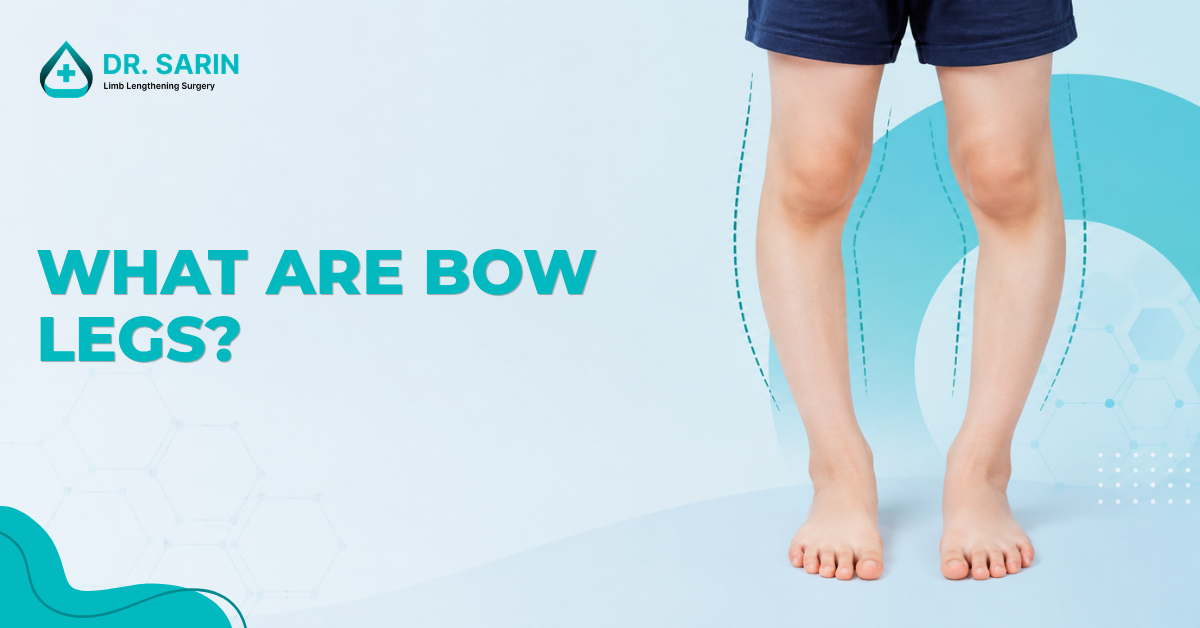
Bow legs, medically known as genu varum, is a condition in which the legs curve outward, creating a noticeable gap between the knees when a person stands with their feet and ankles together.
In a person with normal lower limb alignment, the knees and ankles are generally aligned in a way that allows the legs to appear relatively straight. In someone with bow legs, the knees remain apart while the ankles may touch or come close together.
The degree of bowing can vary significantly from one individual to another. Some people have only a mild outward curve that is barely noticeable, while others have a more pronounced bowing of the legs.
Why Is This Condition Named So?
The condition gets its name from the appearance of the legs.
When viewed from the front, the legs may resemble the curved shape of a bow. This outward curvature creates a space between the knees that can be easily seen when standing.
The appearance can affect one leg or both legs, although bow legs most commonly involve both lower limbs.
How Frequently Does This Condition Occur?
Bow legs are relatively common, particularly in young children.
Many infants and toddlers naturally have some degree of outward leg curvature during early development. As children grow, their leg alignment often changes as part of the normal growth process.
However, bow legs are not limited to childhood. Adults can also have bow legs, either because the alignment persisted from childhood or because the condition developed later in life.
The appearance and significance of bow legs depend on factors such as age, severity, and the underlying structure of the bones.
What Do Bow Legs Look Like?
People with bow legs typically notice that:
- Their knees remain apart when standing with their feet together.
- The legs curve outward instead of appearing straight.
- The gap between the knees may be more noticeable during standing.
- The overall shape of the legs appears bowed.
The degree of bowing can vary widely. Some individuals have only a slight curve, while others have a more visible difference in alignment.
Because the appearance varies from person to person, it is often difficult to determine the severity of the condition simply by looking at the legs.
Are Bow Legs the Same as Knock Knees?
No.
Bow legs and knock knees are different conditions.
In bow legs, the knees remain apart while the ankles are closer together.
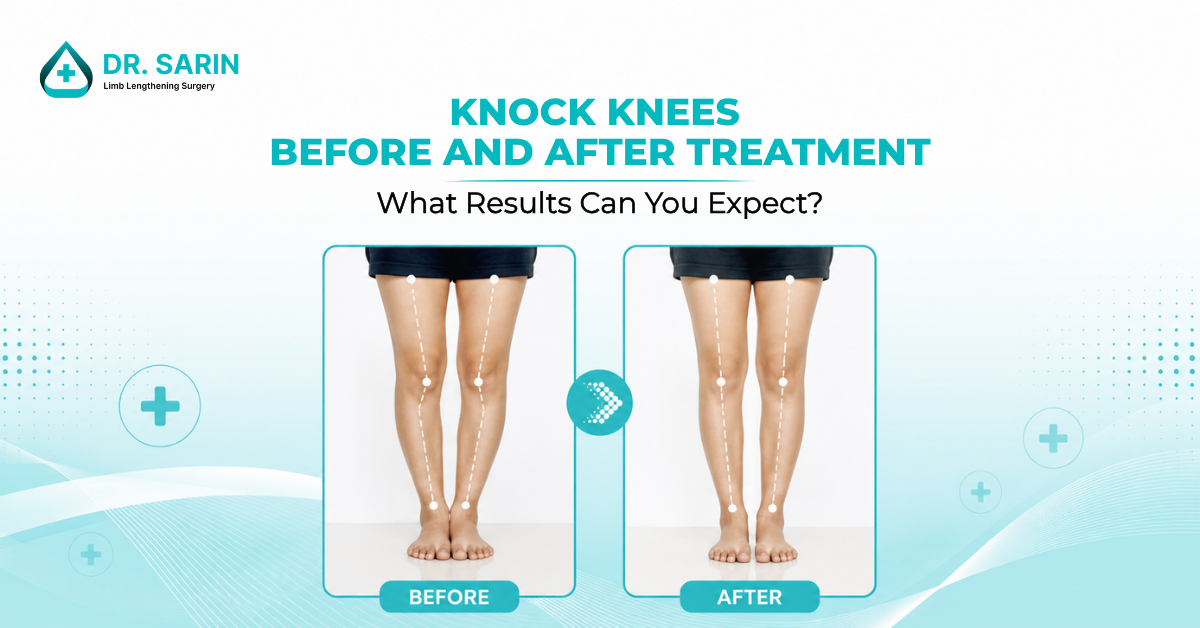
In knock knees, the knees angle inward and touch while the ankles remain apart.
Although both conditions affect lower limb alignment, they involve opposite patterns of deformity and may require different evaluation and treatment approaches.
Can Bow Legs Affect One Leg or Both?
Bow legs most commonly affect both legs.
However, in some individuals, one leg may appear more bowed than the other. This difference in alignment can make the condition appear asymmetrical.
When one leg is noticeably different from the other, a detailed orthopedic evaluation is often helpful to understand the reason for the variation.
Does the Severity of Bow Legs Vary?
Yes.
Bow legs can range from mild to severe.
Some individuals have a slight outward curvature that causes little concern, while others may have a more significant alignment difference.
The visible appearance of the legs does not always accurately reflect the underlying structure of the bones. Two people with similar-looking legs may have very different alignment patterns when evaluated by an orthopedic specialist.
This is one reason why professional assessment is important when determining the true nature of the condition.
Why Is Proper Evaluation Important?
Many people try to determine the severity of bow legs by comparing their legs with photographs found online.
While this may provide a general idea, it cannot accurately reveal:
- The degree of deformity
- The source of the bowing
- The overall alignment of the lower limbs
- Whether treatment may be necessary
A proper evaluation helps specialists understand the relationship between the hips, knees, and ankles and identify any underlying structural issues.
Without this information, it is difficult to make informed decisions about management or treatment.
How Do Doctors Assess Bow Legs?
Orthopedic specialists typically evaluate bow legs through a combination of:
- Physical examination
- Alignment assessment
- Medical history review
- Imaging studies when necessary
The goal is not simply to confirm that bow legs are present but to understand the severity and nature of the condition.
Accurate diagnosis forms the foundation for any future treatment recommendations.
Why Understanding Bow Legs Matters
Many people assume that bow legs are only a cosmetic concern.
However, understanding the condition is important because bow legs can vary significantly in severity and presentation. What appears to be a minor alignment difference in one person may represent a more complex deformity in another.
This is why obtaining accurate information and professional guidance is often beneficial, particularly when the condition appears pronounced or persists over time.
Expert Insight from Dr. Amar Sarin
According to Dr. Amar Sarin, an orthopedic surgeon specializing in limb deformity correction, understanding the exact nature of bow legs is essential before considering any treatment options. While many cases involve mild alignment differences, others may require detailed assessment to determine the underlying cause and severity of the deformity. A comprehensive evaluation helps ensure that treatment recommendations are based on accurate diagnosis rather than appearance alone.
Conclusion: Understanding Bow Legs and Their Treatment
Bow legs, or genu varum, is a condition in which the legs curve outward, creating a gap between the knees when standing with the feet together. The condition can affect both children and adults and may range from a mild variation in alignment to a more significant deformity.
Because the appearance of bow legs does not always reflect the underlying structure of the bones, proper evaluation is important for understanding the condition. A detailed orthopedic assessment can help determine the severity of the bowing, identify any contributing factors, and provide clarity about whether further investigation or treatment may be necessary.