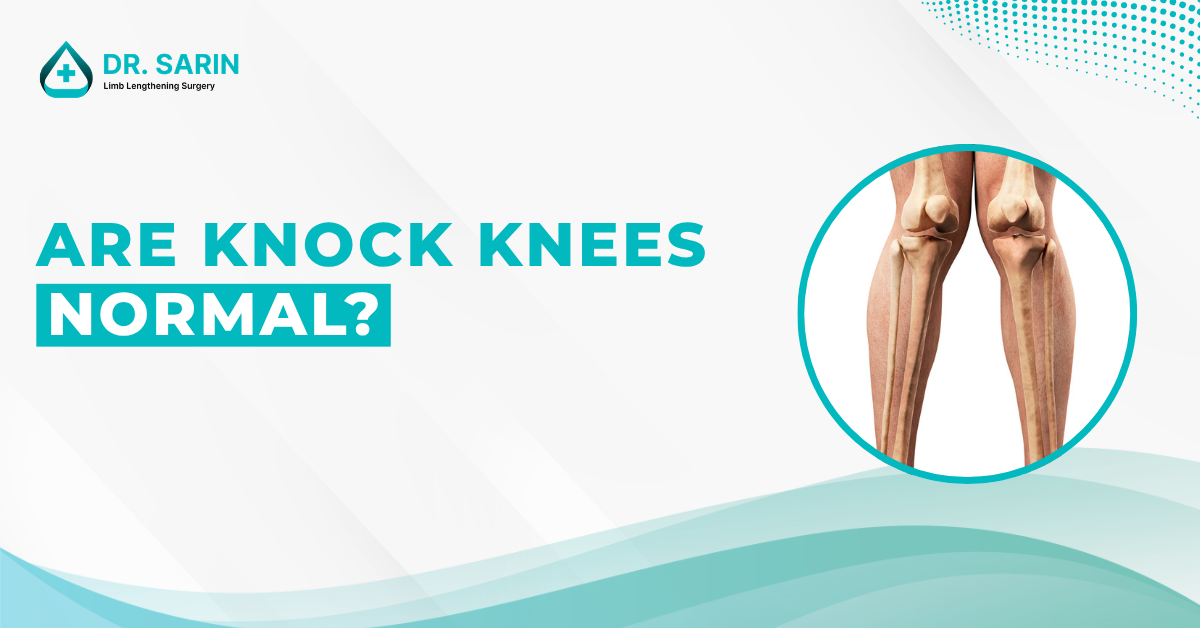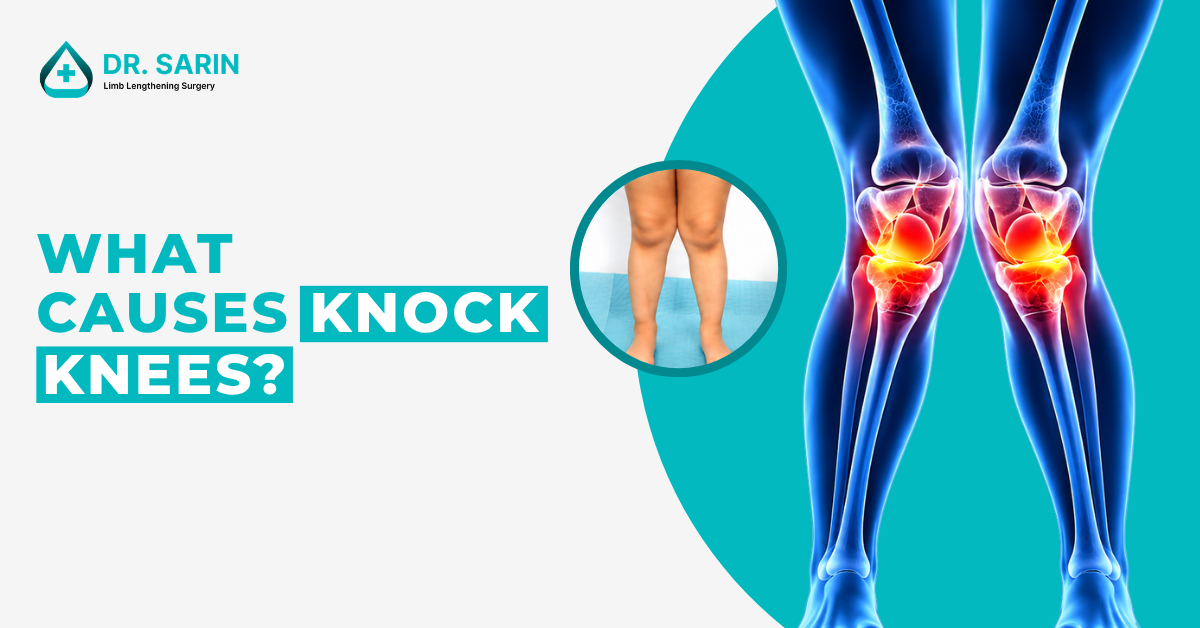
What Causes Knock Knees?: Knock knees, medically known as genu valgum, is a condition in which the knees angle inward while the ankles remain apart when standing. While many people are familiar with the appearance of knock knees, fewer understand why this alignment develops in the first place.
The causes of knock knees can vary depending on a person’s age, overall health, and bone development. In some cases, knock knees are a normal part of growth, while in others they may be associated with underlying conditions that affect bone alignment. Understanding the possible causes of knock knees can help individuals better understand the condition and its development.
Normal Growth and Development
One of the most common causes of knock knees is normal childhood growth and development. As children grow, their leg alignment naturally changes through different stages.
Many young children experience a period during which their knees angle inward. This is often considered a normal part of skeletal development. As growth continues, the alignment of the legs usually changes and becomes more balanced over time.
Because leg alignment evolves throughout childhood, the appearance of knock knees at certain ages does not always indicate a problem. Growth-related genu valgum is often a natural developmental phase.
Genetic Factors
Genetics can also play a role in the development of knock knees. Just as height, body structure, and facial features can be inherited, certain characteristics of bone alignment may run in families.
Some individuals may naturally have a greater tendency toward inward knee alignment due to inherited skeletal traits. In these cases, the overall shape and positioning of the lower limbs may be influenced by genetic factors that affect bone growth and alignment.
A family history of lower limb alignment variations may sometimes be observed in people with knock knees.
Nutritional Deficiencies
Healthy bone development depends on proper nutrition. Nutrients such as vitamin D and calcium play important roles in maintaining strong bones and supporting normal skeletal growth.
When the body does not receive sufficient nutrients during critical growth periods, bone development may be affected. This can influence the way bones grow and align, potentially contributing to changes in leg positioning.
Conditions associated with nutritional deficiencies have historically been linked to abnormalities in bone structure and lower limb alignment, including genu valgum.
Bone and Growth Disorders
Certain bone and growth-related disorders can affect the way the lower limbs develop. These conditions may influence the growth plates, bone structure, or overall skeletal alignment.
When normal bone growth is disrupted, the legs may gradually develop an inward angulation at the knees. Depending on the underlying condition, the degree of alignment change can vary significantly.
Various developmental disorders that affect the skeleton may be associated with knock knees as one of their physical characteristics.
Injuries Affecting Bone Growth
In some cases, knock knees may develop following injuries that affect the bones around the knee or growth plates.
Growth plates are areas of developing tissue located near the ends of children’s bones. These structures play a crucial role in determining how bones grow. If a growth plate is damaged, the affected bone may not develop in the usual way.
Changes in bone growth following an injury can sometimes alter leg alignment, leading to differences in the positioning of the knees and lower limbs.
Obesity and Increased Pressure on the Legs
Excess body weight may influence lower limb alignment, particularly during childhood. The legs support the body’s weight during standing, walking, and other daily activities.
When additional pressure is placed on developing bones and joints, it may affect the way the lower limbs align over time. Researchers have observed an association between obesity and an increased likelihood of genu valgum in some individuals.
While body weight alone does not necessarily cause knock knees, it may contribute to alignment changes in certain situations.
Joint and Bone Conditions in Adults
Although knock knees are often associated with childhood development, they can also occur in adults. In some cases, changes within the joints or bones may gradually alter leg alignment over time.
Conditions that affect joint structure, bone quality, or lower limb stability may contribute to the development of genu valgum in adulthood. These changes can occur slowly and may become more noticeable as alignment shifts over the years.
Adult-onset knock knees are often linked to factors that influence the health and structure of the knee joint and surrounding bones.
Can More Than One Factor Cause Knock Knees?
Yes. In many cases, knock knees may not result from a single cause. Multiple factors can influence leg alignment at the same time.
For example, genetics may affect the basic structure of the lower limbs, while growth patterns, nutrition, and overall health contribute to how the bones develop over time. Similarly, a person may have a natural tendency toward genu valgum that becomes more noticeable due to other contributing factors.
Because every individual is different, the underlying causes of knock knees can vary from person to person.
Why Understanding the Cause of Knock Knees Matters?
Understanding the cause of knock knees is important because it provides insight into how the condition develops. The reasons behind genu valgum can differ significantly depending on age, medical history, growth patterns, and overall skeletal health.
Recognizing that knock knees may result from developmental, genetic, nutritional, or structural factors helps individuals better understand the condition and its potential origins. This knowledge can also be valuable when discussing concerns about leg alignment with a healthcare professional.
Expert Perspective on Knock Knees
Knock knees can develop for a variety of reasons, and identifying the underlying cause is often an important part of understanding the condition. According to Dr. Amar Sarin, an experienced orthopedic surgeon specializing in knock knees correction surgery, genu valgum may be associated with normal growth patterns, inherited skeletal traits, nutritional factors, injuries, or other conditions that affect bone alignment. Because every patient is unique, understanding the factors contributing to knock knees can help provide greater clarity regarding lower limb alignment and overall orthopedic health.
Conclusion: What Causes Knock Knees?
Knock knees can develop due to several different factors, ranging from normal childhood growth and genetic influences to nutritional deficiencies, injuries, and bone-related conditions. In some individuals, a combination of factors may contribute to the inward alignment of the knees.
Understanding what causes knock knees helps individuals gain a clearer picture of how the condition develops and why leg alignment can vary from person to person. By learning about these contributing factors, people can better understand genu valgum and the role that growth, bone health, and skeletal development play in shaping lower limb alignment.