Limb lengthening is a complex medical procedure that requires careful planning, proper technique, and strong bone healing. One of the most important factors that affects the success of limb lengthening is bone density. Many patients focus on height gain and recovery time, but bone density plays a major role in how well the bone heals and how safe the process is.
Understanding bone density in simple terms can help patients prepare better and improve their results.
What Is Bone Density?
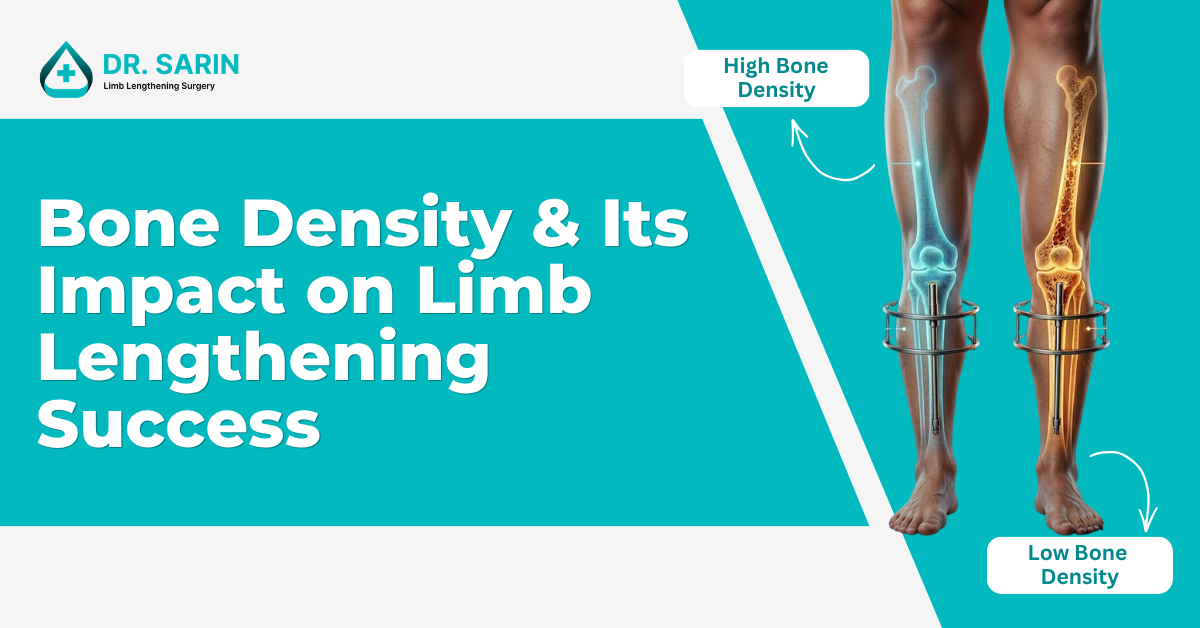
Bone density refers to how strong and solid your bones are. Bones are not completely solid. They have a structure inside that looks like a sponge. When bone density is good, this structure is strong and compact. When bone density is low, bones become weaker and more fragile.
In limb lengthening, the bone is slowly separated so that new bone can form. If the bone density is good, the bone heals faster and becomes stronger. But if bone density is low, healing can be slower and there may be a higher risk of complications.
That is why doctors always check bone health before planning limb lengthening surgery.
Why Bone Density Matters in Limb Lengthening?
Limb lengthening depends on the body’s ability to form new bone. This new bone must be strong enough to support the body weight and daily movement. Bone density directly affects this process.
When bone density is good, new bone forms more easily. The bone becomes strong faster and patients can recover smoothly. On the other hand, low bone density can slow down bone formation. This may increase treatment time and require more monitoring.
Bone density also affects the stability of the bone during lengthening. Strong bones hold the devices better and reduce the risk of complications. This helps make the lengthening process safer.
How Doctors Check Bone Density?
Before limb lengthening surgery, doctors usually evaluate bone health. This may include physical examination, medical history, and sometimes special tests. One common test used is a bone density scan. This test measures how strong the bones are.
The test is simple and painless. It helps doctors understand whether the patient is ready for limb lengthening or needs preparation first.
In many cases, even if bone density is slightly low, patients can still undergo limb lengthening. Doctors may recommend improving bone strength before surgery.
Who May Have Low Bone Density?
Some people naturally have lower bone density than others. Age is one of the common factors. As people grow older, bone density may decrease. However, young adults can also have low bone density due to lifestyle or nutrition.
Low bone density may be seen in:
- People with poor nutrition
- Individuals with low calcium intake
- People who avoid sunlight
- Smokers
- Individuals with sedentary lifestyle
These factors affect bone strength over time.
Bone Density and Bone Healing
Bone healing is the most important part of limb lengthening. After surgery, the bone is slowly lengthened and new bone starts forming. Good bone density supports this process.
When bone density is strong, bone regeneration is smooth. The new bone becomes solid and stable. Patients may experience fewer delays and smoother recovery.
When bone density is low, bone regeneration may be slower. The new bone may take more time to harden. Limb Lengthening Doctors may slow down the lengthening rate to allow proper healing.
This does not mean limb lengthening cannot be done. It simply means extra care and monitoring may be required.
Can Bone Density Be Improved Before Surgery?
Yes, bone density can be improved. Doctors often recommend improving bone health before limb lengthening. This preparation helps reduce complications and improves results.
Improving bone density usually involves lifestyle changes and proper nutrition. These changes may start weeks or months before surgery.
Eating a balanced diet is one of the most important steps. Calcium and vitamin D play a big role in bone strength. Protein is also important for bone healing.
Foods that support bone health include dairy products, green vegetables, nuts, eggs, and fish. These foods provide nutrients needed for strong bones.
Sunlight exposure also helps the body produce vitamin D. Spending some time in sunlight daily can support bone health.
Regular exercise also improves bone density. Simple activities like walking and light strength exercises help keep bones strong.
Bone Density During Lengthening Phase
During limb lengthening, bone density continues to play an important role. As the bone is lengthened, new bone starts forming in the gap. This new bone needs time to become strong.
Patients must follow medical advice carefully during this period. Physiotherapy helps maintain joint movement and improves blood circulation. Better circulation supports bone formation.
Doctors monitor bone formation using regular X-rays. This helps ensure the bone is healing properly.
If bone density is good, the bone gradually becomes stronger. Patients may progress smoothly through the lengthening phase.
Bone Density and Recovery Time
Bone density also affects how long recovery takes. Strong bone density may lead to faster recovery. Patients may return to normal activities sooner.
Low bone density may increase recovery time. The bone may need more time to harden fully. This is normal and doctors adjust the treatment accordingly.
Recovery time varies from patient to patient. Bone density is just one of the factors that influence healing.
Supplements for Bone Density
Doctors sometimes recommend supplements to improve bone health. These may include calcium, vitamin D, and other nutrients. Supplements help support bone formation during limb lengthening.
Patients should only take supplements recommended by their doctor. Taking too many supplements without guidance is not recommended.
A balanced diet combined with supplements often gives the best results.
Lifestyle Habits That Affect Bone Density
Certain lifestyle habits can impact bone density. Smoking is one of the biggest factors that weaken bones. Smoking reduces blood flow and slows bone healing.
Alcohol consumption may also affect bone strength. Doctors usually advise avoiding alcohol during limb lengthening.
Lack of physical activity can also reduce bone density. Staying active helps maintain bone strength.
Maintaining a healthy weight is also important. Being underweight may affect bone density and healing.
Bone Density and Internal Lengthening Devices
Modern limb lengthening techniques use internal devices. These methods are often more comfortable and safer. Bone density still plays an important role with these devices.
Strong bones help hold the internal device properly. This improves stability and reduces complications.
Patients with good bone density often experience smoother recovery with internal devices.
Can Low Bone Density Stop Limb Lengthening?
Low bone density does not always stop limb lengthening. In many cases, doctors prepare patients before surgery. With proper care and planning, limb lengthening can still be successful.
Doctors evaluate each patient individually. They decide the best approach based on bone health and overall condition.
Preparation and monitoring help improve outcomes.
Final Thoughts
Bone density is one of the key factors in successful limb lengthening or height increase surgery. Strong bones support better healing, smoother recovery, and safer results. Understanding bone density helps patients prepare properly for the procedure.
Improving bone health before surgery can make a big difference. Healthy diet, sunlight exposure, exercise, and avoiding smoking all support bone density.
Limb lengthening is a journey that requires patience and care. With good bone density and proper guidance, patients can achieve safe and successful height gain.
Also Read:
- Role of Stem Cells in Bone Regeneration During Lengthening
- Scars After Leg Lengthening Surgery: Types, Treatments and Differences
- How Safe Is Limb Lengthening Surgery? Risks and Precautions
- What’s The Average Height Per Country?
- Limb Lengthening Surgery Recovery Time: When Can You Return to Work & Sports?