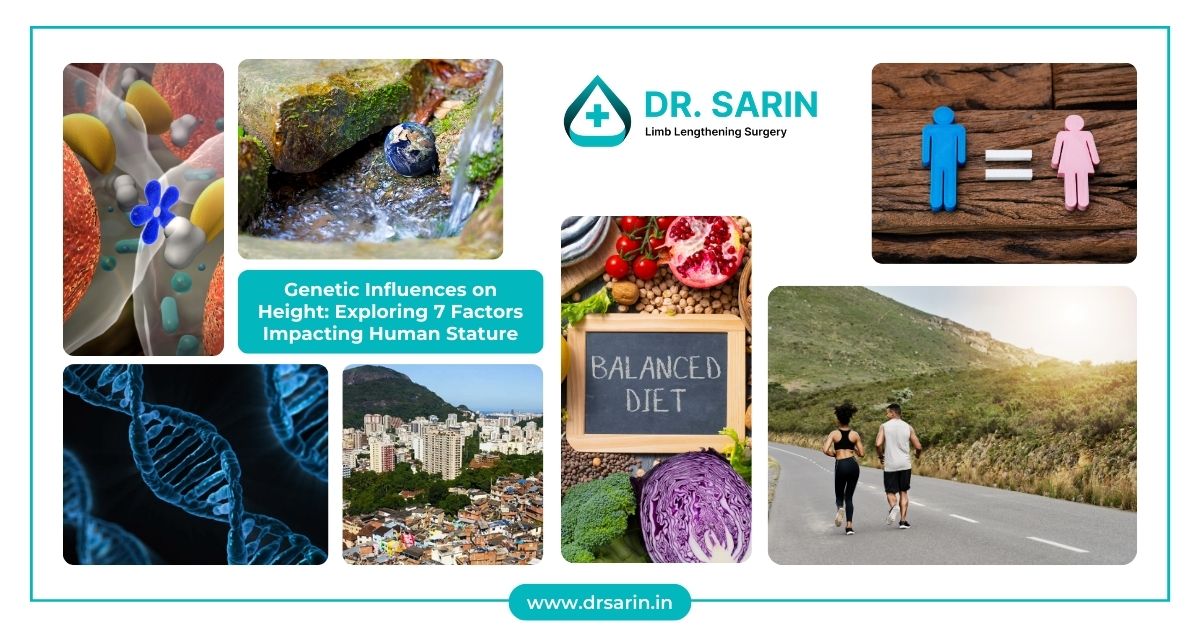
Height has long been a topic of fascination and curiosity. People often wonder why some individuals tower over others while others remain petite. The debate surrounding whether height is predominantly governed by genetics or influenced by various other factors is ongoing. Let’s delve into the intricate web of influences on human height and explore the seven key factors affecting human height growth and play pivotal roles in determining this aspect of our physicality.
1. DNA: The Blueprint of Stature

At the heart of the height puzzle lies our DNA. Our genetic makeup acts as the initial map, laying the groundwork for our potential height. Research indicates that 60–80% of a person’s height potential is inherited from their parents. Variations in specific genes, including those related to growth hormone production and bone development, contribute significantly to how tall or short a person may become. Height is a polygenic trait, meaning it is influenced by multiple genes rather than a single “height gene.”
How do height genetics work?
- Genes regulate bone growth, growth plate activity, and hormone production
- Both parents contribute equally to a child’s height potential
- Boys often inherit height patterns influenced by both maternal and paternal genetic lines
Here it is notable, genetics only defines the maximum potential height, it does not guarantee the final outcome.
2. Hormones: The Growth Orchestrators
Hormones act as messengers within the body, orchestrating growth and development. Growth hormone, produced by the pituitary gland, plays a fundamental role in stimulating growth and regulating height. Additionally, sex hormones like estrogen and testosterone also impact human growth patterns, with males and females experiencing growth spurts at different stages of adolescence. Hormonal imbalances during childhood or adolescence can significantly affect height growth.
Key hormones involved:
- Growth Hormone (GH): Stimulates bone and tissue growth
- Thyroid Hormones: Regulate metabolism and skeletal development
- Sex Hormones (Estrogen & Testosterone): Trigger adolescent growth spurts and growth plate closure
3. Nutrition: The Building Blocks of Growth

Nutrition forms the cornerstone of physical development, including height. A balanced diet that includes essential nutrients such as proteins, vitamins, minerals (mainly calcium and vitamin D), and adequate calories is crucial for optimal human height growth. Malnutrition, particularly during critical growth periods, can stunt growth potential, leading to shorter stature.
Nutrients critical for huam height growth:
- Protein (for tissue building)
- Calcium & Vitamin D (for bone strength)
- Zinc & Magnesium (for growth regulation)
- Adequate calories during growth years
4. Environment: The External Influence

Beyond genetics and nutrition, the environment we grow up in significantly influences our height. Factors like access to quality healthcare, pollution exposure, and socioeconomic conditions can impact growth. Adverse environmental conditions, such as toxins or inadequate healthcare exposure, can hinder proper growth and contribute to shorter stature.
5. Living Conditions: The Comforts and Constraints

The quality of living conditions, including access to clean water, sanitation, and healthcare facilities, is vital in determining a person’s height. Socioeconomic disparities can limit access to these essentials, affecting overall health and influencing an individual’s ultimate height potential.
Children raised in healthier environments generally achieve greater height compared to those with poor living conditions.
6. Gender: Nature’s Distinction

Nature has designed males and females differently, and this distinction extends to growth patterns. On average, males tend to be taller than females due to hormonal differences and genetic predispositions. However, variations within genders are vast, highlighting the multifaceted nature of height determination. Biological differences explain average height variations between genders.
Gender plays a natural role in height differences:
- On average, men are taller than women
- Boys experience later but longer growth spurts
- Girls mature earlier and stop growing sooner due to earlier growth plate closure
7. Physical Activity: Striving Toward Verticality

While genetics set the stage and nutrition fuels growth, physical activity is a catalyst. Regular exercise and physical activity, especially during childhood and adolescence, promote bone health, stimulate growth, and contribute to overall stature. Engaging in activities that encourage stretching and weight-bearing exercises can positively impact height potential.
In other words we can say, Physical activity supports bone density, posture, and muscle development, especially during growth years.
Can exercise increase height?
- In children & adolescents: Exercise supports optimal growth
- In adults: Exercise does NOT increase bone length
Can sprinting increase height?
No. Sprinting improves muscle strength and posture but cannot increase height after growth plates close.
Age & Growth Plate Closure
Height growth depends on open epiphyseal (growth) plates.
| Age Group |
Height Increase Possible?
|
| Childhood | ✅ Yes |
| Adolescence | ✅ Yes |
| After puberty (18–21+) |
❌ No (naturally)
|
Can Height Be Increased After Growth Stops?
Natural Method: After adulthood nutrition, exercise, stretching, Posture correction may help you to look a little taller by improving your posture. But, do not increase actual height.
Limb Lengthening Surgery: A Medical Height Increase Option
For adults who wish to increase height, limb lengthening surgery is the only scientifically proven method to permanently increase height after growth completion.
From an orthopaedic standpoint:
- Height is biologically limited after skeletal maturity
- Claims of adult height increase through exercises or supplements are not medically supported
- Surgical options should be considered only after proper evaluation
A qualified limb lengthening specialist evaluates:
- Bone health
- Psychological readiness
- Functional expectations
- Long-term outcomes
Conclusion
In conclusion, while genetics form the backbone of height determination, many factors intricately weave together to shape an individual’s ultimate stature. Understanding these influences can show how to optimize growth potential and underscore the importance of holistic well-being in achieving one’s maximum height.
As we navigate the complex interplay between genetics, environment, nutrition, and lifestyle factors, it becomes evident that height is not solely a result of genetic inheritance but a harmonious symphony of various influences that sculpt our physical selves.
Frequently Asked Questions (SEO-Optimized)
Q1. What factors affect height growth?
Genetics, hormones, nutrition, environment, physical activity, gender, and overall health.
Q2. Where does height come from?
Height comes primarily from inherited genes, influenced by nutrition, hormones, and growth conditions.
Q3. Who do you get your height from?
Both parents contribute equally to height genetics.
Q4. What makes you tall?
A combination of favorable genetics, proper nutrition, healthy hormones, and good living conditions.
Q5. How does height genetics work?
Multiple genes regulate bone growth, hormone response, and growth plate activity.
Q6. Can you increase height naturally?
Only during childhood and adolescence. Adults cannot naturally increase bone length.
Q7. Can sprinting increase height?
No. Sprinting improves fitness but does not increase height after growth plates close.
Q8. What determines a child’s height?
Parental genetics, nutrition, hormonal health, and living environment.
Also Read: