
What is Quadrilateral Lengthening?
Quadrilateral lengthening is a groundbreaking medical procedure that’s transforming lives and restoring mobility for individuals with specific orthopedic conditions. Dr. Sarin, a pioneer in this field, has been at the forefront of innovation, offering hope and a new lease on life for patients facing musculoskeletal challenges. Understanding Quadrilateral Surgery It is a surgical technique designed to address complex issues related to the pelvis and hip. This procedure is typically recommended for patients with conditions such as developmental dysplasia of the hip (DDH), Legg-Calve-Perthes disease, or hip dysplasia. These conditions can cause severe pain, impaired mobility, and even disability, making it essential to explore effective treatment options. How The Surgery Works During a quadrilateral procedure, the hip socket (acetabulum) is surgically repositioned to improve its coverage of the femoral head (the ball of the hip joint). This realignment not only reduces pain but also enhances joint stability and function. Dr. Sarin, with years of experience in height increase surgery and a commitment to excellence, specializes in performing the surgeries with precision and care. His expertise ensures that patients receive the best possible outcome, allowing them to regain their independence and enjoy an improved quality of life. Why Choose Dr. Sarin for this surgery Conclusion This is a transformative medical procedure, and Dr. Sarin’s expertise in this field is nothing short of remarkable. If you or a loved one is dealing with hip-related issues, consider consulting with Dr. Sarin to explore the potential benefits of this surgery. With his skill and dedication, you can look forward to a future with improved mobility and a higher quality of life. Don’t let hip conditions hold you back; take the first step towards a pain-free, active life with Dr. Sarin. Also Read: What is Quadrilateral Lengthening? Prejudice against Limb-Lengthening Surgery Can You Do Sports after Limb Lengthening Surgery? Body Proportions after Limb Lengthening Surgery Optimum Muscle Form and Weight for Limb-Lengthening
Dos and Don’ts Of Exercise and Physical Activity Following Limb Lengthening Surgery
Limb lengthening surgery is a transformative procedure that requires careful consideration during the recovery period and in the postoperative phase. Appropriate exercise and physical activities are crucial for a successful and smooth recovery. This guide will explore the dos and don’ts of exercise and physical activity after limb-lengthening surgery to ensure a safe and effective rehabilitation process. Why Physical Activity Matters After Your Surgery Recovery from limb lengthening surgery involves more than just resting and allowing your body to heal. Physical activity is vital in maintaining overall health, preventing complications, and promoting the proper alignment of the lengthened limb. Engaging in appropriate exercises helps improve blood circulation, reduce muscle stiffness, and enhance joint flexibility. Tailoring Your Physiotherapy, Exercise, and Physical Activity Routine Every individual’s body responds differently to limb-lengthening surgery. Working closely with your healthcare team, including physiotherapists and surgeons, is essential to develop a customized exercise routine that suits your specific needs and limitations. Tailoring your program ensures that you’re addressing your unique recovery requirements. Do’s: Recommended Exercises and Physical Activities to Perform Range of Motion Exercises Gentle range of motion exercises help maintain joint flexibility and prevent stiffness. Controlled movements within your comfort range are essential for promoting healing and preventing complications. Stretching Incorporating stretching exercises helps prevent muscle tightness and promote flexibility. Focus on stretches that target the muscles around the lengthened limb, ensuring a comprehensive and balanced approach. Strengthening Exercises Gradual and controlled strength training is crucial for rebuilding muscle strength and endurance. Targeting both the lengthened and non-lengthened limbs helps maintain balance and stability during recovery. Low-Impact Aerobic Activities Activities like walking, swimming, and stationary cycling are excellent low-impact options. These exercises promote cardiovascular health without putting excessive stress on the healing limb. Social Activities Engaging in social activities that don’t strain the recovering limb is beneficial for mental and emotional well-being. Joining support groups, attending low-impact social events, and staying connected with loved ones positively contribute to recovery. Don’ts: Exercises and Activities to Avoid High-Impact Activities Avoid high-impact exercises such as running, jumping, or activities that generate excessive force on the lengthened limb. These activities can jeopardize the healing process and lead to complications. Heavy Weightlifting Lifting heavy weights places undue stress on the musculoskeletal system. Steer clear of weightlifting routines involving heavy resistance, especially in the initial recovery phases. Overstretching While stretching is beneficial, overstretching can cause harm. Avoid aggressive or extreme stretching that may strain the muscles and joints around the lengthened limb. Always Stay Alert Be mindful of your body’s signals. If you experience pain, discomfort, or unusual sensations during or after an activity, stop immediately and consult your healthcare team. Tips for a Safe and Smooth Recovery Gradual Progression Take a gradual approach to your exercise routine. Gradually increase the intensity and duration of activities as your body becomes more robust and more accustomed to the demands. Listening to Your Body Pay close attention to how your body responds to different exercises. If you feel pain, discomfort, or fatigue, modify or discontinue the activity as needed. Eating Well & Sleeping Well A well-balanced diet and adequate sleep are integral components of the recovery process. Proper nutrition and rest contribute to the body’s healing and recovery mechanisms. Regular Check-ins with Your Physical Therapist Scheduled appointments with your physical therapist are essential for monitoring progress, adjusting exercises, and addressing any concerns or challenges you may encounter during your recovery journey. In conclusion, the dos and don’ts outlined above provide a foundation for a safe and effective recovery after limb lengthening surgery. Remember, each person’s recovery is unique, so always consult your healthcare team for personalized guidance tailored to your situation. A well-structured exercise and physical activity approach can enhance your recovery and help you regain optimal function and mobility. You May Also Like to Read: Bone Recovery Post Limb Lengthening Surgery with Nutrition and Supplements Scars After Leg Lengthening Surgery: Types, Treatments and Differences Returning to Work and Daily Life After Limb Lengthening Surgery Why do surgeons use an external fixator for limb lengthening procedures? Reasons Why People Get Cosmetic Leg-Lengthening Surgery Done
Common Myths about Limb Lengthening Surgery
Limb lengthening surgery is a medical procedure that has gained attention for its potential to address height-related concerns. However, amidst the curiosity, several myths surround this surgical process. Let’s debunk these misconceptions and shed light on the realities of limb-lengthening surgery. Non-Operational Methods for Increasing Height One prevalent myth is the belief that surgical intervention is the only way to increase height. In reality, there are non-surgical methods, such as exercises, nutrition, and posture correction, that contribute to height enhancement. While these non-operational approaches may lead to subtle changes, limb lengthening surgery remains a more significant option for those seeking a more dramatic transformation. Many Patients Wish to Lengthen Their Limbs by Ten or More Centimeters in a Single Procedure. While limb lengthening surgery is indeed a transformative procedure, expecting an increase of 10 or more centimetres in a single surgery is unrealistic and medically unsound. Limb lengthening is a gradual process that requires time and careful monitoring. Surgeons typically recommend multiple surgeries, each aimed at achieving a modest lengthening to ensure the safety and well-being of the patient. Very High Probability of Losing the Ability to Move, Having Deformed Legs, or Other Permanent Complications Contrary to the myth surrounding limb lengthening surgery, advancements in medical technology and surgical techniques have significantly reduced the risks associated with the procedure. While no surgery is entirely without risks, limb lengthening surgeries are performed by skilled orthopaedic surgeons who prioritize minimizing complications. With proper medical guidance, the chances of permanent complications, such as loss of mobility or deformed legs, are considerably low. Scary and Cumbersome Ilizarov Device The fear of limb lengthening often stems from outdated perceptions, especially concerning the appearance of older versions of the Ilizarov device. Modern orthopaedic technologies have evolved, and the Ilizarov device has undergone significant improvements. The contemporary appliances are designed with patient comfort and convenience in mind, ensuring a smoother experience during the limb-lengthening process. These devices are far from the intimidating images of their predecessors. In conclusion, limb lengthening surgery is a medical procedure surrounded by misconceptions. Non-operative methods exist for height enhancement, and surgical procedures are not as drastic as some myths suggest. The risks associated with limb lengthening surgery have been significantly mitigated through technological advancements, and the outdated fears related to the appearance of orthopaedic devices are no longer valid. It is crucial for individuals considering limb lengthening surgery to consult with qualified medical professionals who can provide accurate information and guidance based on current practices and advancements in the field. Also Read: Ways to Increase Height After Puberty Genetic Influences on Height Can You Sprint After Leg Lengthening Surgery? Long-term Effects Of Limb Lengthening Surgery Dos and Don’ts Of Exercise and Physical Activity Following Limb Lengthening Surgery
Bone Recovery Post Limb Lengthening Surgery with Nutrition and Supplements
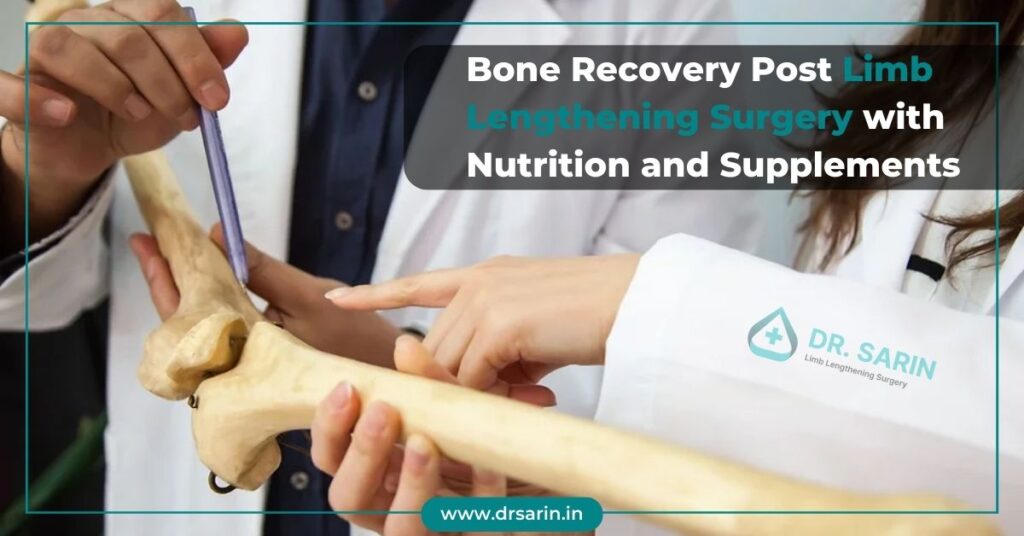
Limb lengthening surgery is a remarkable procedure that offers the possibility of increasing height or correcting limb deformities. However, the success of this surgery doesn’t solely depend on the surgical process; proper bone recovery post-surgery plays a pivotal role. Nutrition and supplements can significantly contribute to bone healing, ensuring a smoother and more effective recuperation process. Importance Of Nutrition In Bone Healing Nutrition plays a critical role in supporting bone healing. The body requires a plethora of nutrients, minerals, and vitamins to repair and regenerate bone tissue. Insufficient nutrition can impede the recovery process and prolong the healing duration. The Role Of Nutrients In Bone Repair Nutrient Deficiencies and Impaired Healing Deficiencies in vital nutrients can impair bone healing. Calcium, Vitamin D, Magnesium, Vitamin K, Vitamin C, Protein, and Omega-3 fatty acids are essential components in bone recovery. Lack of these nutrients can hinder the bone’s ability to mend itself efficiently. Key Nutrients and Supplements For Bone Healing Calcium Calcium forms the building blocks of bone tissue. Adequate calcium intake aids in bone mineralization, fortifying the structure and strength of bones. Vitamin D Vitamin D is crucial for calcium absorption and utilization in the body. It helps regulate the levels of calcium and phosphorus, enhancing bone mineralization. Magnesium Magnesium assists in converting Vitamin D into its active form, aiding in bone formation. It also participates in over 300 enzymatic reactions, crucial for bone health. Vitamin K Vitamin K supports the synthesis of proteins involved in bone mineralization, ensuring calcium binds to the bone matrix effectively. Vitamin C Vitamin C is essential for collagen synthesis, a key component of bone tissue. It supports the formation and repair of bones. Protein Protein provides the necessary amino acids for building and repairing bone tissue. It’s vital for the regeneration and maintenance of healthy bones. Omega-3 Fatty Acids Omega-3 fatty acids possess anti-inflammatory properties that can aid in reducing inflammation around the surgical site, potentially facilitating faster healing. Additional Tips For Supporting Bone Healing A Balanced Diet A well-rounded diet that includes a variety of nutrient-dense foods is crucial for supporting overall bone health and healing. Incorporate fruits, vegetables, lean proteins, dairy or dairy alternatives, whole grains, and healthy fats into your meals. Hydration Staying hydrated is essential for bone recovery. Water facilitates nutrient transport, aiding in the delivery of essential nutrients to the bones. Exercise Low-impact exercises prescribed by your healthcare provider can aid in enhancing bone strength and flexibility, promoting better healing post-surgery. Conclusion Nutrition and supplements are integral components of the bone recovery process post limb lengthening surgery. Ensuring adequate intake of key nutrients and following a balanced diet can significantly contribute to improved bone healing and overall recovery. Always consult with a healthcare professional or a nutritionist for personalized guidance and recommendations tailored to your specific needs. Also Read: Scars After Leg Lengthening Surgery Returning to Work and Daily Life After Limb Lengthening Surgery Why do surgeons use an external fixator for limb lengthening procedures? Reasons Why People Get Cosmetic Leg-Lengthening Surgery Done Does Limb lengthening surgery have any downsides?
Guide to the Initial 10 Days Following Leg Lengthening Surgery

Undergoing leg lengthening surgery marks the beginning of a transformative journey towards improved mobility and quality of life. The initial 10 days following the procedure are critical for laying the foundation for successful recovery and rehabilitation. From arrival in Gurugram to the commencement of physiotherapy and exercise programs, each day is meticulously planned to optimize healing and ensure the best possible patient outcomes. In this guide, we’ll walk through the step-by-step process of the first 10 days following leg lengthening surgery and provide insights into the subsequent phases of lengthening and recovery. By understanding what to expect during each stage, patients can approach their recovery journey with confidence and determination, knowing that a comprehensive and structured rehabilitation program supports them. Initial 10 Days After Surgery Undergoing leg lengthening surgery is a significant medical procedure that requires careful postoperative care and rehabilitation. The initial 10 days following surgery are crucial for ensuring a smooth recovery and laying the foundation for the lengthening process. Day 1: Arrival In Gurugram and rest at the rehab centre Upon arrival in Gurugram, you will be admitted to the rehabilitation centre where you will rest to recuperate from the journey and prepare for the upcoming surgery. Day 2: Meeting with the Doctor, examination, and preoperative tests On the 2nd day, you will meet your Doctor for a comprehensive examination and preoperative tests to assess your overall health and readiness for surgery. Day 3: Surgery day Day 3 marks the day of your leg lengthening surgery. A team of skilled surgeons will perform the surgical procedure using advanced techniques to achieve the desired lengthening goals. Day 4: Post-surgery care in the hospital room Following surgery, you will be transferred to a hospital room where you will receive postoperative care and monitoring to ensure a smooth recovery. Pain management and infection prevention measures will be implemented during this time. Day 5: Getting back on your feet By day 5, you will begin getting back on your feet with the assistance of healthcare professionals. Physical therapy and mobility exercises will be initiated to promote circulation and prevent complications such as blood clots. Day 6-7: Rehabilitation in the hospital Day 6 will involve continued rehabilitation efforts in the hospital, focusing on strengthening exercises, range of motion activities, and pain management strategies to facilitate recovery. Rehabilitation efforts will continue on day 7, focusing on increasing mobility and independence. Occupational therapy may also be introduced to assist with activities of daily living. Day 8: First lengthening On day 8, the first lengthening procedure may be performed, depending on the specific surgical plan and recovery progress. This step marks the beginning of the lengthening process and requires careful monitoring and adjustment. Day 9: Discharge from hospital By day 9, you may be ready for discharge from the hospital, depending on your progress and the recommendation of your healthcare team. Instructions for at-home care and follow-up appointments will be provided before discharge. Day 10: Beginning of physiotherapy and exercise program Day 10 marks the beginning of your at-home physiotherapy and exercise program, which will be crucial for promoting healing, strengthening muscles, and maximizing your range of motion as you continue your recovery journey. Beyond: Lengthening and Recovery Process Beyond the initial 10 days, the lengthening and recovery process will continue according to a structured timeline: During this time, you will work closely with your healthcare team to monitor progress, adjust treatment plans as needed, and achieve optimal outcomes regarding leg lengthening and functional recovery. With dedication to rehabilitation and adherence to medical guidance, you can expect a successful recovery and improved quality of life following leg lengthening surgery. If you have any questions or need further information about surgery, please don’t hesitate to contact us for a free consultation. We are here to support you every step of the way. Also Read: Breaking Barriers: Men’s Cosmetic Procedures and the Journey to Confidence Complications In Limb Lengthening Causes, Diagnosis, and Treatment Options for Short Stature. Global Average Heights of Men and Women Psychological effect of Leg Lengthening Surgery
Breaking Barriers: Men’s Cosmetic Procedures and the Journey to Confidence

In recent years, there has been a notable shift in attitudes towards cosmetic procedures among men. Traditionally considered a taboo topic, the realm of male grooming and enhancement has undergone a significant evolution, with more men than ever before seeking out procedures to enhance their appearance and boost their confidence. Let’s delve into the journey of men’s cosmetic procedures, from breaking down societal barriers to embracing empowerment: The Male Aesthetic Evolution Historically, societal norms have dictated rigid standards of masculinity, often equating beauty and self-care with femininity. However, as cultural perceptions evolve, so does the definition of masculinity. Men are increasingly challenging traditional gender roles and embracing their desire to look and feel their best. This shift has paved the way for a surge in male-focused cosmetic procedures tailored to address specific concerns such as ageing, body contouring, and facial rejuvenation. Breaking Down The Stigma Despite growing acceptance, the stigma surrounding men’s cosmetic procedures persists in many circles. Men may face judgement or ridicule for expressing an interest in enhancing their appearance, leading to feelings of shame or insecurity. However, as more high-profile male figures openly discuss their experiences with cosmetic treatments, the conversation is gradually shifting. By normalizing discussions around men’s grooming and aesthetic concerns, we can dismantle outdated stereotypes and foster a more inclusive definition of masculinity. Understanding Leg Lengthening One of the most talked-about procedures in men’s cosmetic surgery is cosmetic limb lengthening surgery. This innovative procedure involves elongating the bones of the legs to increase height and improve proportions. While controversial, leg lengthening surgery has gained popularity among individuals seeking to address height insecurities or correct proportional discrepancies. It’s crucial to understand the risks and limitations of this procedure and consult a qualified surgeon to determine if it’s the right choice for you. Dispelling The Myths Surrounding Male Cosmetic Procedures Misconceptions and myths often surround the topic of male cosmetic procedures, perpetuating fear and misinformation. From concerns about safety and efficacy to fears of appearing “unnatural” or “vain,” these myths can deter men from exploring their options. In reality, cosmetic technology and techniques advancements have made procedures safer, more accessible, and more natural-looking than ever before. By debunking these myths and providing accurate information, we can empower men to make informed decisions about their appearance and well-being. Embracing Choice and Empowerment The principle of choice and empowerment lies at the heart of the men’s cosmetic procedures movement. Every individual has the right to make decisions about their body and appearance that align with their personal goals and values. Whether it’s smoothing wrinkles, sculpting the body, or enhancing facial features, cosmetic procedures allow men to take control of their self-image and boost their confidence. By embracing choice and celebrating diversity in beauty standards, we can create a more inclusive and accepting society where everyone feels empowered to be their authentic selves. The journey to confidence through men’s cosmetic procedures is a deeply personal and transformative experience. By challenging societal norms, dispelling myths, and embracing empowerment, men can break free from the constraints of traditional masculinity and redefine beauty on their terms. Ultimately, it’s about feeling comfortable and confident in one’s skin, regardless of gender or appearance. Also Read: Complications In Limb Lengthening Causes, Diagnosis, and Treatment Options for Short Stature. Global Average Heights of Men and Women Psychological effect of Leg Lengthening Surgery Common Myths about Limb Lengthening Surgery
Returning to Work and Daily Life After Limb Lengthening Surgery
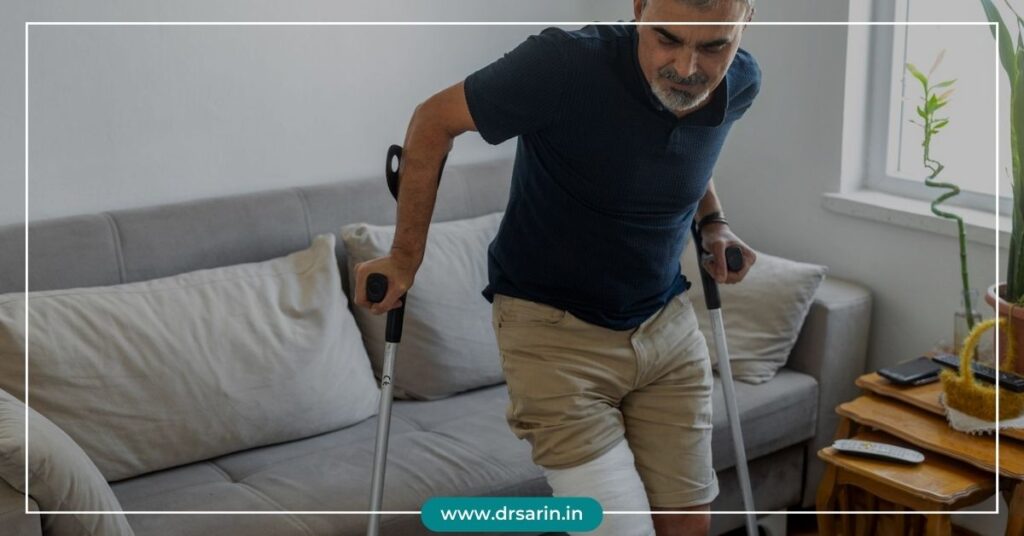
Returning to work and resuming daily life after limb-lengthening surgery can be gradual but rewarding. This transformative procedure, often pursued by individuals seeking to address limb length discrepancies or achieve greater height, requires patience, dedication, and a comprehensive approach to rehabilitation. Understanding what to expect post-surgery and how to navigate the recovery period is crucial for a successful transition back to normalcy. Immediately following limb-lengthening surgery, the focus lies on managing pain and ensuring the surgical site’s proper healing. Patients typically spend a few days in the hospital under medical supervision before transitioning to at-home care. During this initial phase, rest and adherence to the prescribed medication and physical therapy regimen are paramount. Physical therapy plays a pivotal role in restoring mobility and strength as the weeks progress. Rehabilitation exercises are tailored to each patient’s specific needs, aiming to improve flexibility, regain muscle strength, and promote optimal function of the lengthened limb. Gradually, patients are encouraged to bear weight on the operated limb, initially with assistance and then independently, as their strength increases. Returning to work after limb lengthening surgery is a milestone that demands thoughtful planning and consideration. The timeline for resuming work activities varies for each individual. It is influenced by factors such as the job’s nature, the surgery’s extent, and the progress made during rehabilitation. Sedentary jobs allow for a swifter return, whereas physically demanding roles necessitate a more extended recovery period. Communication with employers is crucial to facilitate a smooth transition back to work. Discussing any necessary accommodations or modifications to workload or tasks can help create a supportive work environment conducive to the individual’s recovery. Some individuals may immediately return to work, starting with reduced hours or modified duties to ease back into their professional responsibilities. Adapting to daily life post-surgery involves physical adjustments and psychological and emotional adaptation. Patience and self-compassion are essential as individuals navigate the challenges of relearning daily activities and adjusting to the changes in their bodies. It’s essential to follow the medical team’s post-operative care guidelines diligently. Attending follow-up appointments, adhering to the prescribed exercises, and maintaining a positive mindset are crucial aspects of the recovery journey. In conclusion, Returning to work and daily life after limb lengthening surgery requires patience, perseverance, and a holistic approach to rehabilitation. With the guidance of healthcare professionals, a supportive environment, and dedication to the recovery process, individuals can gradually reintegrate into their routines, reclaiming their mobility and embracing the newfound possibilities the surgery brings. Also Read: Why do surgeons use an external fixator for limb lengthening procedures? Reasons Why People Get Cosmetic Leg-Lengthening Surgery Done Does Limb lengthening surgery have any downsides? Limb Lengthening History Understanding the Phases of Limb Lengthening with Dr. Sarin
Global Average Heights of Men and Women

Understanding the average heights of men and women globally provides insights into various health, nutrition, and socio-economic factors. Examining these averages across different regions and demographics reveals intriguing patterns and highlights the factors influencing human stature. Factors Influencing Height Disparities Several factors contribute to the variations in average heights observed globally. Genetics is crucial, as it dictates an individual’s potential height. However, environmental factors such as nutrition, healthcare, and socio-economic conditions also significantly impact height. Access to adequate nutrition during childhood and adolescence and proper healthcare play a pivotal role in reaching one’s genetic height potential. Regional Disparities and Trends Analyzing regional disparities in average heights unveils a diverse landscape. In some regions, socio-economic development and improved living standards have led to an overall increase in height. Conversely, areas facing challenges such as food insecurity or limited access to healthcare may experience stunted growth. Trends over time indicate that average heights have generally increased, a phenomenon known as the “secular trend.” This trend is attributed to improved living conditions, better healthcare, and enhanced nutrition. However, disparities persist, and understanding these variations is crucial for addressing health inequalities globally. Gender Differences in Height Averages On a global scale, men tend to be taller than women, and this height disparity results from genetic and hormonal factors. The average height for men and women can vary significantly from one region to another. While genetics play a role, societal expectations and cultural norms can also influence perceptions of height, impacting individuals’ experiences in different societies. Health Implications and Public Health Initiatives Height can serve as an indirect indicator of overall health and well-being. Malnutrition, inadequate healthcare, and socio-economic disparities can contribute to stunted growth, affecting individuals and communities. Public health initiatives aimed at improving nutrition, providing access to healthcare, and addressing socio-economic inequalities can positively impact average heights and promote overall health. Future Projections and Research Challenges As societies continue to evolve, so will the factors influencing average heights. Predicting future trends requires understanding the complex interplay between genetics, environment, and socio-economic factors. Ongoing research aims to unravel these complexities, offering valuable insights for public health strategies and policies. In conclusion, exploring the global average heights of men and women unveils a rich tapestry of factors influencing human stature. From genetics to socio-economic conditions, understanding these dynamics is essential for addressing health disparities and shaping effective public health interventions on a global scale. Also Read: Psychological effect of Leg Lengthening Surgery Common Myths about Limb Lengthening Surgery Ways to Increase Height After Puberty Genetic Influences on Height Can You Sprint After Leg Lengthening Surgery?
Causes, Diagnosis, and Treatment Options for Short Stature.

Short stature, often a source of concern for individuals and parents, can be attributed to various factors. Understanding the causes, diagnostic procedures, and available treatment options is crucial for informed decision-making. Explore the realms of short stature with a focus on diagnosis and treatment under the guidance of medical experts. Diagnosis of Short Stature Accurate diagnosis is the cornerstone of effective intervention. Medical professionals employ a comprehensive approach to evaluate individuals with short stature. Family history, growth patterns, and physical examinations are pivotal in determining the underlying cause. Advanced imaging techniques may also be utilized to gain a more in-depth understanding of bone and organ development. Causes of Short Stature Unravelling the mystery of short stature involves delving into its diverse causes. Driven by a commitment to provide clarity, medical experts categorize these causes into several key factors. Constitutional Growth Delay Some individuals experience a delay in their growth known as constitutional growth delay. This temporary lag in growth is often a variation of normal development; affected individuals eventually catch up in height during adolescence. Genetics Genetic factors can significantly influence stature. Inherited traits play a crucial role, with short stature often running in families. Understanding the genetic component is essential for both diagnosis and potential treatment strategies. Diseases Various medical conditions can contribute to short stature. Chronic illnesses affecting the endocrine system, such as growth hormone deficiency or thyroid disorders, may impede normal growth. Identifying and addressing these underlying diseases is crucial for effective management. Treatment Options for Short Stature The quest for optimal height often involves exploring viable treatment options. Medical professionals tailor interventions based on the underlying cause and individual needs. Limb Lengthening Surgery as an Alternative Treatment Limb lengthening surgery emerges as an alternative for those seeking a more proactive approach to increasing height. This intricate procedure involves gradually lengthening the bones through controlled fractures and external fixation devices. The decision to pursue limb lengthening surgery is highly individual and requires thoroughly considering potential risks and benefits. The Takeaway A nuanced understanding of causes, diagnostic processes, and available treatments is vital in navigating the realm of short stature. Seeking guidance from experienced healthcare professionals ensures a comprehensive approach, addressing the physical and emotional aspects of short stature. Whether opting for conservative measures or considering alternative treatments like limb lengthening surgery, informed decision-making remains key to achieving the best outcomes for individuals and their families. Consultation with medical experts specializing in growth disorders provides the necessary support and expertise to navigate this journey confidently. For more information or to schedule a consultation, please contact us via WhatsApp at +91 9810376803 or email us at amarsarin@hotmail.com. Also Read: Global Average Heights of Men and Women Psychological effect of Leg Lengthening Surgery Common Myths about Limb Lengthening Surgery Ways to Increase Height After Puberty Genetic Influences on Height
Ways to Increase Height After Puberty: Practical Methods for Growing Taller
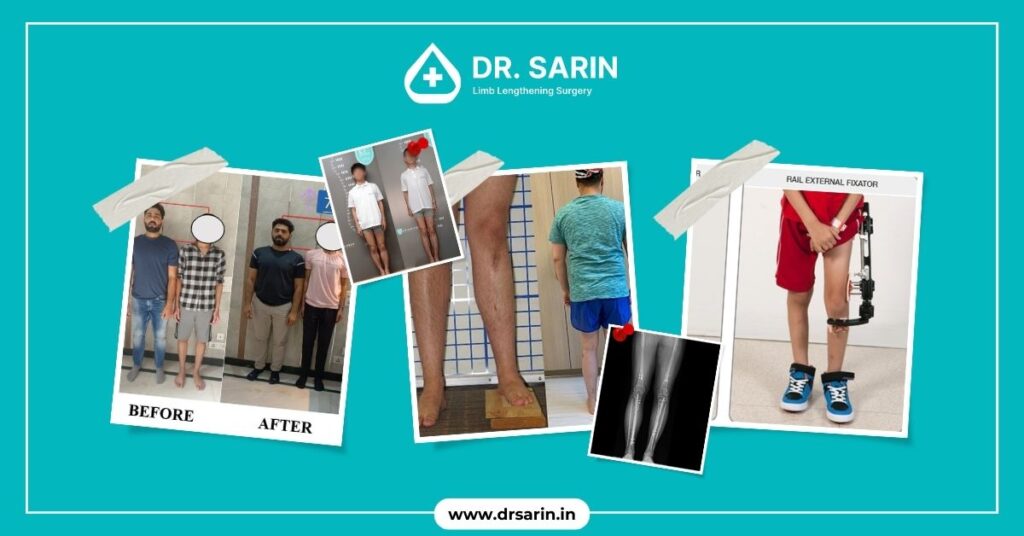
Many individuals wonder if it’s possible to increase height after puberty, and the answer is yes. While the growth plates close after puberty, there are still practical methods that may contribute to gaining some extra height. Understanding the science behind growth during childhood, key factors influencing height, and exploring both non-surgical and surgical options can provide insights into this intriguing pursuit. Understanding Growth During Childhood and Puberty Height growth during childhood and puberty is primarily regulated by growth plates, also known as epiphyseal plates. These plates, located at the ends of long bones, are responsible for bone lengthening. Puberty is marked by the closure of these plates, signaling the end of significant height growth. However, there are still ways to stimulate growth in other aspects. Key Factors Influencing Height Growth During Childhood and Puberty Nutrition, genetics, sleep, and physical activity are crucial in height development. A balanced diet rich in essential nutrients, proper rest, and regular exercise can optimize growth potential during the growing years. Understanding these factors can help in developing a holistic approach to height enhancement. Height Increase After Puberty: Understanding the Reality While height increase after puberty is limited, posture and spine health improvements can make a noticeable difference. Practices like yoga and stretching help elongate the spine, giving the illusion of added height. Maintaining a healthy lifestyle can also prevent bone density loss, ensuring bones remain strong and well-supported. Do Pills, Medications, and Supplements Help You Grow Taller? The Truth Revealed Many height-increasing supplements and medications are on the market, each claiming to be a miracle solution. However, the efficacy of these products still needs to be investigated. Most experts agree that the influence of these supplements on height is marginal at best. It is essential to approach such products cautiously and consult a healthcare professional before use. Limb Lengthening: A Permanent Solution For Height Increase After Puberty For those seeking a more drastic solution, limb lengthening surgery offers a permanent way to increase height. This procedure involves carefully breaking bones, followed by gradual distraction, allowing new bone to form and increase length. While effective, this surgery is invasive and comes with potential risks and a lengthy recovery period. Science Behind Limb Lengthening Surgery Limb lengthening surgery relies on the body’s natural healing process. By creating controlled fractures in the bones and gradually separating them, the body responds by generating new bone tissue. This innovative medical procedure has succeeded in increasing height, particularly in cases where other methods have proven ineffective. Age Considerations For Height Surgery Limb lengthening surgery is typically performed on individuals who have stopped growing naturally. Age considerations are crucial, and surgeons evaluate bone maturity before recommending the procedure. While it’s a viable option for some, the decision to undergo limb lengthening should be made after carefully considering potential risks and benefits. In conclusion, increasing height after puberty involves a combination of lifestyle factors, non-surgical methods, and, in extreme cases, surgical interventions. Understanding the science behind height growth and exploring practical options can empower individuals determined to add a few extra inches to their stature. Also Read: Genetic Influences on Height Can You Sprint After Leg Lengthening Surgery? Long-term Effects Of Limb Lengthening Surgery Dos and Don’ts Of Exercise and Physical Activity Following Limb Lengthening Surgery Bone Recovery Post Limb Lengthening Surgery with Nutrition and Supplements