
The Science Behind Height Lengthening
Height lengthening, once thought to be solely determined by genetics, is now possible through advancements in medical science. Understanding the intricate processes involved sheds light on how individuals can achieve their desired height. Let’s delve into the science behind height lengthening, focusing on critical procedures and phases. 1. Osteotomy and Implant Osteotomy, a surgical procedure involving the cutting and reshaping of bone, is a crucial step in height lengthening. During this procedure, surgeons strategically make incisions in the bone to alter its shape and length. In some cases, implants made of biocompatible materials are inserted to provide structural support and facilitate bone growth. These implants play a pivotal role in achieving the desired increase in height. 2. Distraction Phase The distraction phase is fundamental to height-lengthening procedures such as limb lengthening. This phase involves gradually separating the bone segments created during osteotomy to stimulate new bone growth. External fixation devices, such as Ilizarov frames or Taylor Spatial Frames, often stretch the bone segments apart gradually. Patients undergo regular adjustments to the fixation device, incrementally increasing the distance between bone fragments over several weeks or months. 3. Consolidation Phase Following the distraction phase, the consolidation phase begins. During this stage, new bone tissue forms in the gap created by the distraction process. Patients must adhere to a strict physical therapy regimen and rehabilitation to promote bone healing and prevent complications. The consolidation phase may last several months when the bone gradually strengthens and stabilizes. Height-lengthening procedures require meticulous planning, precise surgical techniques, and dedicated post-operative care to ensure optimal outcomes. While these procedures offer the possibility of significant height gains, they also carry risks and potential complications. It is essential for individuals considering height lengthening to consult with qualified medical professionals and weigh the benefits and risks carefully. The science behind height lengthening involves sophisticated surgical techniques and a deep understanding of bone biology. Osteotomy, distraction, and consolidation phases are integral components of height-lengthening procedures, each playing a vital role in achieving the desired increase in height. With advancements in medical science and technology, height lengthening has become a viable option for individuals seeking to improve their stature and overall confidence. You May Also Like to Read: Preparing for a Successful Limb Lengthening Surgery and a Healthy Recovery Doctor says leg-lengthening surgery is increasingly popular among men who wish to be taller Benefits of Limb Lengthening Surgery by Dr Sarin How is leg lengthening different from arm lengthening? What types of devices are used for limb lengthening?
Medical Lengthening
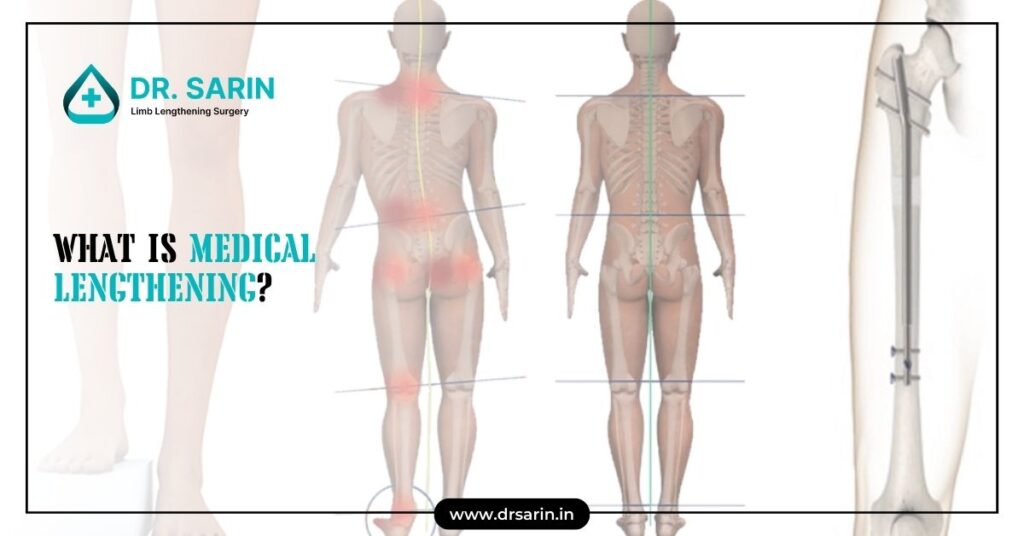
What is Medical Lengthening? Medical lengthening, often referred to as limb lengthening, is a surgical procedure aimed at increasing the length of bones in the limbs. This process is typically used to treat discrepancies in limb length caused by congenital conditions, injuries, or diseases. The procedure involves the use of an external fixator, such as the Ilizarov apparatus, or an internal device that gradually separates the bone segments, allowing new bone tissue to form and fill in the gap. Medical Necessity Medical lengthening is performed for several medically necessary reasons: Evaluation and Treatment Decisions The decision to proceed with medical lengthening involves a comprehensive evaluation: Acceptance within the Medical Community Limb-lengthening procedures have gained acceptance within the medical community due to advancements in surgical techniques and technology. The Ilizarov method, developed in the 1950s, revolutionized limb lengthening and has since been widely adopted. Modern techniques, such as the PRECICE nail, allow for more controlled and less invasive lengthening processes. Research and clinical outcomes support the efficacy and safety of these procedures when performed by experienced surgeons. Risks and Potential Complications As with any surgical procedure, medical lengthening carries risks and potential complications: Conclusion Medical lengthening is a critical procedure for addressing significant limb length discrepancies and improving patient function and quality of life. While it involves considerable commitment and carries risks, advancements in surgical techniques and comprehensive care have made it a viable option for many patients. Thorough evaluation and a multidisciplinary approach are essential to ensure the best outcomes. Also Read: Surgical Skin Preparation for Limb Lengthening Surgery Indications for Limb Lengthening Available Methods Of Limb Lengthening Poliomyelitis Treatment with leg lengthening ilizarov method Can Height Be Increased after 21?
How Your Height Can Impact Your Health

Height is often seen as a genetic trait that primarily influences physical appearance but can also significantly affect overall health. From cardiovascular health to mental well-being, height can be crucial in various aspects of your life. Let’s delve into how height can impact your health, including insights into height lengthening surgery. Physical Health Your physical health is closely linked to your height in numerous ways. Taller individuals often experience different health benefits and challenges compared to shorter individuals. Cardiovascular Advantages of Being Tall Height can influence cardiovascular health in several ways. Studies have shown that taller individuals may have a lower risk of certain cardiovascular diseases. This can be attributed to: However, it’s essential to note that while being tall may offer some cardiovascular advantages, lifestyle factors such as diet, exercise, and smoking play a more significant role in heart health. Respiratory System Height can also impact the respiratory system. The structure and function of the lungs can vary with height, influencing respiratory efficiency. Pros of Height on the Respiratory System Taller individuals often have larger lung volumes, which can be beneficial for respiratory health: However, taller individuals are also at a higher risk for conditions like asthma. It’s essential to monitor respiratory health regularly, regardless of height. Musculoskeletal System The musculoskeletal system, comprising bones, muscles, and joints, is significantly influenced by height. Taller individuals may face unique challenges and benefits in this area. Mental Health Height can also affect mental health and psychological well-being. Societal perceptions and personal self-esteem can be influenced by height. Surgery For individuals concerned about their height, this surgery offers a potential solution. This surgical procedure involves lengthening the bones in the legs, which can increase height. Conclusion Height can multifaceted impact your health, affecting physical, cardiovascular, respiratory, musculoskeletal, and mental well-being. Understanding these implications can help you make informed decisions about your health and lifestyle. Consulting with medical professionals is important for those considering surgery to thoroughly understand the procedure and its potential benefits and risks. Adopting a healthy lifestyle and proactive health measures can significantly contribute to overall well-being regardless of height. Also Read: Extramedullary Internal Limb Lengthening Average Height In USA 2025 Height Growth Plates: When Do Growth Plates Close? Medical Lengthening Surgical Skin Preparation for Limb Lengthening Surgery
Hip Replacement Surgery
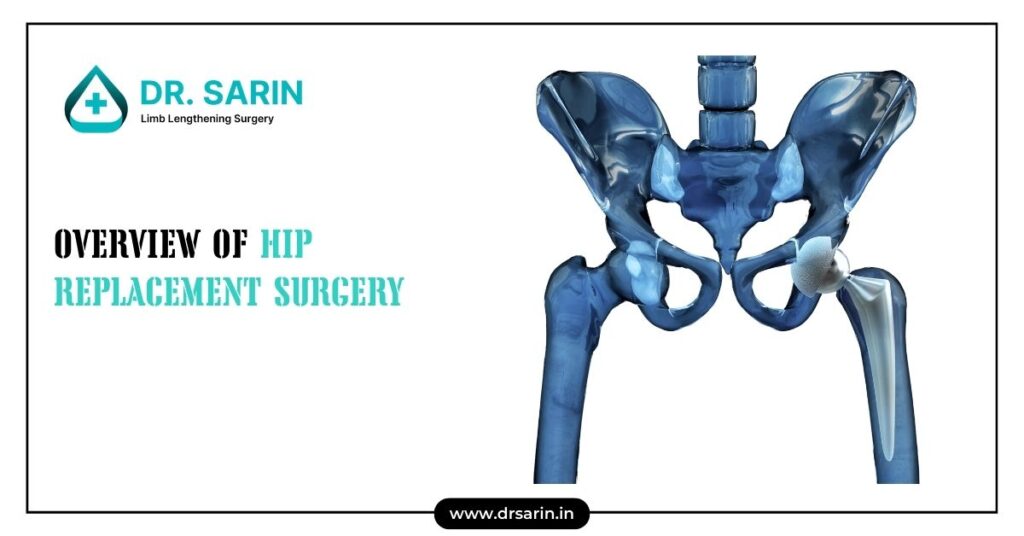
Hip replacement surgery, also known as hip arthroplasty, is a common procedure aimed at relieving hip pain and improving joint function. This surgery involves removing the damaged sections of the hip joint and replacing them with artificial components, typically made from metal, plastic, or ceramic materials. Hip replacement is generally considered for individuals suffering from severe arthritis, hip fractures, or other degenerative joint conditions that affect their mobility and quality of life. By restoring the function of the hip joint, this surgery can allow patients to return to their everyday activities and significantly reduce their pain levels. There are two primary types of hip replacement surgeries: total hip replacement (THR) and partial hip replacement. In a total hip replacement, both the ball (femoral head) and the socket (acetabulum) of the hip joint are replaced. Partial hip replacement typically involves replacing only the femoral head. The choice between these procedures depends on the extent of damage to the hip joint, the patient’s age, overall health, and activity level. Why is Hip Replacement Surgery Needed? Hip replacement surgery is typically recommended for individuals who experience chronic hip pain and limited mobility that doesn’t improve with non-surgical treatments such as physical therapy, medications, or injections. The most common reason for needing hip replacement is osteoarthritis, a degenerative joint disease that wears down the cartilage between bones, leading to pain and stiffness. Other conditions that may necessitate hip replacement include rheumatoid arthritis, hip fractures, avascular necrosis (a condition where the blood supply to the bone is reduced, causing the bone to die), and developmental hip dysplasia. For many patients, hip pain can significantly interfere with daily activities such as walking, climbing stairs, and even resting. When hip joint deterioration begins to affect sleep, work, or basic movements, hip replacement surgery can offer a long-term solution. The surgery is designed to alleviate pain, restore range of motion, and improve overall function, allowing patients to lead a more active lifestyle. Preparing for Hip Replacement Surgery Preparation is a key factor in ensuring a successful hip replacement surgery and smooth recovery. Before the surgery, patients will undergo a thorough medical evaluation, which includes blood tests, X-rays, and a physical examination to ensure they are fit for the procedure. The surgeon may also suggest losing weight, quitting smoking, or engaging in a preoperative exercise regimen to improve overall health and muscle strength. This preparation can help to optimize the outcome of the surgery. Patients should inform their medical team of any medications they are taking, as some drugs may need to be paused or adjusted before the surgery. Additionally, preparing the home environment for post-surgery recovery is important. Patients may need to arrange for assistive devices such as crutches, walkers, or grab bars in the bathroom. It’s also advisable to have a support system in place, as some assistance will be required for daily tasks during the initial recovery period. What to Expect During Hip Replacement Surgery During hip replacement surgery, patients are typically placed under general anesthesia, though in some cases, spinal or epidural anesthesia may be used. The surgery usually takes about 1-2 hours. In a standard procedure, the surgeon makes an incision over the hip and carefully removes the damaged bone and cartilage. The artificial joint components (prostheses) are then inserted to replicate the movement of a healthy hip joint. Depending on the type of surgery and the surgeon’s preference, either cemented or uncemented prosthetics may be used. Minimally invasive techniques, which involve smaller incisions and less muscle disruption, have become more common and may result in quicker recovery times. After the surgery, patients will be moved to a recovery room where their vital signs are monitored. Most patients stay in the hospital for 1-3 days, but the recovery time varies depending on the individual’s overall health and the complexity of the surgery. In the days following surgery, physical therapy will begin to help patients regain strength and mobility. Although full recovery can take several months, most patients experience significant pain relief and improved joint function within a few weeks of surgery. With proper care, a hip replacement can last 15-20 years, allowing individuals to enjoy a better quality of life for years to come. You May Also Like to Read: Factors That Can Influence the Price of Limb Lengthening Surgery in India Difference in Upper Extremity Limb Length How Your Height Can Impact Your Health Extramedullary Internal Limb Lengthening Average Height In USA 2025
Height Growth Plates: When Do Growth Plates Close?
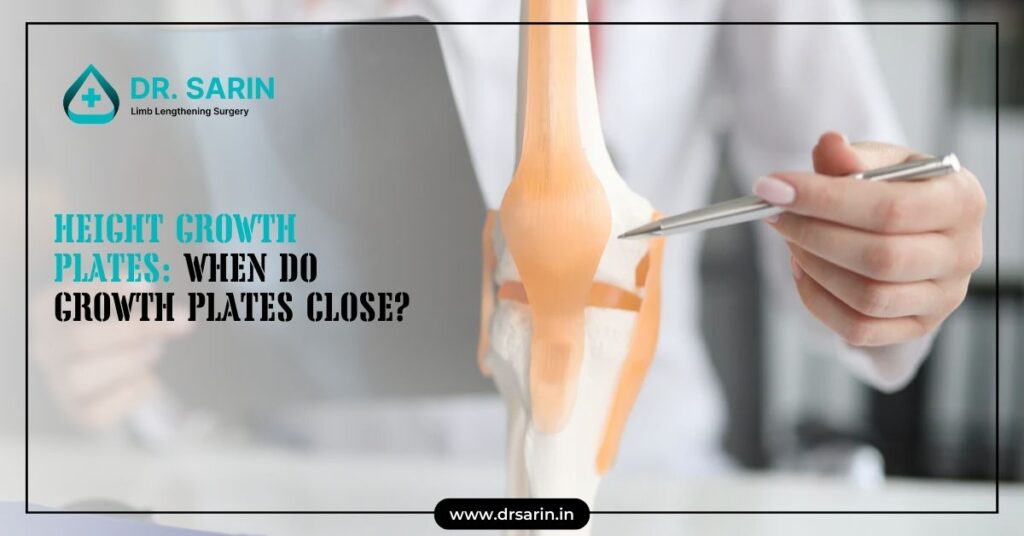
Growth or epiphyseal plates are areas of developing cartilage tissue near the ends of long bones. They are crucial during the growth and development phase as they determine the future length and shape of the mature bone. Understanding how growth plates work and when they close can provide insight into height growth and the potential for height increase after they have closed. Here’s How Growth Plates Work and Their General Importance During the Period of Height Increase: Growth plates are the last portion of bones to harden (ossify). As a person grows, these plates produce new bone tissue, contributing to the lengthening of bones and, consequently, a person’s overall height. Various factors, including genetics, nutrition, and hormonal levels, regulate the process. Growth plates are found in both boys and girls, but they close at different times depending on sex and individual development rates. Do Growth Plates Reopen? Once growth plates close, they do not reopen. The closure of growth plates signifies the end of height growth. This typically occurs after puberty when the levels of growth hormones decrease and the plates undergo ossification, turning into solid bone. For girls, this usually happens between ages 14 to 16, while for boys, it is around 16 to 18 years old, though it can vary based on individual differences. When Do We Know The Growth Plate Has Closed? Determining if growth plates have closed involves medical imaging, such as X-rays. A doctor can examine the growth plates in the body’s long bones (such as the femur or tibia) to see if they have ossified. When the growth plates appear as solid bone on an X-ray, they have closed. Physical indicators, such as the cessation of height increase over time, also suggest that growth plates may have closed. What Can Be Done to Increase Height After the Closure of Growth Plates? Once growth plates close, traditional methods of increasing height are no longer effective. However, several approaches can help optimize posture and give the appearance of added height: 1. Nutrition and Exercise: 2. Posture Improvement: 3. Orthopaedic and Surgical Methods: 4. Footwear: While height is primarily determined by genetics and the closure of growth plates, maintaining a healthy lifestyle and good posture can contribute to the best possible presentation of one’s height. Understanding growth plates and their function is essential for anyone looking to maximize their height potential or understand their growth patterns. Once the growth plates close, height increase through natural means becomes impossible, and any interventions should be considered with careful thought and professional guidance. Also Read: Medical Lengthening Surgical Skin Preparation for Limb Lengthening Surgery Indications for Limb Lengthening Available Methods Of Limb Lengthening Poliomyelitis Treatment with leg lengthening ilizarov method
Indications for Limb Lengthening
Limb lengthening is a surgical procedure designed to correct discrepancies in limb length, restore normal function, and improve the quality of life for patients with various underlying conditions. This advanced orthopedic technique gradually stretches bone and surrounding tissues to achieve the desired length. Here are some of the primary indications for limb lengthening: Growth Plate Injuries Growth plate injuries, also known as physical injuries, can occur in children and adolescents and can lead to premature closure of the growth plate. This premature closure can result in a significant discrepancy in limb length as the unaffected limb usually grows. Limb lengthening can correct this disparity, ensuring that both limbs are of equal length and preventing associated functional impairments. Bone Infections Resulting in Leg Length Variations Severe bone infections, such as osteomyelitis, can damage bone tissue and affect the average growth of bones in children. When an infection causes part of the bone to stop growing, it can lead to leg length discrepancies. Limb lengthening surgery can help restore balance by lengthening the affected limb to match the length of the unaffected limb, thus improving overall mobility and function. Broken Bones Followed by Trauma Traumatic injuries that result in fractures can sometimes heal improperly, leading to discrepancies in limb length. This can occur when a fracture heals in a shortened position or when there is significant bone loss. Limb lengthening can correct these discrepancies by gradually stretching the shortened bone to achieve the desired length, ensuring proper alignment and function of the limb. Replacement of Missing Bone After the Surgical Removal of Bone Tumor and Fracture The surgical removal of bone tumors or treatment of severe fractures may necessitate the removal of a section of bone, resulting in a limb length discrepancy. Limb lengthening procedures can regenerate the missing bone and restore the affected limb to its average length. This process involves using specialized devices, such as the Ilizarov apparatus, to extend the bone gradually. Increasing the Stature in Dwarfs by Lengthening Both Legs For individuals with certain types of dwarfism, limb lengthening surgery can increase overall height and improve functional capabilities. This involves lengthening both legs to achieve a more proportional stature. The procedure is typically performed in stages and requires a comprehensive rehabilitation program to ensure successful outcomes and minimize complications. Conclusion Limb lengthening is a versatile and effective surgical technique to address various conditions resulting in limb length discrepancies. Whether caused by growth plate injuries, bone infections, traumatic fractures, or the need for bone replacement following tumor removal, limb lengthening can restore balance, function, and quality of life for affected individuals. Additionally, it offers a viable option for increasing stature in individuals with dwarfism. As with any surgical procedure, a thorough evaluation by an experienced orthopedic surgeon is essential to determine the appropriate indication and ensure the best possible outcome for each patient. Also Read: Available Methods Of Limb Lengthening Poliomyelitis Treatment with leg lengthening ilizarov method Can Height Be Increased after 21? Average Height For A Man In India 2025 Are there any height increase pills to foster height growth?
Surgical Skin Preparation for Limb Lengthening Surgery

Why Is Surgical Skin Preparation Important? Surgical skin preparation removes dirt, oil, and microorganisms from the skin’s surface. This process reduces the risk of postoperative infections, which can complicate recovery and affect the overall success of the surgery. Limb lengthening procedures often involve external fixators or internal devices and require meticulous skin preparation to prevent complications. Steps in Surgical Skin Preparation Special Considerations for Surgery Conclusion Adequate surgical skin preparation is a critical component of limb lengthening surgery, directly impacting the success of the procedure and the prevention of postoperative infections. By following a systematic approach to skin preparation, including thorough cleaning, antiseptic application, and sterile draping, surgical teams can create an optimal environment for safe and successful limb-lengthening surgery. Proper patient education and adherence to postoperative care instructions enhance overall outcomes and support a smooth recovery process. Also Read: Indications for Limb Lengthening Available Methods Of Limb Lengthening Poliomyelitis Treatment with leg lengthening ilizarov method Can Height Be Increased after 21? Average Height For A Man In India 2025
Difference in Upper Extremity Limb Length

The upper extremity, comprising the arm, forearm, and hand, is a complex structure that facilitates a wide range of motions and functions. The skeletal anatomy includes the humerus, radius, and ulna, which are supported by a network of muscles, tendons, ligaments, and nerves. Proper alignment and length of these bones are crucial for optimal function and symmetry. Description Upper extremity limb length discrepancy (UELLD) refers to a condition where there is a noticeable difference in the length of the arms. This disparity can impact both cosmetic appearance and functional abilities, leading to challenges in performing daily activities. The discrepancy may be mild or severe, and its impact on the individual can vary widely. Accurate diagnosis and appropriate treatment are essential for managing the condition effectively. Cause Congenital Upper Limb Length Discrepancy Congenital UELLD is present at birth and can result from a variety of factors, including genetic mutations, developmental disturbances, or conditions affecting fetal growth. Common congenital conditions associated with UELLD include: Fibular Hemimelia: A rare congenital condition where part or all of the fibula bone is missing. Amniotic Band Syndrome: A condition caused by entanglement of the fetal limbs in fibrous amniotic bands, leading to restricted growth and development. Radial Club Hand: A condition characterized by the underdevelopment or absence of the radius bone, resulting in a shorter forearm. Congenital UELLD is often detected early in life, allowing for timely intervention and management. Acquired Limb Length Discrepancy Acquired UELLD develops after birth due to various factors, such as trauma, infection, or medical conditions. Common causes include: Trauma: Fractures or injuries to the growth plates in children can disrupt normal bone growth, leading to length discrepancies. Severe fractures may require surgical intervention to restore limb length and function. Infections: Bone infections (osteomyelitis) can damage growth plates or bone tissue, leading to discrepancies in limb length. Tumors: Both benign and malignant bone tumors can affect bone growth and development, resulting in length discrepancies. Neurological Conditions: Conditions like cerebral palsy can lead to muscle imbalances and skeletal deformities, contributing to UELLD. Symptoms The symptoms of UELLD can vary based on the severity of the discrepancy and the underlying cause. Common symptoms include: Visible Difference in Arm Length: One arm may appear noticeably shorter or longer than the other. Functional Limitations: Difficulty in performing tasks that require symmetrical arm movement, such as lifting, carrying, or reaching. Musculoskeletal Pain: Discrepancies in limb length can lead to compensatory movements and postural imbalances, causing pain in the shoulders, back, or neck. Asymmetrical Muscle Development: The shorter limb may develop differently in terms of muscle mass and strength compared to the longer limb. Psychosocial Impact: Visible limb length discrepancies can affect self-esteem and body image, particularly in children and adolescents. Diagnosis and Treatment Diagnosis of UELLD typically involves a thorough clinical examination, medical history review, and imaging studies such as X-rays or MRI scans to determine the extent and cause of the discrepancy. Treatment options depend on the severity of the condition and may include: Non-Surgical Management: For mild discrepancies, non-surgical approaches such as physical therapy, orthotics, and shoe lifts can help manage symptoms and improve function. Surgical Intervention: In cases of severe UELLD, surgical procedures like limb lengthening, bone grafting, or corrective osteotomies may be necessary to restore symmetry and function. Early diagnosis and intervention are crucial in managing UELLD effectively, minimizing complications, and improving the quality of life for affected individuals. Also Read: How Your Height Can Impact Your Health Extramedullary Internal Limb Lengthening Average Height In USA 2025 Height Growth Plates: When Do Growth Plates Close? Medical Lengthening
How Much Height Can You Gain Safely with Limb Lengthening?
The surgery has become famous for those looking to increase their height. This procedure involves surgically lengthening the bones in the legs, allowing individuals to grow taller over time. But how much height can you safely gain through this process? It can typically add 2 to 3 inches (5 to 8 cm) of height in one procedure. However, with multiple surgeries, some people have achieved an increase of up to 6 inches (15 cm). It’s important to note that the height gained depends on the patient’s body and bone health. Height increase surgery is a complex procedure that requires significant recovery time. The process involves gradually stretching the bones using an external device, encouraging bone growth. While surgery is generally safe when performed by a qualified surgeon, patients must be mindful of potential risks, such as infection, nerve damage, or prolonged recovery. Limb surgery can be a safe and effective way to increase height, with typical gains ranging from 2 to 6 inches. Consulting with a surgeon and understanding the potential risks are essential steps for anyone considering this procedure. You May Also Like to Read: Indian children may no longer outgrow parents What’s The Average Height Per Country? Psychological Impact Of Limb-Lengthening Surgery Hip Replacement Surgery Factors That Can Influence the Price of Limb Lengthening Surgery in India
Factors That Can Influence the Price of Limb Lengthening Surgery in India

Limb lengthening surgery is a complex procedure that involves the gradual extension of bones to correct discrepancies or enhance height. In India, the cost of this surgery can vary significantly due to several factors. Understanding these factors can help patients and their families make informed decisions when planning for the procedure. Here’s a breakdown of the key elements that can influence the price of limb lengthening surgery in India. Hospital Reputation and Infrastructure The reputation and infrastructure of the hospital where the surgery is performed are major factors influencing the cost. Hospitals with advanced technology, state-of-the-art equipment, and a strong track record of successful outcomes tend to charge higher fees. Moreover, well-established hospitals often provide better post-operative care, which is crucial for a procedure as delicate as limb lengthening. The Expertise and Experience of Medical Professionals The surgeon’s expertise and experience are critical determinants of the surgery’s cost. Surgeons with extensive experience and specialization in limb lengthening procedures often charge higher fees due to their proven track record and the complexity of the surgery. Additionally, the involvement of a skilled surgical team, including anesthetists and physiotherapists, also adds to the overall cost. The Type and Frequency of Diagnostic Procedures Before the surgery, patients undergo various diagnostic tests such as X-rays, MRIs, and blood tests to assess their suitability for the procedure and plan the surgery. The type and frequency of these diagnostic procedures can significantly impact the overall cost. Advanced imaging techniques or repeated tests to monitor progress during the treatment phase can increase expenses. The Choice of Treatment Modality Limb lengthening can be performed using different techniques, such as the Ilizarov method, intramedullary nails, or external fixators. The choice of treatment modality greatly affects the cost of the surgery. Some methods require more advanced equipment and longer hospital stays, which can drive up the price. The complexity of the chosen technique also influences the length of recovery and the need for follow-up procedures, adding to the overall cost. Medication Costs Medication is an essential part of the limb lengthening process, both pre- and post-surgery. The cost of pain management, antibiotics, and other necessary drugs can vary depending on the brand, dosage, and duration of treatment. High-quality medications, often prescribed to ensure a smoother recovery and minimize the risk of complications, can increase the overall cost of the surgery. Duration of Treatment The duration of the treatment process, which includes both the surgery and the post-operative recovery period, can affect the overall cost. Limb lengthening is a gradual process that can take several months to complete, especially during the bone consolidation phase. Prolonged treatment may lead to additional hospital visits, follow-up consultations, and extended use of medical devices, all contributing to higher expenses. Geographical Location The geographical location of the hospital also plays a significant role in determining the cost of limb lengthening surgery. Hospitals in metropolitan cities like Delhi, Mumbai, or Bangalore tend to charge more due to higher operational costs, demand for specialized medical services, and access to advanced technology. In contrast, hospitals in smaller cities or towns might offer the procedure at a lower cost, albeit with potentially limited resources or less experienced medical professionals. Hospitalization Expenses Hospitalization expenses, including room charges, nursing care, and other in-hospital services, can add substantially to the overall cost of the surgery. Private rooms, luxury amenities, and extended stays can significantly increase hospitalization costs. Patients should consider these factors when choosing their hospital, as a comfortable and supportive environment is essential for recovery but can also raise the cost. Government Policies and Subsidies Government policies and subsidies can sometimes influence the cost of limb lengthening surgery in India. In some cases, government hospitals or schemes may offer the surgery at a subsidized rate for eligible patients. However, these options might come with longer waiting periods or limited access to advanced treatment modalities. Understanding available government support can help in reducing the financial burden of the surgery. Medical Tourism Packages India is a popular destination for medical tourism, and many hospitals offer comprehensive packages that include surgery, accommodation, transportation, and post-operative care. These packages can be cost-effective for international patients seeking high-quality medical care at a lower cost compared to their home countries. However, the overall price of such packages can vary based on the inclusions, the hospital’s reputation, and the level of care provided. When considering limb lengthening surgery in India, it’s essential to take into account these various factors that can influence the overall cost. By carefully evaluating the hospital, medical professionals, treatment modalities, and additional expenses, patients can make informed decisions that align with their budget and healthcare needs. Also Read: Difference in Upper Extremity Limb Length How Your Height Can Impact Your Health Extramedullary Internal Limb Lengthening Average Height In USA 2025 Height Growth Plates: When Do Growth Plates Close?