
Benefits of Limb Lengthening Surgery by Dr Sarin
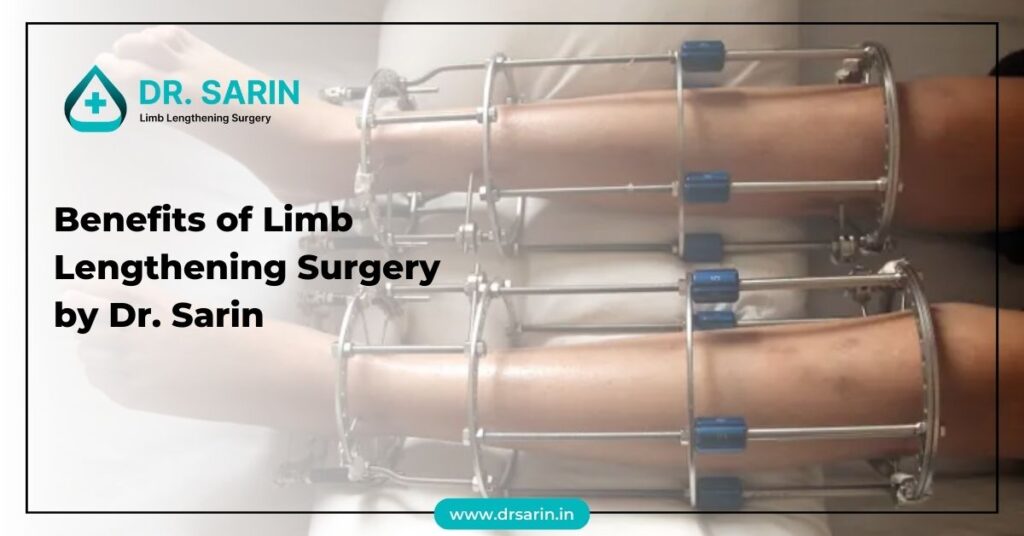
Limb lengthening surgery, a procedure designed to increase the length of limbs, offers hope and improved quality of life for individuals with limb length discrepancies or short stature. Dr. Sarin, a renowned orthopedic surgeon, specializes in limb-lengthening surgeries and provides exceptional care to his patients. Here are the top benefits of choosing Dr. Sarin for limb-lengthening surgery: Top Reasons Why Dr. Sarin Is Favorable For Limb Lengthening? 1. Cost-effective Treatment Dr. Sarin understands the financial burden that medical procedures can impose on patients and their families. Therefore, he strives to offer cost-effective treatment options for surgery without compromising on quality or safety. By providing transparent pricing and exploring various payment plans, Dr. Sarin ensures that his patients can access the care they need without undue financial stress. 2. Accredited Hospitals With Modern Equipment Dr. Sarin performs limb-lengthening surgeries at accredited hospitals equipped with state-of-the-art facilities and advanced medical technology. These hospitals adhere to stringent safety standards and protocols, ensuring the highest level of patient care and comfort throughout the surgical process. With access to modern equipment and resources, Dr. Sarin can deliver optimal surgical outcomes and minimize the risk of complications. 3. Experienced Medical Professionals As a highly experienced orthopedic surgeon specializing in limb lengthening surgeries, Dr. Sarin brings years of expertise and skill to his practice. He is dedicated to staying at the forefront of advancements in limb-lengthening techniques and technologies, allowing him to provide innovative and personalized treatment solutions for his patients. Dr. Sarin’s commitment to excellence and continuous learning ensures that his patients receive the highest standard of care throughout their treatment journey. 4. Reputation for Success Dr. Sarin has earned a stellar reputation for his exceptional surgical skills and successful outcomes in limb-lengthening surgery. His track record of delivering positive results and improving the lives of his patients speaks volumes about his expertise and dedication to excellence. Patients can trust Dr. Sarin to prioritize their well-being and work tirelessly to achieve their desired outcomes, enhancing their confidence and quality of life. 5. Routine Inspections by the International Medical Association Dr. Sarin’s commitment to maintaining the highest standards of patient care and safety is further demonstrated by routine inspections and accreditation by the International Medical Association. These inspections ensure that Dr. Sarin’s practice adheres to strict guidelines and protocols, providing patients with peace of mind and confidence in the quality of care they receive. By undergoing regular evaluations and assessments, Dr. Sarin continually demonstrates his commitment to excellence and patient satisfaction. Choosing Dr. Sarin offers numerous benefits, including cost-effective treatment options, access to accredited hospitals with modern equipment, experienced medical professionals, a reputation for success, and routine inspections by the International Medical Association. With Dr. Sarin’s expertise and dedication to excellence, patients can trust that they are in capable hands and on the path to achieving their desired outcomes in limb lengthening surgery. Also Read: How is leg lengthening different from arm lengthening? What types of devices are used for limb lengthening? Internal Lengthening Device for Limb Lengthening Surgery Consultation, Travel Arrangements, and Preparatory Guidelines for Limb Lengthening Surgery Selecting the Ideal Limb Lengthening Approach: Comparing Femur and Tibia Lengthening
Best Diet for Bone Healing After Limb Lengthening | Top 10 Foods & Expert Advice

A successful limb lengthening surgery isn’t just about the operation-it’s also about what happens afterward. One of the most underrated yet powerful aspects of recovery is your diet. What you eat can significantly speed up healing, strengthen your bones, and reduce complications. At our clinic, we don’t just perform the surgery-we guide you through a complete bone-healing nutrition plan. Why Nutrition Is Crucial During Bone Healing? Bone growth after limb lengthening depends on osteogenesis, a biological process requiring energy, protein, and minerals. A lack of critical nutrients like calcium, vitamin D, or protein can delay healing or even lead to complications like weak bone consolidation or fractures. In short, the right diet is your internal support system for optimal bone health. Key Nutrients for Post-Surgical Bone Growth Here are the essential nutrients that form the building blocks of healthy new bone: Nutrient Function Calcium Key mineral in bone formation Vitamin D Helps absorb calcium into bones Protein Builds collagen and bone tissue Magnesium Supports calcium metabolism Phosphorus Combines with calcium in bone structure Vitamin K Helps bind calcium to bone matrix Zinc Stimulates bone-building enzymes Top 10 Bone-Healing Foods to Add to Your Diet Here’s what you should prioritize on your plate: Dairy products (milk, yogurt, cheese)- rich in calcium and protein Leafy greens (spinach, kale, broccoli)- magnesium, calcium, vitamin K Fatty fish (salmon, sardines)- vitamin D, omega-3s Eggs- complete protein and vitamin D Nuts & seeds (almonds, chia, sesame)- zinc and magnesium Beans & lentils- protein and plant-based phosphorus Bone broth- rich in collagen and amino acids Whole grains- magnesium and energy for cell regeneration Mushrooms- natural source of vitamin D Citrus fruits & berries- vitamin C for collagen formation What to Eat in Each Stage of Recovery Early Phase (0-4 weeks): Focus: reduce inflammation, provide soft proteins Eat: soups, stews, bone broth, smoothies, eggs, soft greens Middle Phase (1-3 months): Focus: support bone formation and muscle recovery Eat: grilled fish, lentils, nuts, grains, dairy Final Phase (3-6+ months): Focus: rebuild full strength and bone density Eat: high-protein meals, weight-friendly carbs, fresh produce Sample Meal Plan for Bone Recovery Meal Sample Breakfast Scrambled eggs, whole-grain toast, spinach smoothie Snack Yogurt with chia seeds and berries Lunch Grilled salmon, quinoa, broccoli Snack Handful of almonds and orange slices Dinner Bone broth soup, lentils, sweet potatoes Importance of Hydration and Collagen Hydration helps transport nutrients to healing tissues and keeps the joints lubricated. Collagen, the structural protein of bones, can be boosted through: Bone broth Collagen peptides Vitamin C-rich foods (supports collagen synthesis) Supplements We Recommend Post-Surgery Sometimes food alone may not meet your post-op needs. We often recommend: Calcium Citrate or Carbonate- for strong bone matrix Vitamin D3- 1000–2000 IU/day Magnesium & Zinc- to support metabolic processes Hydrolyzed Collagen Powder- especially during early healing Note: Always take supplements under medical supervision. Foods to Avoid During Bone Healing Avoid these to protect your bones: Sugary foods- hinder calcium absorption Soda & soft drinks- contain phosphorus, which can displace calcium Alcohol- slows bone repair Smoking- drastically reduces bone density and healing speed Too much salt- causes calcium loss via urine Patient Results from Nutritional Focus “I followed the clinic’s meal plan and took the recommended supplements. My X-rays showed strong callus formation within 4 weeks!” – Ayush, 26 “The bone broth and spinach shakes worked wonders. No complications and I’m already walking well.” – Kavita, 34 Tips for Vegetarians and Vegans Worried about a plant-based diet? Don’t be. Plant-based calcium: tofu, sesame, almonds Non-dairy protein: lentils, quinoa, chickpeas Vitamin D: mushrooms, fortified cereals Vegan collagen boosters: berries, citrus, zinc-rich veggies FAQs About Diet After Limb Lengthening Q1. How much protein do I need daily? Ans: Aim for 1.2-1.5 grams per kg of body weight. Q2. Can I take calcium and iron together? Ans: No. Take them separately to avoid absorption interference. Q3. Do I need vitamin D even in sunny climates? Ans: Yes-post-surgery needs may exceed natural synthesis. Q4. Is bone broth safe daily? Ans: Yes, it’s highly nutritious and supports collagen. Q5. Can supplements replace food? Ans: No-they’re only additions, not substitutes. Q6. Can I drink coffee during recovery? Ans: In moderation. Too much caffeine can leach calcium. Final Thoughts: Heal Faster by Eating Smarter A well-planned diet after limb lengthening surgery is a game changer and help you retun to work and sports after limb lengthen. We don’t just focus on your bones-we focus on your whole body. That’s why we offer nutritional guidance, meal planning tips, and supplement recommendations as part of your recovery journey. Stronger bones begin with smarter food choices. And we’re here to guide you every step of the way. You May Also Like to Read: Average Height of UK 2025 Height Increase Surgery Complications Exercise and Recovery After Limb Lengthening Surgery Psychological Impact of Lim Lengthening Surgery Complications in Limb Lengthening
Can I Still Run After Height Increase Surgery?
Yes, you can still run after height increase (limb lengthening) surgery, but only after a full recovery, which usually takes 6 to 12 months. With proper physiotherapy and rehabilitation, most patients regain normal mobility and can return to activities like jogging or running, though high-impact sports may require extra caution. For many individuals considering limb lengthening surgery, one of the most common concerns is whether they can continue leading an active lifestyle post-surgery. Running, walking, gym workouts, and even playing sports are essential parts of many lives, and this article breaks down what to expect after height increase surgery and how to safely return to running. Understanding Limb Lengthening Surgery Limb lengthening surgery is a complex orthopedic procedure that gradually increases bone length using advanced internal or external devices. Most commonly performed on the femur or tibia, the surgery involves cutting the bone and slowly separating it to allow new bone to form in the gap, a process known as distraction osteogenesis. While the surgery is effective in increasing height, it temporarily impacts mobility, muscle function, and overall biomechanics, which directly influences the ability to walk, jog, or run during the recovery period. The Recovery Timeline for Running Recovery from limb lengthening surgery typically occurs in several stages: Initial Healing Phase (0–3 months): Focus is on pain management, wound care, and limited mobility. Bone Consolidation Phase (3–6 months): Bone becomes stronger, and patients begin using assistive devices like walkers or crutches. Rehabilitation & Physiotherapy (6–12 months): Intensive physiotherapy helps rebuild strength, balance, coordination, and endurance. Return to Running (>12 months): With medical clearance, many patients can gradually return to low-impact jogging and later resume full running. The Role of Physiotherapy in Returning to Running A structured physiotherapy plan is crucial for regaining muscle flexibility, joint mobility, and gait balance. Therapists often incorporate: Stretching and strengthening exercises Gait training Balance and coordination drills Gradual weight-bearing activities These efforts ensure a smoother and safer return to running. Caution with High-Impact Sports While recreational running is usually possible post-surgery, contact sports or intense running (like marathons or sprints) may need extra care. Surgeons often recommend waiting until bone density and muscular strength are fully restored, sometimes 18 months post-op. Listening to your body, avoiding overexertion, and following professional guidance are key to avoiding injury. Tips for a Safe Comeback to Running Always get clearance from your orthopedic surgeon. Start with low-impact activities like swimming or cycling. Use proper running shoes with cushioning. Avoid uneven terrain in early stages. Follow up regularly for X-rays and assessments. Final Thoughts Height increase surgery doesn’t have to mean giving up your active lifestyle. With patience, commitment to physiotherapy, and ongoing support from your medical team, you can safely get back to running and even thrive in your post-surgery body. The journey may be long, but the results, both in height and mobility, can be life-changing. You May Also Like to Read: Why Height Increases Stop After 18? Height Increase Surgery Complications Pain Management After Limb Lengthening Surgery Exercise & Recovery After Limb Lengthening Surgery Limb Lengthening Surgery: How Much Height Can You Safely Gain?
Limb Lengthening Surgery | How Does It Work?
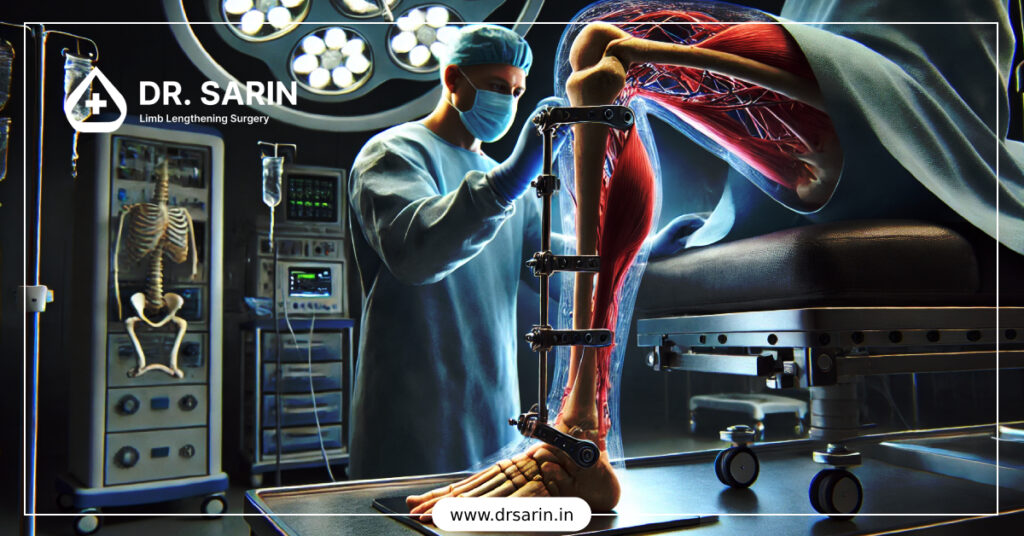
Limb lengthening surgery is a medical procedure designed to increase bone length, primarily in the legs. This surgery is commonly performed for individuals with limb length discrepancies, congenital deformities, or those seeking cosmetic height enhancement. Over the years, advancements in medical technology have made limb lengthening procedures safer and more effective. One of the leading experts in this field is Dr. Amar Sarin, a distinguished Orthopaedic Consultant specializing in Restorative and Reconstructive Surgery at Sri Balaji Action Medical Institute, New Delhi. With over 30 years of experience and 3,000+ successful surgeries, Dr. Sarin has pioneered advancements in Ilizarov surgery, Bone Transport, and Bone Remodelling. His contributions to orthopaedics, including introducing Resorbable Ankle Implants to India, have earned him significant recognition in Asia. Understanding Limb Lengthening Surgery Limb lengthening surgery involves gradual bone distraction, allowing new bone tissue to form and extend limb length. The procedure typically follows these stages: Initial Surgery – The bone (usually femur or tibia) is surgically cut (osteotomy). An external or internal device is attached to stabilize the bone. Distraction Phase – The bone segments are slowly pulled apart (about 1 mm per day), allowing new bone to grow in the gap. Consolidation Phase – The newly formed bone hardens and strengthens. Physical Therapy & Recovery – Strength-building exercises and rehabilitation ensure proper limb function and mobility. Common techniques used include the Ilizarov method (external fixator) and the Precice method (internal, motorized nail). The choice of technique depends on patient needs and the surgeon’s recommendation. Success Rate and Effectiveness Limb lengthening surgery has a high success rate, especially when performed by experienced specialists like Dr. Amar Sarin. The effectiveness of the procedure depends on: The patient’s age and bone healing capacity Adherence to post-operative care and physiotherapy Use of advanced surgical techniques (such as motorized nails, which reduce complications) On average, patients can achieve a height increase of 5-8 cm (2-3 inches) in one surgery. In some cases, multiple procedures can lead to gains of 12-15 cm (5-6 inches). Recovery Time and Post-Surgery Rehabilitation Recovery time varies based on individual healing speed and procedure type: Hospital stay: 3-5 days post-surgery Distraction phase: 2-3 months (bone lengthening at 1 mm per day) Consolidation phase: 4-6 months (bone hardening) Full recovery and normal walking: 8-12 months Physiotherapy is essential to prevent muscle stiffness, improve joint movement, and regain mobility. Potential Side Effects and Risks While limb lengthening surgery is generally safe, potential side effects include: Pain and swelling (managed with painkillers) Muscle tightness and stiffness Risk of infection (especially with external fixators) Delayed bone healing or improper alignment Nerve or blood vessel damage (rare but possible) Choosing an experienced surgeon like Dr. Amar Sarin minimizes these risks and ensures a smooth recovery process. Who Can Undergo Limb Lengthening Surgery? The ideal candidate for limb lengthening surgery: Is between 18-50 years old (younger patients heal faster) Has good bone health and overall fitness Understands the commitment required for recovery Does not have serious medical conditions affecting bone healing Consultation with an experienced orthopaedic specialist like Dr. Amar Sarin is crucial to determine eligibility. Limb Lengthening Surgery Before and After: Real Results Limb lengthening surgery has transformed the lives of many patients by enhancing their height, self-confidence, and overall quality of life. Several before-and-after case studies highlight successful height gains, functional recovery, and improved aesthetics. Dr. Amar Sarin has been featured in prominent media outlets for his remarkable work in limb lengthening and orthopaedic advancements. His patients consistently report high satisfaction rates and positive experiences. Frequently Asked Questions (FAQs) Q: What is the minimum and maximum age for limb lengthening surgery? A: The ideal age is 18-40 years, though cases beyond this range are assessed individually. Q: How painful is limb lengthening surgery? A: Pain is manageable with medications. Discomfort is highest during the distraction phase but reduces over time. Q: How many inches can you gain through height increase surgery? A: Typically, 5-8 cm (2-3 inches) per procedure, with a maximum of 15 cm (6 inches) in multiple surgeries. Q: Can both legs be lengthened at the same time? A: Yes, both legs undergo the procedure simultaneously for symmetry. Q: How long does it take to walk normally after surgery? A: Most patients regain full mobility within 8-12 months, with proper rehabilitation. Q: Are the results permanent? A: Yes, once the bone heals, the height increase is permanent. Q: Is limb lengthening surgery safe? A: When performed by skilled surgeons like Dr. Amar Sarin, the procedure is safe with minimal risks. Conclusion Limb lengthening surgery offers a life-changing opportunity for individuals looking to correct limb length discrepancies or increase their height. With advancements in surgical technology and expert care, this procedure is now safer and more effective than ever before. Choosing a highly experienced specialist like Dr. Amar Sarin ensures the best possible outcomes. With over 30 years of experience and 3,000+ successful surgeries, Dr. Sarin remains one of the most trusted names in limb lengthening and orthopaedic procedures in Asia. If you’re considering height increase surgery, consult with Dr. Amar Sarin to explore the best options for your needs and achieve safe, successful results.