
Should Limb Lengthening Surgery be left or Continued?

Limb lengthening surgery is a medical procedure that has gained attention for its potential to enhance the stature of individuals who desire it. Dr. Sarin, a renowned expert in the field, has been at the forefront of limb surgery, providing guidance to patients facing the critical decision of whether to continue or discontinue the procedure. The Controversy of Limb-Lengthening Surgery It is a complex and lengthy process that involves the gradual extension of the bones in the legs. While it can fulfil the aesthetic and psychological needs of some patients, it is not without controversy. Before making the decision to continue or halt limb-lengthening surgery, it’s crucial to consider several factors: 1. Medical Indications: Dr. Sarin emphasizes that limb surgery should primarily be considered for individuals with medical indications such as limb length discrepancies, dwarfism, or congenital conditions. It’s crucial to ensure that the procedure is medically warranted to minimize potential risks. 2. Psychological and Emotional Well-being: For some individuals, height plays a significant role in their self-esteem and confidence. Dr Sarin acknowledges the importance of addressing these emotional concerns but advises that patients should also seek psychological counselling to explore the underlying reasons for their desire to undergo the procedure. 3. Potential Risks and Complications: This surgery has risks. Patients must be aware of the potential complications, including infections, pain, and lengthy recovery periods. Dr. Sarin recommends thoroughly discussing these risks with a qualified medical professional before proceeding. 4. Patient Expectations: Dr. Sarin underscores the importance of setting realistic expectations. This surgery can add a few inches to a person’s height, but it is not a guarantee of transformational changes. Patients must have a clear understanding of what the procedure can and cannot achieve. 5. Ethical Considerations: Ethical concerns surround limb lengthening surgery, mainly when it is pursued solely for cosmetic reasons. Dr. Sarin encourages patients to reflect on their motivations and the ethical implications of their choices. In conclusion, the decision to continue or discontinue limb surgery is a deeply personal one, and it should be made with careful consideration of all factors involved. Dr. Sarin stresses the importance of seeking professional medical advice and psychological support throughout the decision-making process. While Limb Lengthening Surgery can be a viable option for some, it is crucial to prioritize the well-being and overall health of the individual. Ultimately, the choice should align with the patient’s physical and emotional needs while keeping safety and ethics at the forefront of the decision-making process. Also Read: Height Increase Surgery: Purpose, Procedure, and Benefits and Side Effects 5 Common Questions About Limb Lengthening What is Quadrilateral Lengthening? What is Quadrilateral Lengthening? Prejudice against Limb-Lengthening Surgery
Limb Lengthening History

The history of limb lengthening is a fascinating journey through medical innovation, perseverance, and the quest for enhancing the quality of life for individuals with limb length discrepancies or deformities. Let’s delve into the evolution of limb lengthening techniques and the milestones that have shaped this field. Ancient Beginnings: The roots of limb lengthening can be traced back to ancient civilizations. Historical records suggest that as early as the 8th century, methods such as traction and stretching were used in attempts to correct limb deformities. These early practices laid the foundation for the concept of gradual lengthening. Gavriil Ilizarov’s Groundbreaking Work: A major breakthrough in limb lengthening came in the mid-20th century with the pioneering work of Russian orthopedic surgeon Gavriil Ilizarov. In the 1950s, Ilizarov developed the Ilizarov apparatus, an external fixator that allowed controlled, gradual lengthening of bones. This revolutionary device transformed the field of orthopedics and became a cornerstone in limb lengthening procedures. Mechanical Advances: Advancements in the mechanical aspects of limb lengthening continued to evolve over the years. The introduction of motorized distraction devices in the late 20th century marked a significant improvement in the precision and ease of lengthening procedures. These devices allowed for more controlled adjustments and reduced the physical burden on patients. Modern Surgical Techniques: In the 21st century, limb lengthening procedures have become more sophisticated with the advent of minimally invasive surgical techniques. Precise imaging technologies, such as computerized tomography (CT) scans and magnetic resonance imaging (MRI), enable surgeons to plan and execute procedures with unprecedented accuracy. Distraction Osteogenesis in Orthopedics: Limb lengthening predominantly relies on a process known as distraction osteogenesis. This technique involves making a controlled osteotomy (bone cut) and gradually separating the bone fragments, stimulating new bone formation in the gap. It has proven effective in addressing various conditions, including congenital limb deficiencies, post-traumatic deformities, and discrepancies in leg lengths. Cosmetic Limb Lengthening: Beyond addressing medical conditions, limb lengthening has gained popularity for cosmetic purposes. In recent years, individuals seeking to enhance their height have undergone elective cosmetic limb lengthening procedures. This controversial practice has sparked ethical debates but highlights the versatility of limb lengthening techniques. The history of limb lengthening is a testament to the resilience of medical professionals in the face of challenges and their commitment to improving the lives of patients. From ancient methods to modern surgical innovations, this journey reflects the ever-evolving nature of medical science and the pursuit of solutions to enhance mobility and well-being. Also Read: Understanding the Phases of Limb Lengthening Bone Healing After Leg Lengthening Surgery Determining Age Limits for Leg Lengthening Surgery External Methods vs. Internal Methods of Cosmetic Leg Lengthening Should Limb Lengthening Surgery be left or Continued?
Determining Age Limits for Leg Lengthening Surgery
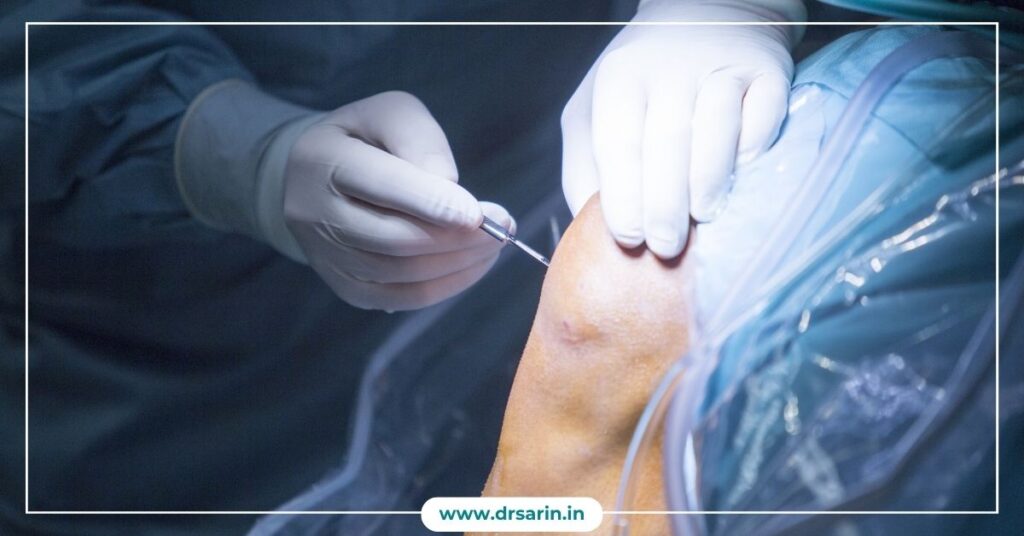
Leg lengthening surgery, a medical procedure that can increase an individual’s height, has become increasingly popular for those seeking to enhance their physical appearance or address medical conditions. However, the age at which one can undergo limb lengthening surgery is a crucial factor to consider. In this article, we will explore the age limits for leg lengthening surgery and the factors that play a role in determining the suitability of this procedure for different age groups. 1. Paediatric Patients: For children and adolescents with congenital conditions or growth plate injuries, limb surgery is typically considered an option. Pediatric orthopaedic surgeons assess the child’s growth potential and bone development before recommending the procedure. 2. Adolescents and Young Adults: In some cases, adolescents and young adults with growth discrepancies or deformities may be candidates for limb lengthening. The decision is often based on the individual’s physical and emotional readiness and the potential benefits of the surgery. 3. Adult Patients: While leg lengthening surgery is more commonly associated with growing individuals, some adults may still be eligible for the procedure. Factors such as bone density, overall health, and the reasons for seeking bone lengthening are carefully evaluated. 4. Age-Related Considerations: Bone Healing: The younger the patient, the better their bones tend to heal and adapt to the lengthening process. In children and adolescents, the bones are more malleable, making the procedure potentially more effective and with fewer complications. Psychological Readiness: For adolescents and adults, the psychological aspect of limb lengthening is a significant consideration. A thorough assessment of the patient’s emotional preparedness is essential. 5. Medical Indications vs. Cosmetic Reasons: Age limits can also vary depending on whether the surgery is being considered for medical reasons (e.g., addressing limb length discrepancies) or purely for cosmetic purposes. Medical indications may justify the procedure at different ages. 6. Consultation with Orthopaedic Specialists: Ultimately, the determination of age limits for leg lengthening surgery should be made in consultation with orthopaedic specialists who can assess the individual’s specific case, bone development, and overall health. 7. Risks and Benefits: It’s important for individuals considering this surgery to understand the potential risks and benefits, as well as the limitations of the procedure. The decision should be based on a thorough evaluation of individual circumstances. In conclusion, the age limits for limb surgery are not set in stone and can vary depending on the specific circumstances of each patient. Dr. Sarin and his team are dedicated to providing personalized care and expert guidance to patients considering limb lengthening surgery, ensuring the procedure is safe and effective. By consulting with Dr. Sarin, individuals can make informed decisions about the right time for their limb-lengthening journey, achieving the physical transformation and confidence they desire. Also Read: External Methods vs. Internal Methods of Cosmetic Leg Lengthening Should Limb Lengthening Surgery be left or Continued? Height Increase Surgery: Purpose, Procedure, and Benefits and Side Effects 5 Common Questions About Limb Lengthening What is Quadrilateral Lengthening?
Can You Do Sports after Limb Lengthening Surgery?

Limb lengthening surgery is a life-changing procedure that often raises questions about physical activity and sports participation during and after recovery. In this article, we’ll explore the factors that determine when and how individuals can safely return to sports following the surgery. Understanding Surgery This surgery is a specialized procedure designed to increase the length of bones, typically in the legs. Whether it’s for medical reasons, such as correcting limb length discrepancies or aesthetic purposes, the surgery involves gradually extending bones through a controlled process. As the bones lengthen, patients often wonder about the impact on their ability to participate in sports and physical activities. The Timing Matters One of the key factors in determining when you can resume sports after limb surgery is the timing of your return. It’s crucial to follow your surgeon’s advice and allow your body sufficient time to heal. The recovery process includes several stages: Consult with Your Surgeon It’s essential to have open communication with your surgeon throughout the process. They will assess your progress and determine when it’s safe for you to resume sports based on your individual recovery. Factors such as the type of sport you’re interested in, your overall health, and the specific details of your surgery will all influence their recommendations. Physical Conditioning is Key Before returning to sports, patients are advised to engage in conditioning exercises to ensure their bodies are prepared for the demands of physical activity. This step helps reduce the risk of injury and ensures a smoother transition back to sports. Conclusion While limb surgery can be a transformative experience, it’s essential to prioritize your health and safety throughout the recovery process. Resuming sports after limb surgery is possible, but it must be done gradually and under the guidance of your surgeon and physical therapist. Always consult with your medical team to make informed decisions about your return to sports, taking into account your unique circumstances and goals. Also Read: Body Proportions after Limb Lengthening Surgery Optimum Muscle Form and Weight for Limb-Lengthening What are the Long-Term Effects of Bone Lengthening? 9 things to know before you get Leg-Lengthening Surgery Can Height Surgery Help You Get Taller?
Understanding the Phases of Limb Lengthening with Dr. Sarin
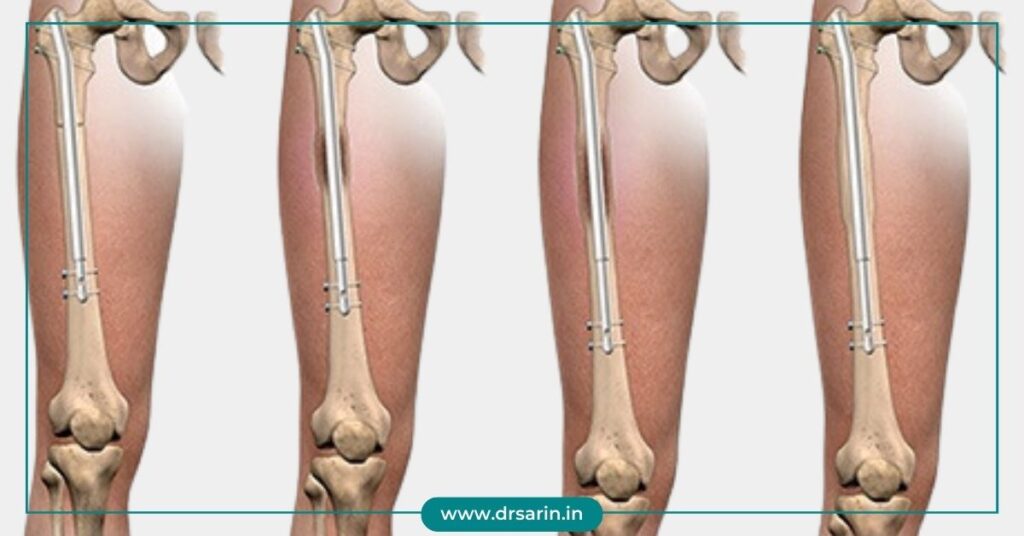
Limb lengthening is a transformative procedure that has evolved significantly over the years, offering new hope and possibilities to those seeking to adjust their stature. Dr. Sarin, a leading expert in orthopedic surgery, has pioneered innovative techniques and approaches in limb lengthening, revolutionizing the field and enhancing patients’ lives. Exploring the Phases of Limb Lengthening Limb lengthening involves a series of carefully orchestrated phases, each crucial in the journey toward achieving the desired increase in height or correcting limb deformities. Dr. Sarin’s approach encompasses these phases to ensure optimal results and patient satisfaction. 1. Pre-Surgical Evaluation Before embarking on the limb-lengthening process, Dr. Sarin conducts a comprehensive assessment. This includes thoroughly examining the patient’s medical history, physical condition, and precise measurements to determine the most suitable approach. 2. Surgical Procedure Under Dr. Sarin’s expertise, the surgical procedure begins with precision and care. Advanced techniques, such as external fixators or internal devices, are employed to make controlled incisions and accurately manage bone adjustments. 3. Lengthening Phase Once the surgical procedure is completed, the lengthening phase commences. This involves gradually separating the bone segments to stimulate new bone growth. Patients work closely with Dr. Sarin and their healthcare team to implement a personalized lengthening schedule, often involving adjustments to the fixators or devices at specific intervals. 4. Consolidation Phase As the desired length is achieved, the consolidation phase begins. This stage focuses on allowing the newly formed bone to solidify and strengthen. Dr. Sarin emphasizes the importance of a tailored rehabilitation program, including physical therapy and regular follow-ups, to facilitate healing. 5. Post-Treatment Care Even after completing the limb lengthening process, Dr. Sarin prioritizes post-treatment care. Follow-up appointments and monitoring ensure the patient’s progress and address potential concerns, promoting long-term success and well-being. Conclusion Dr. Sarin’s dedication to excellence and innovation in limb lengthening surgery has empowered individuals to achieve their desired height goals or correct deformities, enhancing their physical stature and confidence. With a meticulous approach and personalized care throughout the phases, Dr. Sarin has established a legacy of transforming lives through limb lengthening. For those considering limb lengthening, consulting with Dr. Sarin offers a pathway to comprehensive treatment, ensuring a well-informed and supported journey towards achieving their aspirations. Also Read: Bone Healing After Leg Lengthening Surgery Determining Age Limits for Leg Lengthening Surgery External Methods vs. Internal Methods of Cosmetic Leg Lengthening Should Limb Lengthening Surgery be left or Continued? Height Increase Surgery: Purpose, Procedure, and Benefits and Side Effects
Height Increase Surgery: Purpose, Procedure, and Benefits and Side Effects

If you’ve ever dreamt of gaining a few extra inches in height, Height Surgery could be the transformative solution you’ve been seeking. This comprehensive guide will uncover the purpose, procedure, benefits, and potential side effects of a life-changing option for those who wish to stand taller and prouder. The Purpose: It is tailored to address the aspirations and concerns of individuals who seek to enhance their stature. Whether for personal, social, or professional reasons, this innovative surgical procedure can empower you to reach new heights in your personal and professional life. The Procedure: It involves a specialized surgical technique focused on extending the long bones in the legs. This procedure is characterized by its precision, ensuring that each patient’s unique requirements are met, resulting in a natural and harmonious enhancement of their stature. Benefits Of Height Surgery: Side Effects and Considerations: While Height Surgery is considered a safe and effective procedure, it is essential to be aware of potential side effects and considerations, which may include: Before embarking on the journey of Height Increase Surgery, it is essential to consult with a reputable medical practitioner. A thorough discussion about the procedure, anticipated results, and potential risks will help you make an informed decision about your height enhancement goals. In conclusion, it is a remarkable opportunity for individuals who aspire to gain height safely and confidently. This surgical option can elevate your self-assurance, unlock new possibilities, and set you on a more vibrant and fulfilling future. Take the first step toward reaching new heights with Dr Sarin’s. Also Read: 5 Common Questions About Limb Lengthening What is Quadrilateral Lengthening? What is Quadrilateral Lengthening? Prejudice against Limb-Lengthening Surgery Can You Do Sports after Limb Lengthening Surgery?
Can Height Surgery Help You Get Taller?

In a world where confidence and self-assuredness are highly valued, height can play a significant role in one’s self-esteem. For those who have long wished to stand a little taller, also known as height surgery, it presents an intriguing option. Dr. Sarin, a renowned name in the field of orthopedic surgery, offers cutting-edge solutions to help individuals achieve their desired height through advanced limb lengthening procedures. Understanding Limb Lengthening It is a transformative procedure designed to enhance a person’s height. Dr. Sarin employs state-of-the-art techniques that involve carefully breaking and gradually separating the bones in the limbs. Over time, new bone tissue grows to bridge the gap, resulting in increased height. The Process Under the skilled hands of Dr. Sarin, the limb lengthening process is meticulous and precise. Initially, a comprehensive evaluation is conducted to determine the feasibility of the surgery and establish realistic height goals. The procedure typically involves making a small incision and inserting a specialized device that allows for controlled bone separation. Patients then undergo a period of gradual lengthening through the device, allowing bone growth to occur naturally. Benefits of Limb Lengthening Considerations and Recovery While surgery offers remarkable benefits, it’s crucial to understand that the process requires dedication and patience. Post-operative care and physical therapy play a vital role in ensuring a smooth recovery and maximizing the effectiveness of the procedure. Conclusion Dr. Sarin’s expertise in limb lengthening surgery provides a transformative solution for those seeking to gain height and confidence. With a reputation for excellence and a commitment to personalized care, Dr. Sarin and his team offer a pathway to a taller, more confident you. Explore the possibilities and take the first step towards a new perspective on life. Also Read: Limb Lengthening Surgery in 2025 How much Height can be Increased by Surgery Best Diet for Bone Healing After Limb Lengthening How We Help You Return to Work and Sports After Limb Lengthening? How to Lengthen Legs Naturally & Surgically in 2025
External Methods vs. Internal Methods of Cosmetic Leg Lengthening

Cosmetic leg lengthening, also known as limb lengthening, is a surgical procedure designed to increase a person’s height for aesthetic purposes. It’s a choice made by individuals who wish to boost their self-esteem, improve their appearance, or overcome insecurities related to their height. The procedure involves creating controlled fractures in the long bones of the legs and then stimulating the growth of new bone tissue. Two primary methods are employed to achieve this: external and internal methods. In this article, we’ll explore the key differences and considerations between these two approaches. External Methods: External methods of cosmetic height surgery are characterized by the use of an external fixation device, such as the Ilizarov frame or the newer Taylor Spatial Frame. These devices are attached externally to the patient’s legs and are responsible for the gradual distraction of the bone segments, encouraging new bone formation. Here are some of the advantages and disadvantages of external methods: Advantages: Disadvantages: Internal Methods: Internal methods of Limb Lengthening surgery cosmetic involve the insertion of intramedullary nails or rods into the bone. These devices are less conspicuous compared to external frames but come with their own set of pros and cons: Advantages: Disadvantages: In conclusion, the choice between external and internal methods of plastic surgery for height ultimately depends on the patient’s preferences, lifestyle, and the advice of their surgeon. While external methods offer more precise control and are less invasive, they can be uncomfortable and visually conspicuous. Internal methods are less visible and may provide a more comfortable experience but involve a surgical procedure and offer less precise control. It’s crucial for individuals considering cosmetic limb lengthening surgery to consult with a qualified surgeon who can assess their specific needs and goals and recommend the most appropriate method for them. Additionally, patients should be aware of the potential risks and recovery processes associated with these procedures and carefully weigh the benefits against the drawbacks before making a decision. Also Read: Should Limb Lengthening Surgery be left or Continued? Height Increase Surgery: Purpose, Procedure, and Benefits and Side Effects 5 Common Questions About Limb Lengthening What is Quadrilateral Lengthening? What is Quadrilateral Lengthening?
Prejudice against Limb-Lengthening Surgery
In recent years, limb-lengthening surgery has gained attention for its potential to transform lives by addressing height-related insecurities and medical conditions. Yet, there is often unwarranted prejudice and misunderstanding surrounding this procedure. In this article, we aim to shed light on the facts, debunk myths, and introduce you to the expertise of Dr. Sarin. Understanding this surgery This kind of surgery, often called “Limb Surgery” is a medical procedure designed to increase an individual’s height or correct limb length discrepancies. It is not solely for cosmetic purposes; it is a legitimate medical solution for patients with conditions such as limb length inequality, dwarfism, or other orthopaedic issues. Dispelling the Myths Myth 1: This Surgery is Purely Cosmetic Contrary to popular belief, the surgery is not exclusively cosmetic. While some individuals do opt for it for cosmetic reasons, many patients undergo the procedure to improve their overall quality of life, relieve pain, or address physical limitations. Myth 2: It’s a Quick Fix Surgery is a gradual process that requires time and commitment. It involves a series of precise surgical procedures and a controlled distraction phase to promote new bone growth. Dr. Sarin emphasizes the importance of realistic expectations and patience throughout the process. Myth 3: It’s Unsafe Under the care of an experienced and skilled surgeon like Dr. Sarin, the surgery can be a safe and effective solution. Risks and complications are minimized when the procedure is performed by a qualified orthopaedic specialist. Why Choose Dr. Sarin? Dr. Sarin is a highly respected orthopaedic surgeon known for his expertise. Here’s why he stands out: In conclusion, lengthening surgery, often unfairly stigmatized, is a legitimate medical procedure that can offer real benefits to individuals with a variety of needs. Dr. Sarin, with his specialized expertise and patient-centered approach, is a trusted choice for those considering surgery. Don’t let misconceptions hold you back from exploring the potential benefits of this transformative procedure. Also Read: Can You Do Sports after Limb Lengthening Surgery? Body Proportions after Limb Lengthening Surgery Optimum Muscle Form and Weight for Limb-Lengthening What are the Long-Term Effects of Bone Lengthening? 9 things to know before you get Leg-Lengthening Surgery
What is Quadrilateral Lengthening?

Quadrilateral lengthening is a groundbreaking medical procedure that’s transforming lives and restoring mobility for individuals with specific orthopedic conditions. Dr. Sarin, a pioneer in this field, has been at the forefront of innovation, offering hope and a new lease on life for patients facing musculoskeletal challenges. Understanding Quadrilateral Surgery It is a surgical technique designed to address complex issues related to the pelvis and hip. This procedure is typically recommended for patients with conditions such as developmental dysplasia of the hip (DDH), Legg-Calve-Perthes disease, or hip dysplasia. These conditions can cause severe pain, impaired mobility, and even disability, making it essential to explore effective treatment options. How The Surgery Works During a quadrilateral procedure, the hip socket (acetabulum) is surgically repositioned to improve its coverage of the femoral head (the ball of the hip joint). This realignment not only reduces pain but also enhances joint stability and function. Dr. Sarin, with years of experience in height increase surgery and a commitment to excellence, specializes in performing the surgeries with precision and care. His expertise ensures that patients receive the best possible outcome, allowing them to regain their independence and enjoy an improved quality of life. Why Choose Dr. Sarin for this surgery Conclusion This is a transformative medical procedure, and Dr. Sarin’s expertise in this field is nothing short of remarkable. If you or a loved one is dealing with hip-related issues, consider consulting with Dr. Sarin to explore the potential benefits of this surgery. With his skill and dedication, you can look forward to a future with improved mobility and a higher quality of life. Don’t let hip conditions hold you back; take the first step towards a pain-free, active life with Dr. Sarin. Also Read: What is Quadrilateral Lengthening? Prejudice against Limb-Lengthening Surgery Can You Do Sports after Limb Lengthening Surgery? Body Proportions after Limb Lengthening Surgery Optimum Muscle Form and Weight for Limb-Lengthening