Limb lengthening surgery is a highly specialized orthopaedic procedure designed to increase bone length, correct deformities, or address limb length discrepancies. While the surgery has advanced significantly over the years, it is not suitable for everyone. Identifying the right candidate is crucial for safe outcomes, effective healing, and long-term success.
This blog explains who is an ideal candidate for limb lengthening surgery, based on medical criteria, physical readiness, and realistic expectations.
Understanding Limb Lengthening Surgery
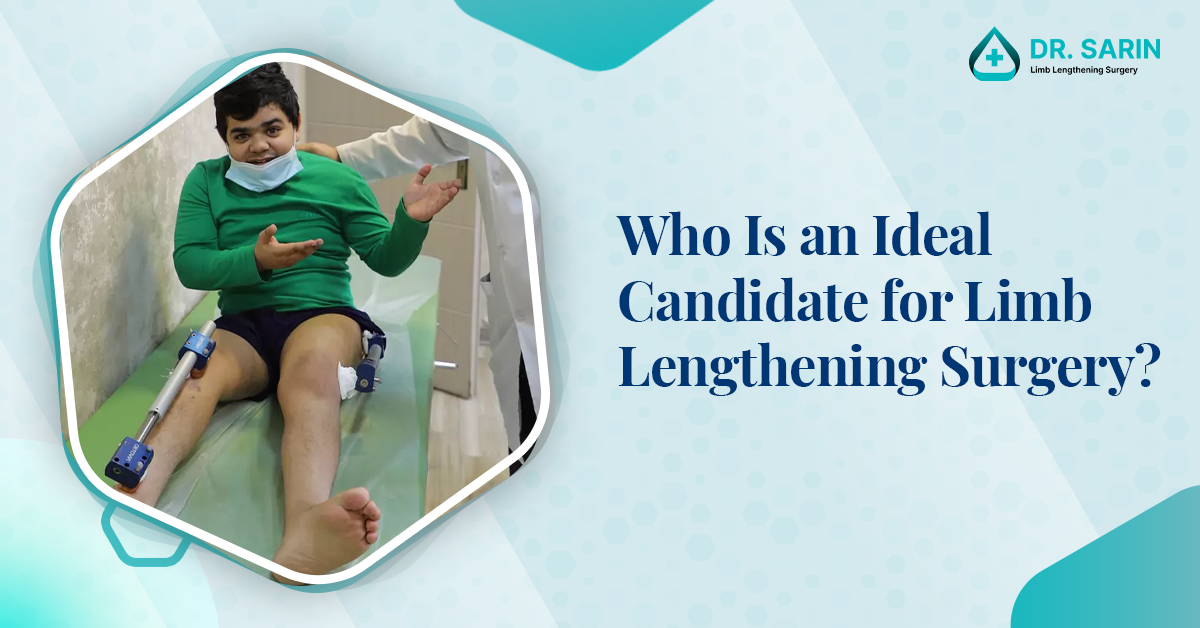
Limb lengthening surgery works on the principle of distraction osteogenesis, where bone is carefully cut and gradually stretched, allowing new bone to regenerate in the gap. Techniques such as Ilizarov, LON (Lengthening Over Nail), and other modern methods are used depending on the patient’s condition.
Because the procedure involves bone regeneration, soft tissue adaptation, and long rehabilitation, candidate selection is critical.
1. Patients with Limb Length Discrepancy
One of the most common and medically justified reasons for limb lengthening surgery is limb length discrepancy (LLD).
Ideal candidates include:
- Patients with one leg or arm shorter than the other
- Discrepancy caused by birth defects, injury, infection, or previous surgery
- Functional issues such as limping, back pain, or posture imbalance
When non-surgical methods like shoe lifts are insufficient, limb lengthening offers a permanent correction.
2. Individuals with Congenital Bone Deformities
Patients born with congenital bone conditions are strong candidates for limb lengthening surgery.
This includes:
- Congenital short bones
- Angular deformities
- Developmental limb abnormalities
In such cases, limb lengthening not only improves length but also restores alignment and function, helping patients lead a more normal and active life.
3. Patients with Short Stature or Dwarfism
Limb lengthening surgery can be an option for individuals with dwarfism or medically diagnosed short stature, especially when height significantly impacts mobility, independence, or quality of life.
Ideal candidates:
- Have completed most of their natural growth
- Are medically stable
- Understand the physical and emotional demands of the process
The surgery is often done in stages and requires careful planning and long-term follow-up.
4. Adults Seeking Height Increase Surgery (With Realistic Expectations)
Some adults consider limb lengthening surgery for height increase, but only those who meet strict medical and psychological criteria are considered suitable.
An ideal candidate must:
- Be physically healthy with good bone quality
- Have realistic expectations about achievable height gain
- Be willing to commit to rehabilitation and follow medical advice
Height increase surgery is not a cosmetic shortcut-it is a complex orthopaedic procedure requiring discipline and patience.
5. Patients with Bone Non-Union or Post-Traumatic Conditions
Limb lengthening surgery is often used in complex trauma cases where:
- Bones fail to heal properly (non-union)
- Significant bone loss has occurred due to injury or infection
Through bone transport and lengthening techniques, limb length and strength can be restored while preserving the natural limb.
6. Age Considerations: Who Falls in the Safe Range?
Age plays an important role in determining candidacy.
Generally suitable age groups:
- Late adolescents (after growth plate closure)
- Adults up to middle age with good bone health
Older patients may still be eligible if they:
- Have good overall health
- Do not suffer from severe osteoporosis or chronic illnesses
Chronological age matters less than bone quality and healing capacity.
7. Good Physical Health Is Essential
An ideal candidate must be medically fit.
Patients should:
- Have no uncontrolled diabetes, severe heart disease, or immune disorders
- Be free from active infections
- Have good nutritional status
Strong muscles, healthy skin, and adequate blood circulation support better recovery and reduce complications.
8. Psychological Readiness and Mental Strength
Limb lengthening surgery is a long journey that requires mental resilience.
Ideal candidates:
- Understand the length of treatment and recovery
- Are emotionally stable and patient
- Can manage temporary discomfort and lifestyle changes
Patients with unrealistic expectations or poor compliance are not ideal candidates, regardless of physical eligibility.
9. Willingness to Commit to Rehabilitation
Rehabilitation is as important as the surgery itself.
Ideal candidates:
- Are committed to daily physiotherapy
- Follow post-operative instructions strictly
- Attend regular follow-up appointments
Without proper rehabilitation, even technically successful surgery may not deliver optimal results.
10. Who Is NOT an Ideal Candidate?
Limb lengthening surgery may not be recommended for individuals who:
Have severe osteoporosis
Suffer from uncontrolled chronic illnesses
Are unable to commit to rehabilitation
Have unrealistic expectations about outcomes
Seek instant results without understanding the process
A thorough evaluation helps avoid unnecessary risks.
How Candidacy Is Determined
Before recommending limb lengthening surgery, specialists conduct:
- Detailed physical examination
- Imaging studies (X-rays, scans)
- Assessment of bone quality and alignment
- Psychological evaluation
- Discussion of goals and expectations
This ensures that surgery is both safe and beneficial for the patient.
Conclusion
An ideal candidate for limb lengthening surgery is someone who:
- Has a genuine medical or functional need
- Is physically healthy with good bone quality
- Is mentally prepared for a long recovery
- Has realistic expectations
- Is committed to rehabilitation and follow-up care
When performed on the right candidate by an experienced orthopaedic surgeon, limb lengthening surgery can significantly improve mobility, symmetry, confidence, and quality of life.
Also Read: